Size range
10x13 Poly Mailers
Ten by thirteen is the size the apparel industry settled on. It takes a folded t-shirt with room to spare, a pair of leggings, a light knit, or a two-item order without straining the seal. That tolerance is the whole reason it dominates: it forgives a rushed fold on a busy afternoon.
It is also the size where standardising pays off most. One SKU means one carton on the bench, one artwork file, one reorder, and packers who never have to decide. For a lot of businesses the small amount of extra film per parcel costs less than the time and error rate of running four sizes.
This page is written for the buyer weighing that decision rather than for someone who already knows they want a 10x13.
From$0.30per unit, indicative — your quotation is priced against your own specification
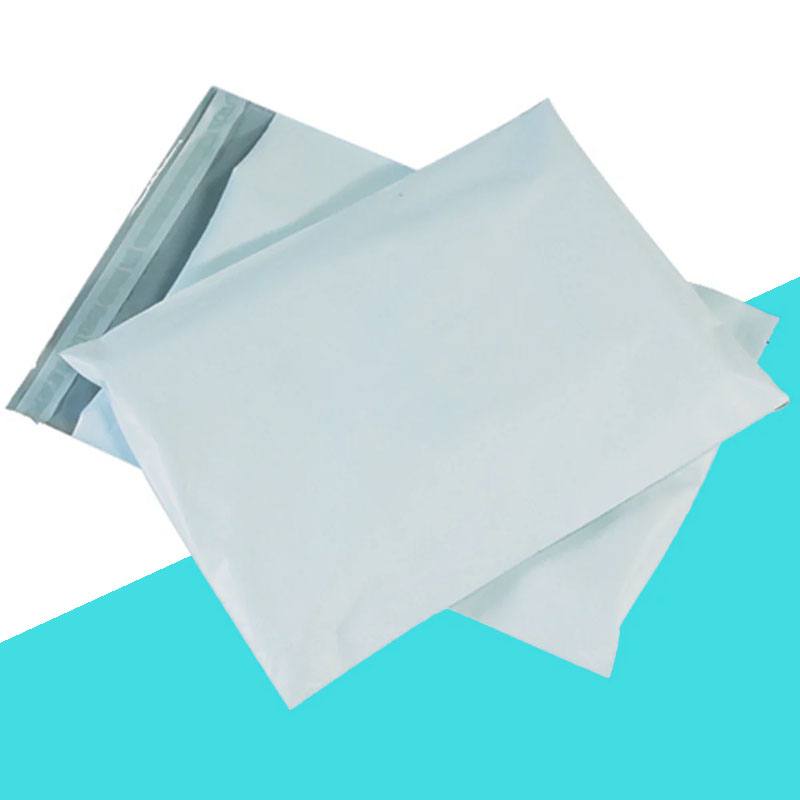
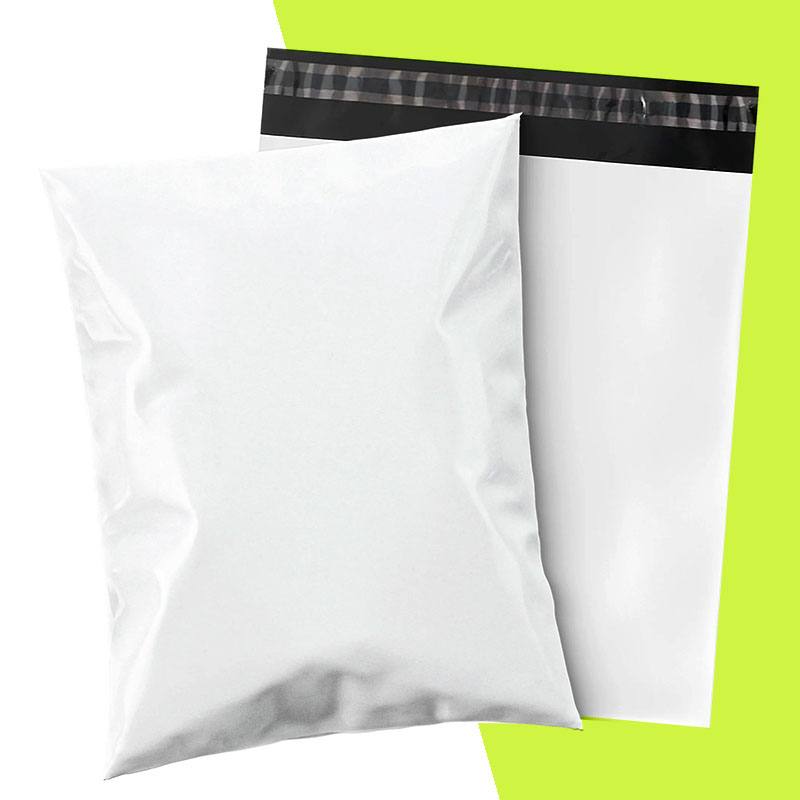
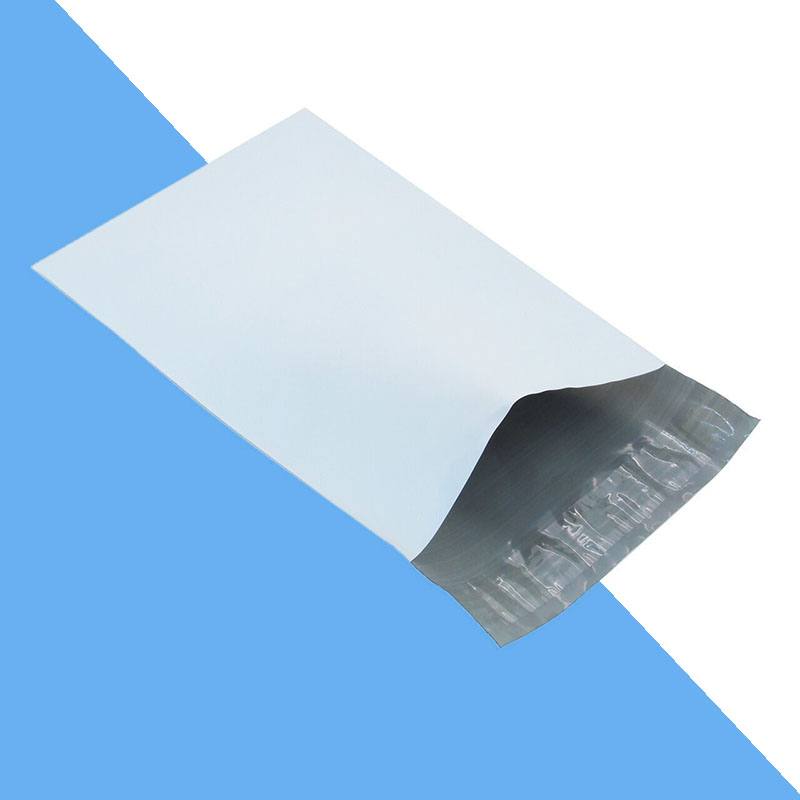
Price 10x13 poly mailers
A short brief is enough to start. We come back with a written specification and a price.
Standardising on one size, or running three
The honest comparison is not between dimensions. It is between two ways of running a packing bench.
| Row label | One size (10x13) | Three sizes |
|---|---|---|
| Material per parcel | Higher on small orders | Matched to each order |
| Decisions at the bench | None | One per order, and packers get it wrong under pressure |
| Artwork and setup | One file, one setup | Three of each, re-proofed on every change |
| Reorder admin | Single line | Three lines, three run-out dates |
| Shelf and bench space | One carton | Three cartons within reach |
| Suits | Ranges where most orders are one or two garments | Ranges spanning accessories to outerwear |
If more than about a fifth of your orders would sit awkwardly in a 10x13 — either lost in it or straining it — the single-size case weakens quickly.
Order types this size handles comfortably
One folded tee, hoodie-weight excepted
A cotton tee sits flat with slack to spare, leaving room for a card and tissue.
Two-item apparel orders
A tee and a pair of socks, or two tees, still close cleanly without the seal working hard.
Light knitwear
A fine-gauge jumper fits; a chunky knit or a padded jacket does not, and pushing it there is a false economy.
Soft home goods
Tea towels, cushion covers, a folded throw of modest weight.
Mixed orders with an insert
The extra room over a 9x12 is exactly what an A5 card, a sticker sheet and a returns slip take up.
What you are choosing between
Everything below is selectable. The specification we build for you is confirmed on the quotation, not implied here.
| Option | Choices | What changes |
|---|---|---|
| Film weight |
| Two-item orders and anything with a zip or a stud benefit from the heavier option. |
| Closure |
| Fashion ranges with high return rates usually justify the second strip. |
| Print coverage |
| Coverage affects price more than the number of colours does. |
| Sides printed |
| The reverse is where returns and disposal wording belongs. |
| Finish |
| Matte is the more common choice for apparel because it photographs without hotspots. |
| Colour |
| Matched colour needs a reference and a proof round before the run. |
Options shown are the choices we can quote against. The exact specification for your order — including film weight, closure and print method — is confirmed in writing on your quotation.
Volume, storage and reordering
Standardising on one size makes forecasting straightforward: parcels shipped equals mailers used. Order to a run rate you can store properly — flat, dry, out of sunlight — rather than to the largest quantity available, because adhesive is the component that ages. Businesses coordinating a first order across several markets will find the practical points in the guide to ordering across markets more useful than a general shipping page.
From enquiry to delivered order
Specification
We agree size, film weight, closure, colour and print coverage, and put all of it in writing.
Artwork and proof
You send artwork, we return a digital proof showing placement and colour, and nothing runs until you approve it.
Production
The run is scheduled against the approved proof. Print, seal and adhesive are checked during the run rather than only at the end.
Packing and count verification
Cartons are counted and labelled, and discrepancies are resolved before dispatch.
Dispatch to your address
Shipping arrangements and timing are confirmed with you for your market at the point of order.
Questions about 10x13 poly mailers
Why is 10x13 the most common poly mailer size?
Because it absorbs variation. A folded garment, a two-item order and a garment plus an insert all fit without a packer having to think about it. That tolerance is worth more to most operations than the film saved by a tighter size.
Will a hoodie fit in a 10x13?
A thin, unlined hoodie folded tightly will go in, but it fills the bag and the seal takes the strain. Fleece-lined or oversized hoodies need a larger size — 12x15 upward is the usual answer.
Should I print the front or the back?
If your shipping label goes on the front, put your design on the reverse or design a deliberate clear zone for the label. A centred front design without a label plan gets covered on a high proportion of parcels.
Can I order this size unprinted while artwork is finalised?
Yes, and it is a common sequence. Businesses often run blank stock while a design is being settled, then switch to printed on the next order once the artwork is approved.
Is a cushioned version of this size available?
Yes, as a bubble-lined equivalent. Note that the outer dimensions grow for the same usable interior, so quote both together if you need to compare parcel sizes.
Quote a 10x13 order
Tell us your monthly volume and whether you want print. We will send a written specification and price, and a sample if you want to test the fit first.