Protection
Self-Seal Poly Mailers
The closure is the part of a mailer that a packing team touches thousands of times a week and the part a customer judges the parcel by. It is also the part most likely to fail, because it is the only join made outside the factory.
Self-seal means a permanent adhesive strip under a peel-off liner: fold, press, done. No tape, no heat, no second consumable. That simplicity is why it became standard, and the variations on it — a second strip, a tear tab, a tamper-evident construction — each solve a different operational problem.
This page is about those choices, not about the bag they sit on.
From$0.30per unit, indicative — your quotation is priced against your own specification
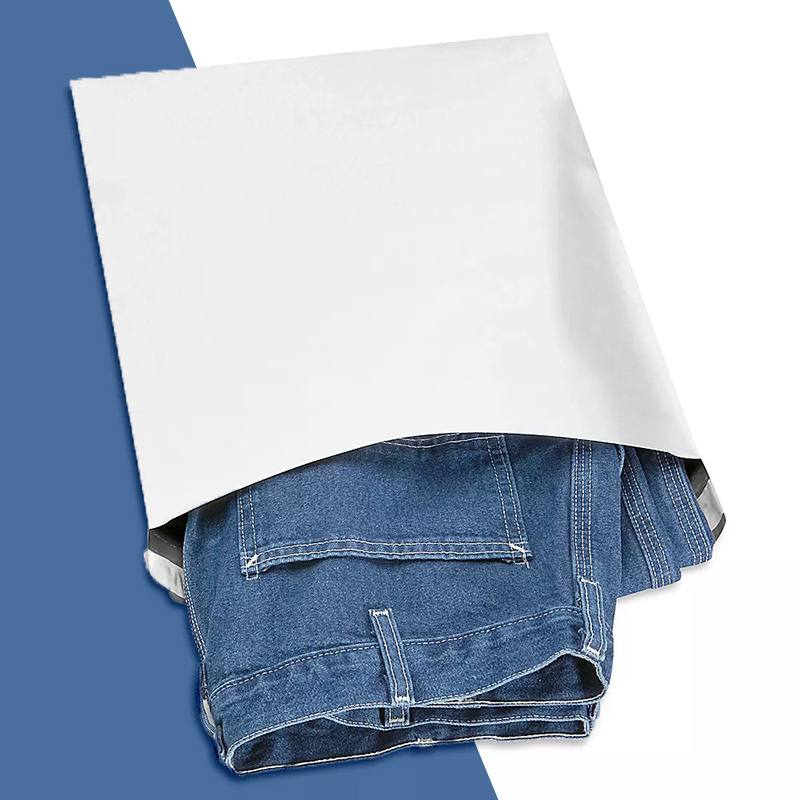
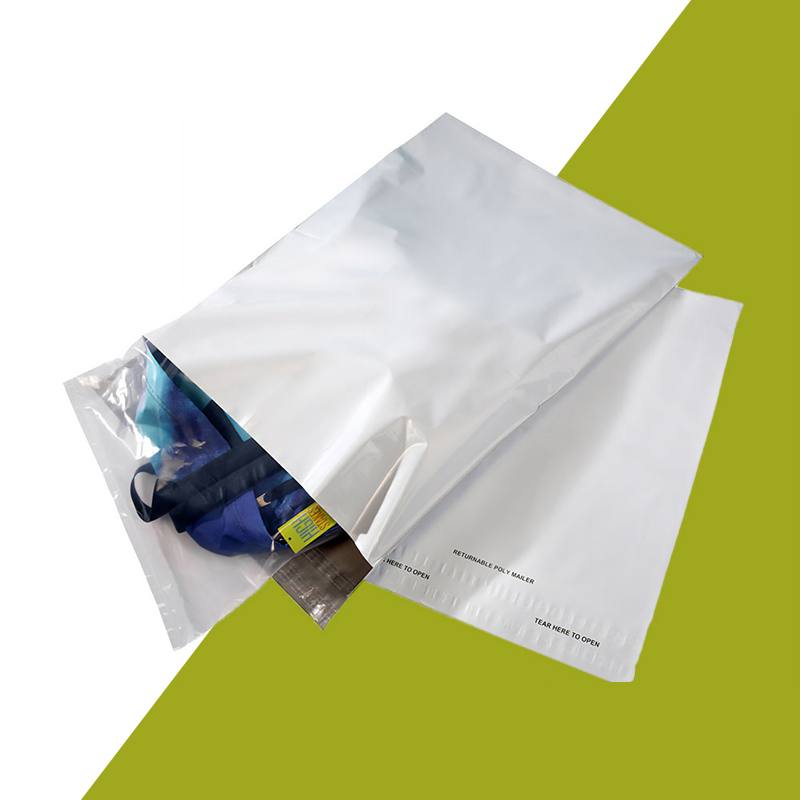
Price self-seal poly mailers
A short brief is enough to start. We come back with a written specification and a price.
The closure options
Four constructions, four different jobs. The right one depends on your return rate and who opens the parcel.
| Closure | What it does | Choose it when |
|---|---|---|
| Single adhesive strip | Seals once, permanently | Returns are rare or handled with a separate bag |
| Double adhesive strip | A second strip lets the recipient reseal the same bag | Return rates are high — fashion, footwear, anything sized |
| Peel strip with tear tab | Guides the recipient to open along a line | The unboxing matters, or a returns strip must survive opening |
| Tamper-evident construction | Shows visible evidence if the bag has been opened | High-value contents, or a documented chain of custody |
What decides whether a seal holds
Almost every failure traces to one of three causes.
The first is contact. Adhesive needs clean film to bond to across the whole strip. If the contents reach the closure, part of the strip is bonded to a garment instead of to the bag, and that part is where it opens.
The second is pressure. The bond forms when the strip is pressed, not when it is folded. A packer who folds and moves on leaves a partial bond that survives the bench and fails in a sorting hub.
The third is age and storage. Adhesive is the component that degrades first, and heat, damp and sunlight accelerate it. Stock rotated properly and stored cool performs; stock left on a sunlit pallet for a year does not.
What the closure choice does to your operation
This is a small specification decision with large operational consequences.
Packing speed
A self-seal strip removes the tape dispenser from the bench, which is worth measurable seconds on every parcel at volume.
Returns cost
A double strip means a return needs no new packaging. Across a high-return category that is a consumable removed entirely.
Customer experience
A tear tab means no scissors. On gift and subscription ranges the opening is part of what the customer is paying for.
Dispute handling
Tamper-evident closures give you something factual to point at when a customer reports missing contents.
Consumables
No tape means one fewer item to buy, store, run out of and dispose of.
Sealing technique that eliminates most failures
Worth putting on a card at the packing bench. It takes two seconds and removes the majority of seal complaints.
Keep contents below the strip line
Push the load down before folding so the adhesive has a clean run of film to meet.
Remove the liner in one movement
A liner torn in stages leaves fragments stuck to the adhesive, and those spots never bond.
Fold, then press along the whole length
Run a thumb from one end to the other. Pressing only the middle is the most common bench error.
Check the ends
Seals open from the corners first, so give both ends an extra press.
Label after sealing, on a flat area
Applying a label across the sealed flap lifts at the edges and can pull the seal open.
Closure specification
Confirmed on your quotation alongside the rest of the specification.
| Option | Choices | What changes |
|---|---|---|
| Strips |
| The second strip costs a little per unit and removes a returns consumable entirely. |
| Opening feature |
| A printed line tells the recipient where to open so a returns strip stays usable. |
| Tamper evidence |
| Worth specifying where contents are high value or disputes are frequent. |
| Liner |
| Liner waste is worth planning for at volume — it is a stream of its own on a busy bench. |
| Flap depth |
| A deeper flap gives more film for the adhesive to meet, which helps on fuller parcels. |
Options shown are the choices we can quote against. The exact specification for your order — including film weight, closure and print method — is confirmed in writing on your quotation.
Closures and returns policy
If you sell in a category where a fifth of orders come back, the closure is part of your returns process rather than a packaging detail. A double-strip mailer with a printed tear line lets a customer open the parcel, repack the item and reseal the original bag with no extra packaging and no instruction sheet. How custom orders and returns are handled on our side is set out in the custom order policy, which covers what applies to made-to-order runs.
Questions about self-seal poly mailers
What does self-seal mean on a poly mailer?
A permanent adhesive strip under a peel-off liner along the flap. You peel the liner, fold the flap and press. No tape, no heat and no second consumable at the bench.
Can a self-seal mailer be resealed for a return?
Only if it was specified with a second adhesive strip. A single-strip mailer seals once. For categories with regular returns the double strip usually pays for itself immediately.
Why do self-seal mailers sometimes come open in transit?
Almost always because the adhesive did not meet clean film across its whole length, or because the strip was folded rather than pressed. Contents reaching the strip line and partial pressing account for most failures we see.
Do self-seal strips have a shelf life?
Adhesive is the component that ages first. Stored cool, dry and out of direct sunlight it stays reliable; stored warm or in daylight it degrades noticeably. Rotate stock so the oldest is used first.
Is a tamper-evident closure worth it?
It is worth specifying where contents are high value or where disputes about missing items are frequent, because it gives you visible evidence rather than an argument. For everyday soft goods it rarely justifies the cost.
Specify a closure
Tell us your return rate and how parcels are opened. We will recommend a closure and quote it with the rest of your specification.