Size range
9x12 Poly Mailers
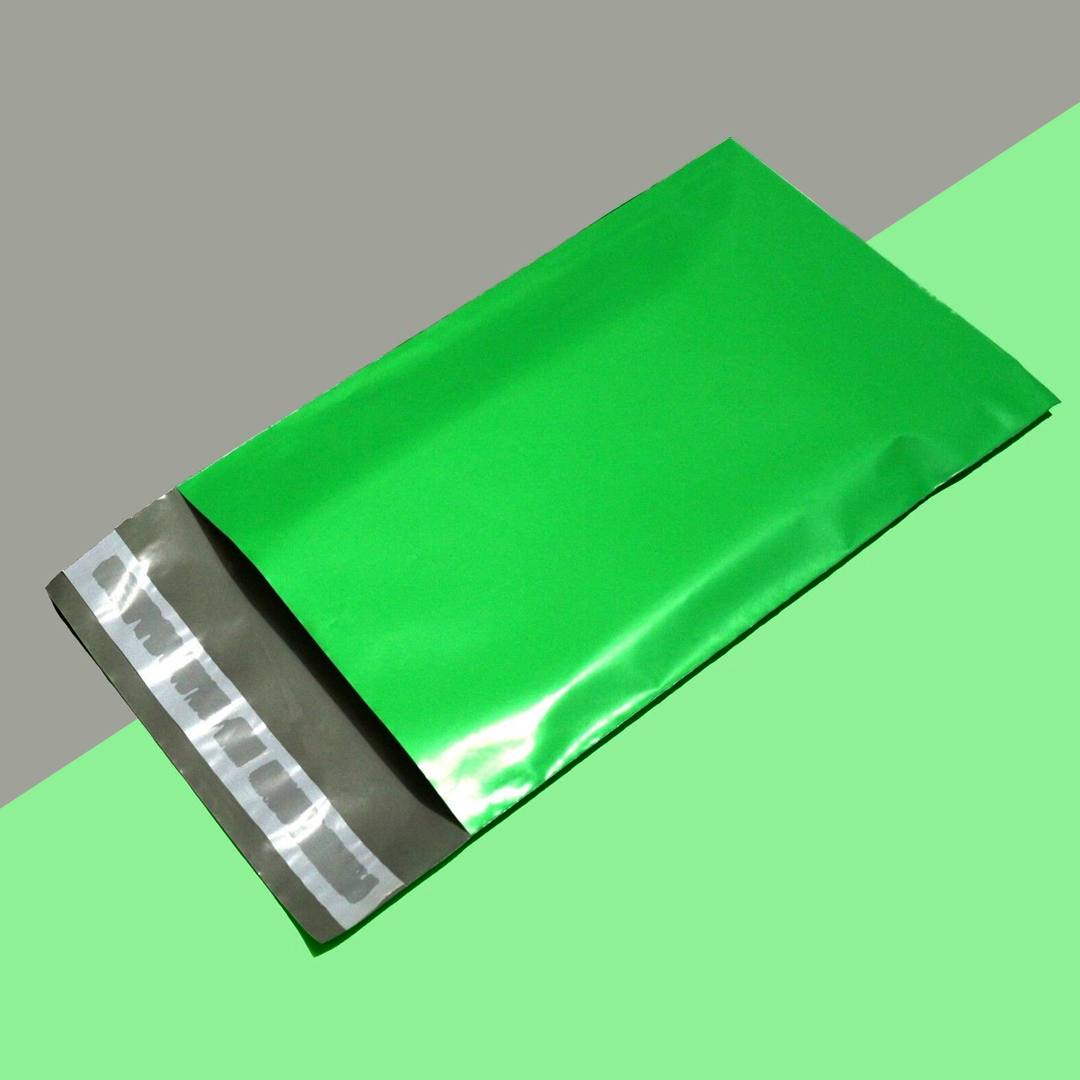
Nine by twelve is the size that turns a mailer from a small-parcel bag into an apparel bag. One folded t-shirt, one pair of leggings, a swim set, a book with its jacket protected: this is the size that holds a single item without leaving it swimming in film.
It sits in an awkward spot commercially, because 10x13 gets more searches and more shelf space. That popularity is not always deserved. If your average order is genuinely one thin garment, 9x12 wastes less material per parcel and stacks more tightly in a shipping carton, and those two things compound across thousands of orders.
From$0.30per unit, indicative — your quotation is priced against your own specification
Price 9x12 poly mailers
A short brief is enough to start. We come back with a written specification and a price.
Where this size earns its place
Single items, packed once, sealed once.
The argument for 9x12 is efficiency. A single folded garment needs enough room to sit flat and enough slack at the top for the adhesive strip to fold over onto film rather than onto the contents. Nine by twelve gives you that and very little more.
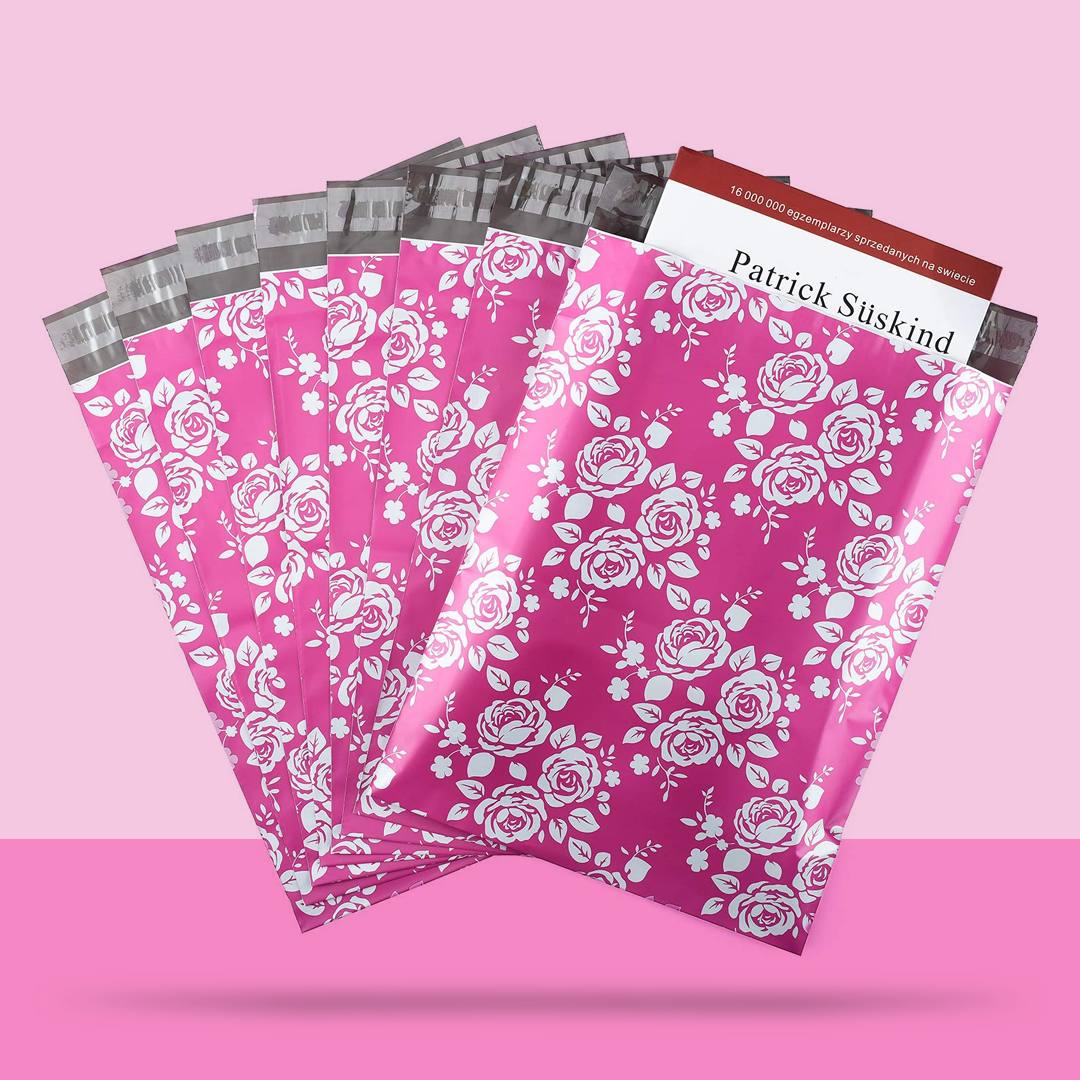
For book and print sellers the case is different again. A paperback or a mounted print needs a bag that does not let it slide and bend in transit. A closer fit does more for arrival condition than a heavier film does.
The place it stops working is bulk. Two garments, a knitted item, or a garment plus a substantial insert will all close, but they leave the seal doing work it was not designed for. That is the point to move up.
Checking the fit before you commit to a run
Ten minutes with a sample saves a warehouse full of the wrong size. This is the sequence we suggest.
Pack your heaviest realistic order
Not your lightest. Take the version of your order that includes the insert, the tissue and the returns label.
Fold the way your packers actually fold
Bench folding under time pressure is looser than the fold you do at a desk. Use the real one.
Seal it and check the strip
The adhesive should meet clean film across its whole length. If it lands on a ridge of contents anywhere, the size is too tight.
Drop it from bench height
Once, flat, onto a hard floor. A seal that opens on a single drop will open in a sorting hub.
Weigh the packed parcel
Check it against the shipping bands you buy on, because a size change can move you across a threshold in either direction.
Specification choices
These are the variables we quote against. Nothing here is fixed until it is written on your quotation.
| Option | Choices | What changes |
|---|---|---|
| Film weight |
| Heavier film is worth quoting if your contents include anything with a corner or a zip. |
| Closure |
| A second strip lets a customer reseal the same bag to send an item back. |
| Opacity |
| Higher opacity matters when the contents are dark and the mailer is pale. |
| The reverse of this size is large enough for care wording or a returns note. | |
| Colour |
| Matched colour is quoted against a physical or digital reference you provide. |
Options shown are the choices we can quote against. The exact specification for your order — including film weight, closure and print method — is confirmed in writing on your quotation.
Print coverage on a mid-size panel
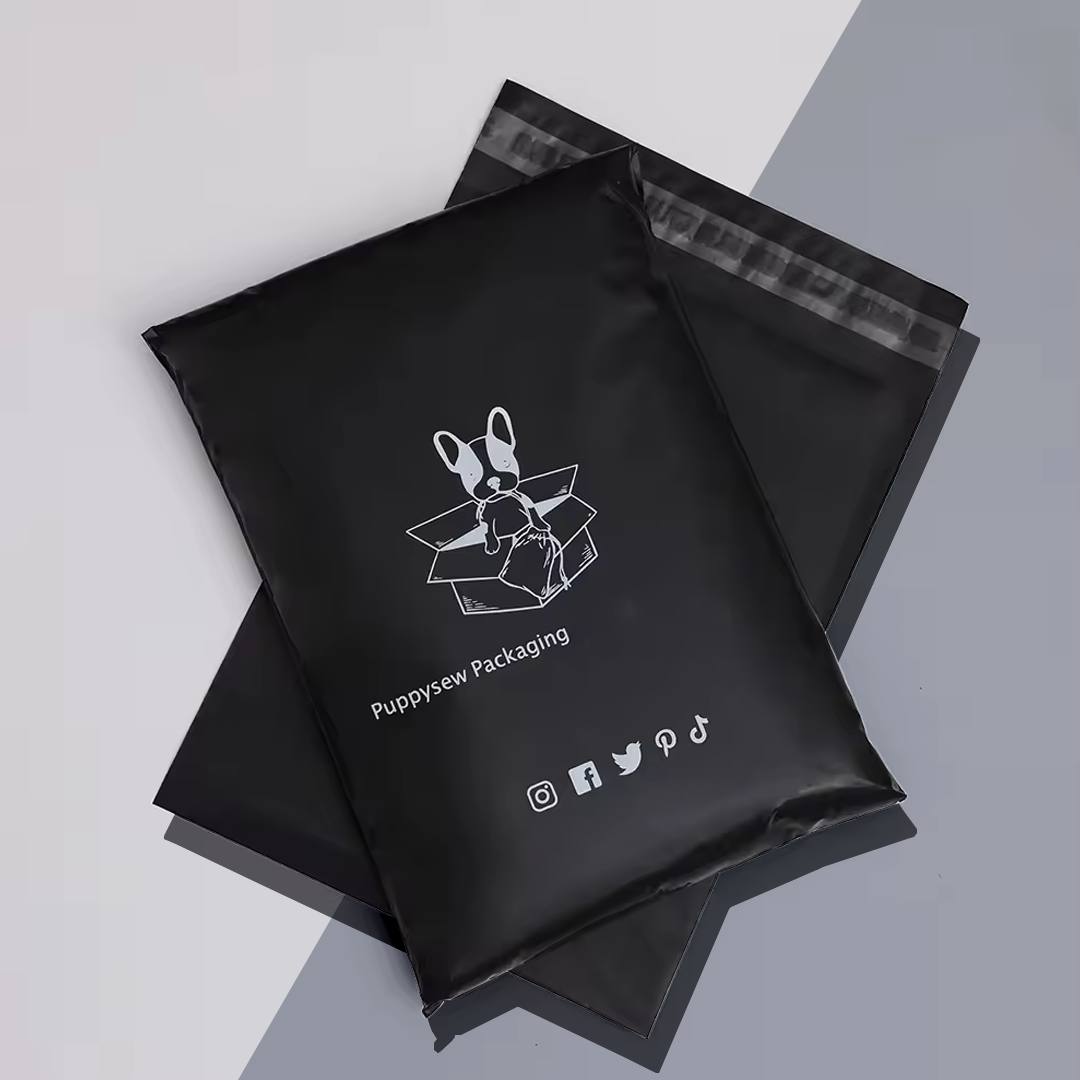
This is the smallest size where two-sided print earns its cost. The front carries the mark, the reverse carries the things customers actually read at the doorstep — how to return, how to recycle the bag in their area, where to find you. Coverage choice changes the price more than most buyers expect, and the trade-offs between spot colour, full coverage and single-side print are set out in the breakdown of print methods and coverage, which is worth reading before you finalise artwork.
Mistakes we see on this size
Ordering it for a mixed range
If half your orders are two items, half your parcels will be strained. Split the order across two sizes instead.
Printing to the very edge without a bleed allowance
Film moves on press. Artwork needs bleed, or you get a white sliver on one side of the run.
Placing the logo where the label goes
Work out where your shipping label lands before you position artwork, or you will cover the mark you paid for.
Assuming the size includes the flap
Conventions differ between suppliers. Confirm which measurement is being quoted rather than comparing two numbers that mean different things.
Checks we run before dispatch
Print is checked against your approved proof for colour and registration at the start, middle and end of the run. Seals are checked along both welds. The adhesive liner is checked for clean release, which is the failure that annoys packers most and shows up least on a photograph.
Counts are verified by carton before the order leaves. If a run cannot meet the approved proof, we stop and talk to you rather than shipping something close enough.
Questions about 9x12 poly mailers
How many t-shirts fit in a 9x12 mailer?
One, folded. Two lightweight tees will physically go in but the bag closes under tension and the seal is the part that gives. If two-item orders are common for you, quote 10x13 alongside this size and compare.
Is 9x12 suitable for shipping books?
For paperbacks and thin hardbacks it works well, and the closer fit stops the book shifting. Books with sharp corners are worth quoting on a heavier film, or on a cushioned mailer if the covers must arrive unmarked.
Can I have a returns strip added?
Yes. A second adhesive strip lets the recipient reseal the same bag. It adds a little cost per unit and is usually worth it for categories with high return rates such as fashion.
Does printing on both sides slow down production?
It adds a stage, so it affects scheduling rather than the per-unit price alone. We confirm the effect on your specific run when we quote, rather than applying a general rule.
Price a 9x12 run
Send us the quantity, the print coverage you want and what goes inside. We will confirm the specification in writing before anything is scheduled.