Colour range
Colored Poly Mailers
This page is for buyers who are not committed to one colour. Either you want a range — a tone per product line, per season or per market — or you want a colour we have not given its own page to, such as blue, green, purple, red or yellow.
The questions that come up are different from single-colour questions. How many tones can run on one order. Whether colours can be matched or only selected from stock. What running several colours does to cost, storage and reordering. Those are what this page answers.
From$0.30per unit, indicative — your quotation is priced against your own specification
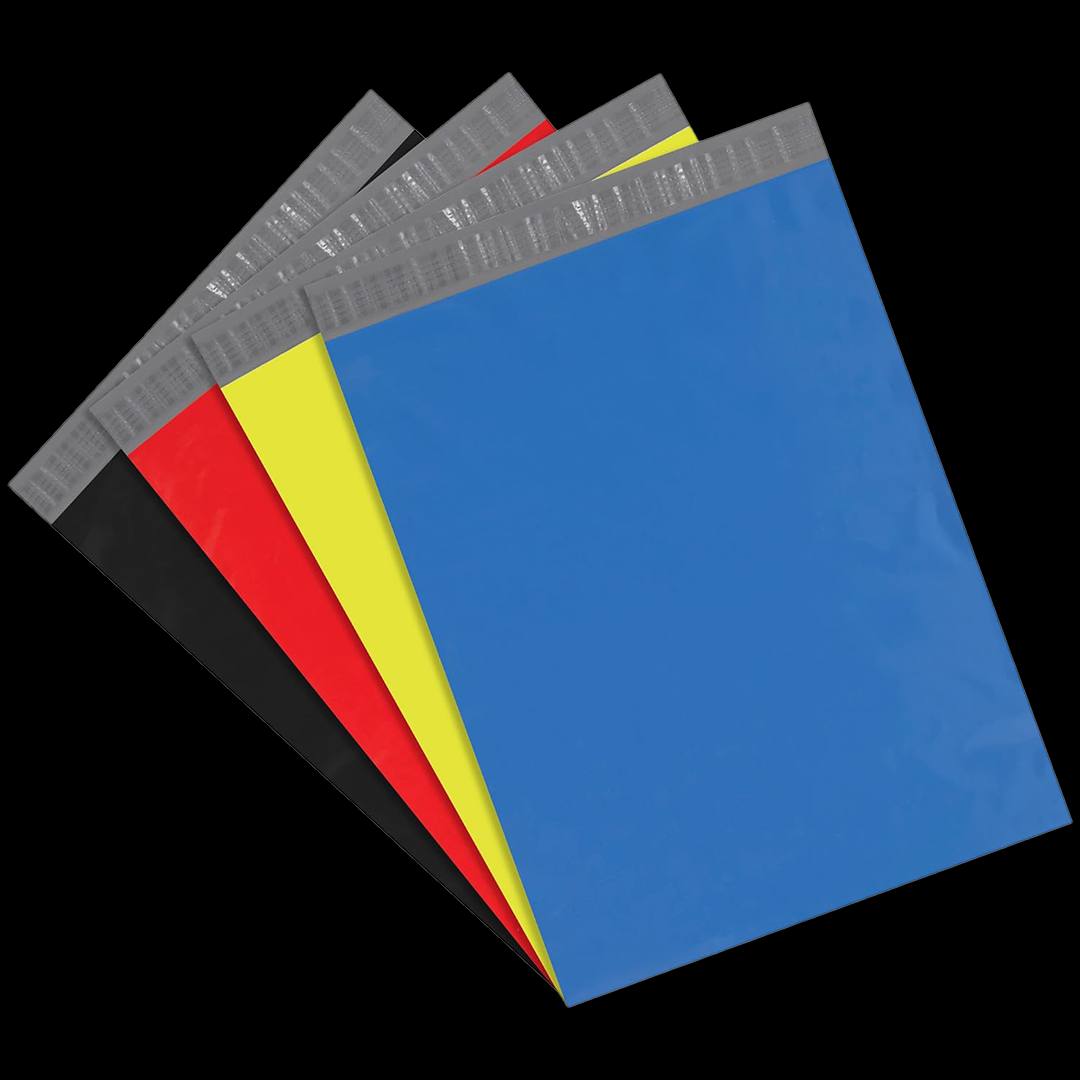
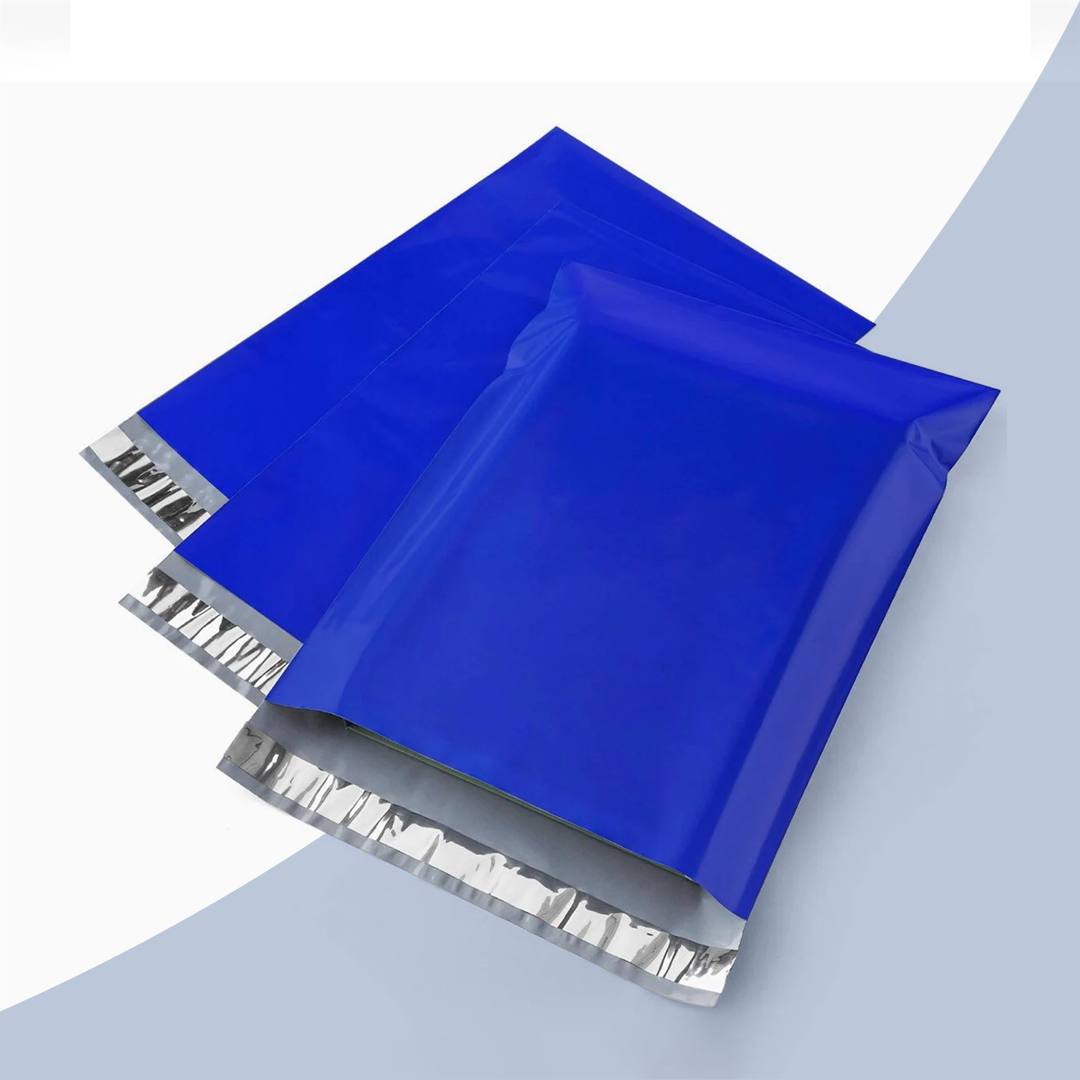
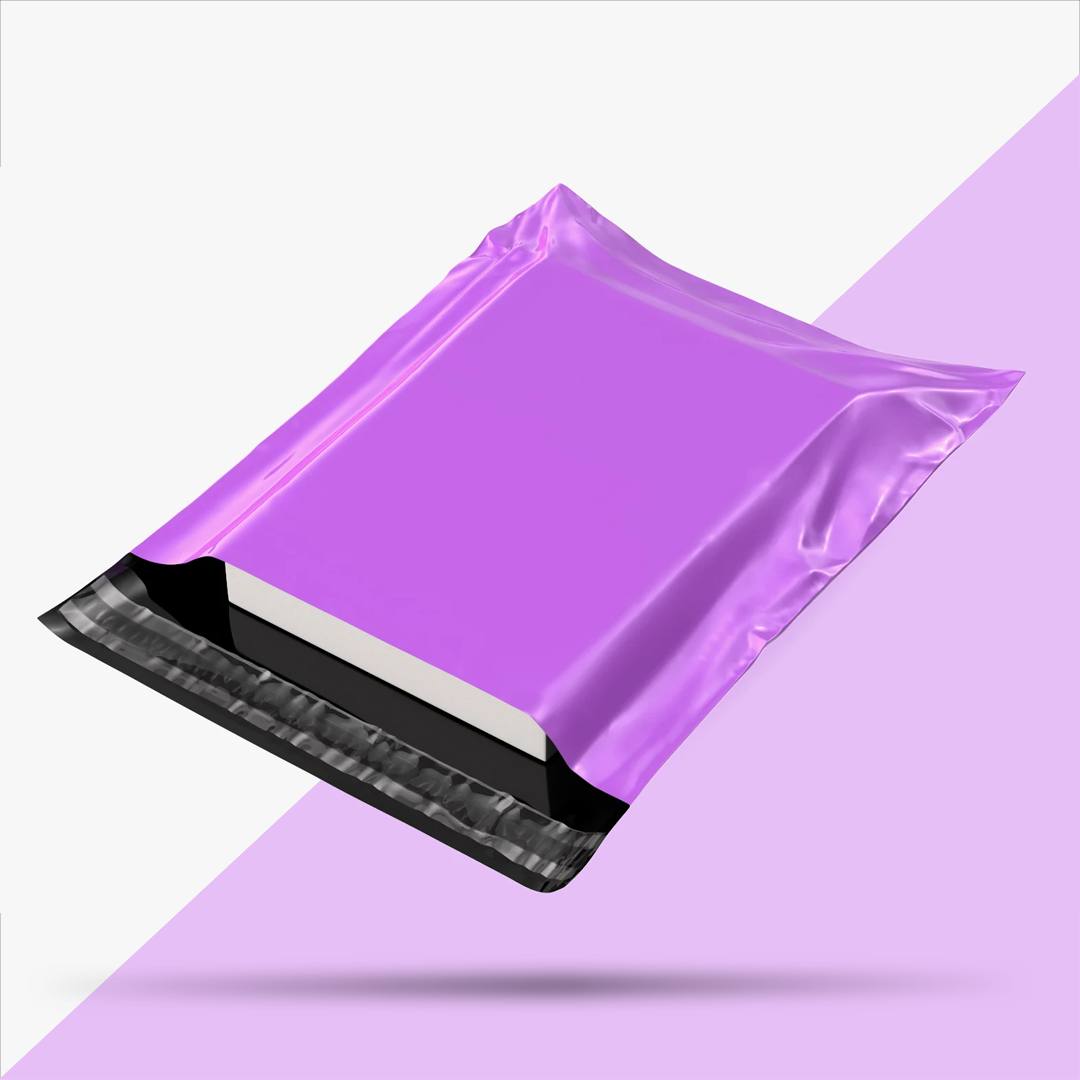
Price colored poly mailers
A short brief is enough to start. We come back with a written specification and a price.
How colour is supplied
There are two routes, and they price and schedule differently.
Stock colours
Tones already produced on the film we quote against. Lower cost, shorter setup, and the tone is what it is — you select rather than specify.
Matched colours
Produced against a reference you supply. Higher setup, a proof round before production, and a tone that sits with the rest of your identity.
Most brands start on a stock colour and move to a matched tone once volume justifies it. There is no need to start with matching.
What running several colours actually costs
The per-unit price is the smallest part of it.
Adding a second colour to an order is usually cheaper than most buyers expect, because where the size, film and artwork match, much of the setup is shared across the colours on that run.
What is not shared is everything after production. Each colour is a separate line to store, a separate carton on the bench, a separate run-out date to track, and a separate decision for a packer to get right under pressure.
That is the real cost of a colour range, and it is why a two-colour range managed properly usually outperforms a five-colour range managed loosely. Decide what each colour is for before you order it.
Choosing a base tone for print
If you plan to print, the base colour narrows your ink options. This table is the short version.
| Base film | Reliable print colours | Avoid |
|---|---|---|
| Royal or navy blue | White, pale grey, metallic silver | Black, dark greens |
| Green | White, black | Yellow, mid greys |
| Purple or violet | White, pale gold | Blue, black at small sizes |
| Red | White, black | Orange, pink, dark brown |
| Yellow | Black, deep navy, dark brown | White, pale pastels |
| Grey or silver | Black, navy, white as a solid | Mid-tone anything |
Where a combination is marginal, we proof it on the actual film and finish rather than approving it on screen.
Specification across the range
The same choices apply whichever tone you select. Everything is confirmed on the quotation.
| Option | Choices | What changes |
|---|---|---|
| Colour route |
| Matching needs a reference and a proof round; stock colours do not. |
| Finish |
| Finish changes the read of a colour as much as the pigment does. |
| Opacity |
| Pale tones need this decision; saturated tones rarely do. |
| Format |
| Colour can carry across both, though matching between formats needs checking. |
| Sizes per order |
| Running sizes together shares setup where the specification matches. |
Options shown are the choices we can quote against. The exact specification for your order — including film weight, closure and print method — is confirmed in writing on your quotation.
Building a colour range without overcomplicating it
Decide what the colour signals
Product line, order type, season or market. If a colour has no job, it is stock you will write off.
Start with two
Two tones give visible variety and stay manageable at the bench. Five is a decision you can make later, from data.
Match sizes across tones
One size in three colours is far simpler to run than three sizes in three colours.
Order colours together
Shared setup on a single order is cheaper than staggered separate orders, and the batches will match each other.
Review after one full cycle
Look at which colour ran out first and which did not move, then reweight the next order.
Colour on cushioned formats
Coloured film is not limited to plain mailers. Bubble-lined formats carry colour too, which lets a range stay visually consistent even when some products need protection and others do not. The construction differences, and what each one protects against, are set out on the bubble-lined mailer page. Matching a tone across two constructions needs a check at proof stage, because the surfaces take colour differently.
Questions about colored poly mailers
What colours are available for poly mailers?
Stock tones typically span white, black, grey, blue, green, red, yellow, purple and the pink range, and matched colours are quoted against a reference you supply. Availability varies by film and by market, so we confirm what is achievable before you order.
How many colours can I order at once?
There is no fixed limit. The practical constraint is your own operation — every colour is another line to store, track and reorder. Most brands find two or three tones is where the benefit stops growing.
Is a coloured mailer more expensive than white?
Coloured film generally carries a small premium over plain white, and a matched colour carries more than a stock one. It is still substantially cheaper than printing, which is why colour is often the first branding step a business takes.
Will two orders of the same colour match each other?
Batches can drift slightly, and it shows more on saturated tones. If a reorder has to sit alongside existing stock, say so at quotation stage so the new batch can be checked against your previous one.
Can I get a colour that is not in the standard range?
Usually, as a matched colour against a reference. We confirm what the film can reach before you commit, and where a tone is not achievable we say so rather than delivering an approximation.
Quote a colour range
Tell us which tones you want and what each one is for. We will quote them together so the setup is shared and the batches match.