Size range
Apparel Shipping Bags
Clothing is the single largest use of poly mailers, and garment fulfilment has its own problems. Products vary enormously in bulk within one range. Return rates are higher than any other category. The parcel is often the first physical thing a customer touches from a brand they bought online.
None of that is solved by picking a size off a list. It is solved by working out which sizes your range actually needs, how your team folds under pressure, and what happens when a fifth of what you send comes back.
This page works through that. If you already know the dimension you want, the individual size pages will get you there faster.
From$0.30per unit, indicative — your quotation is priced against your own specification
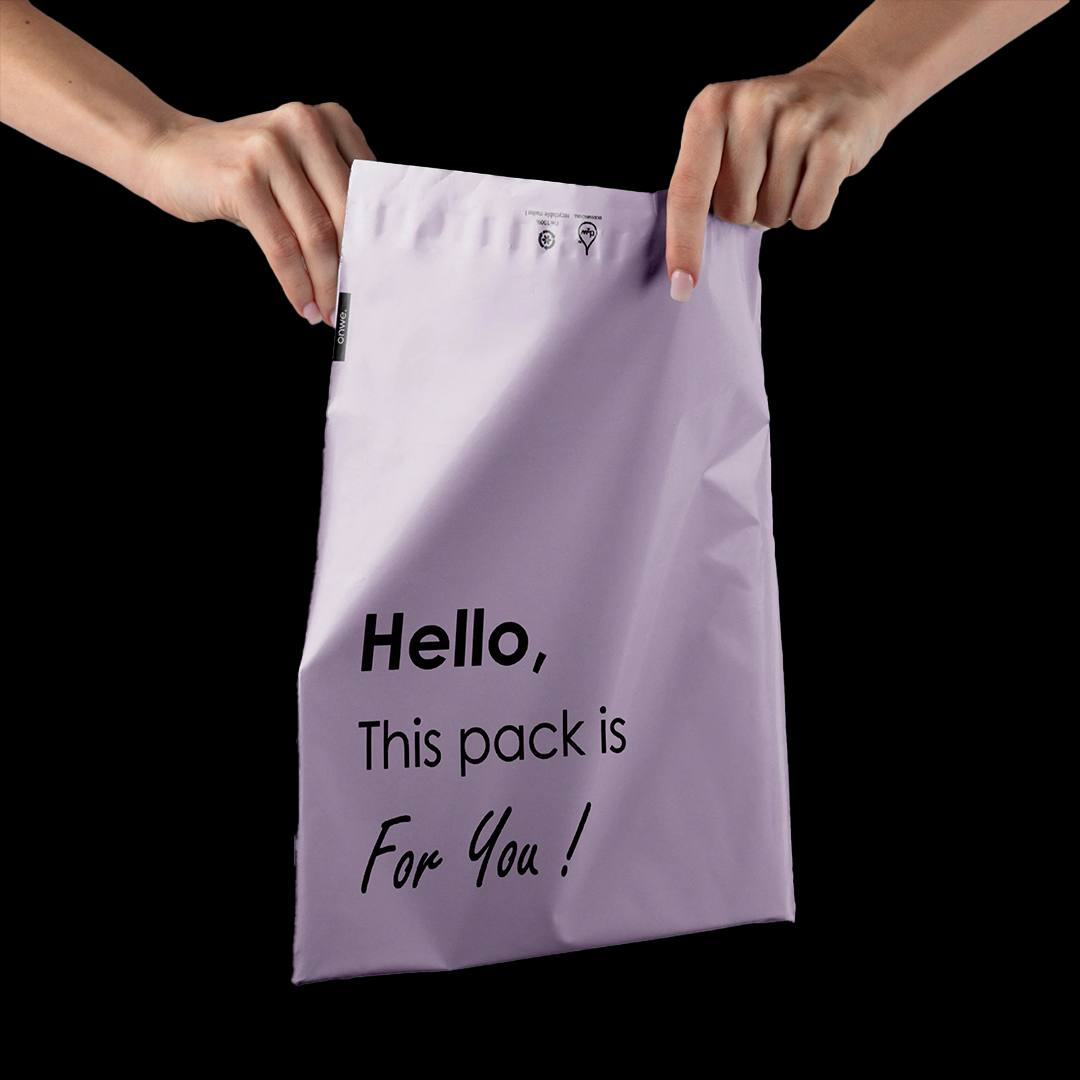
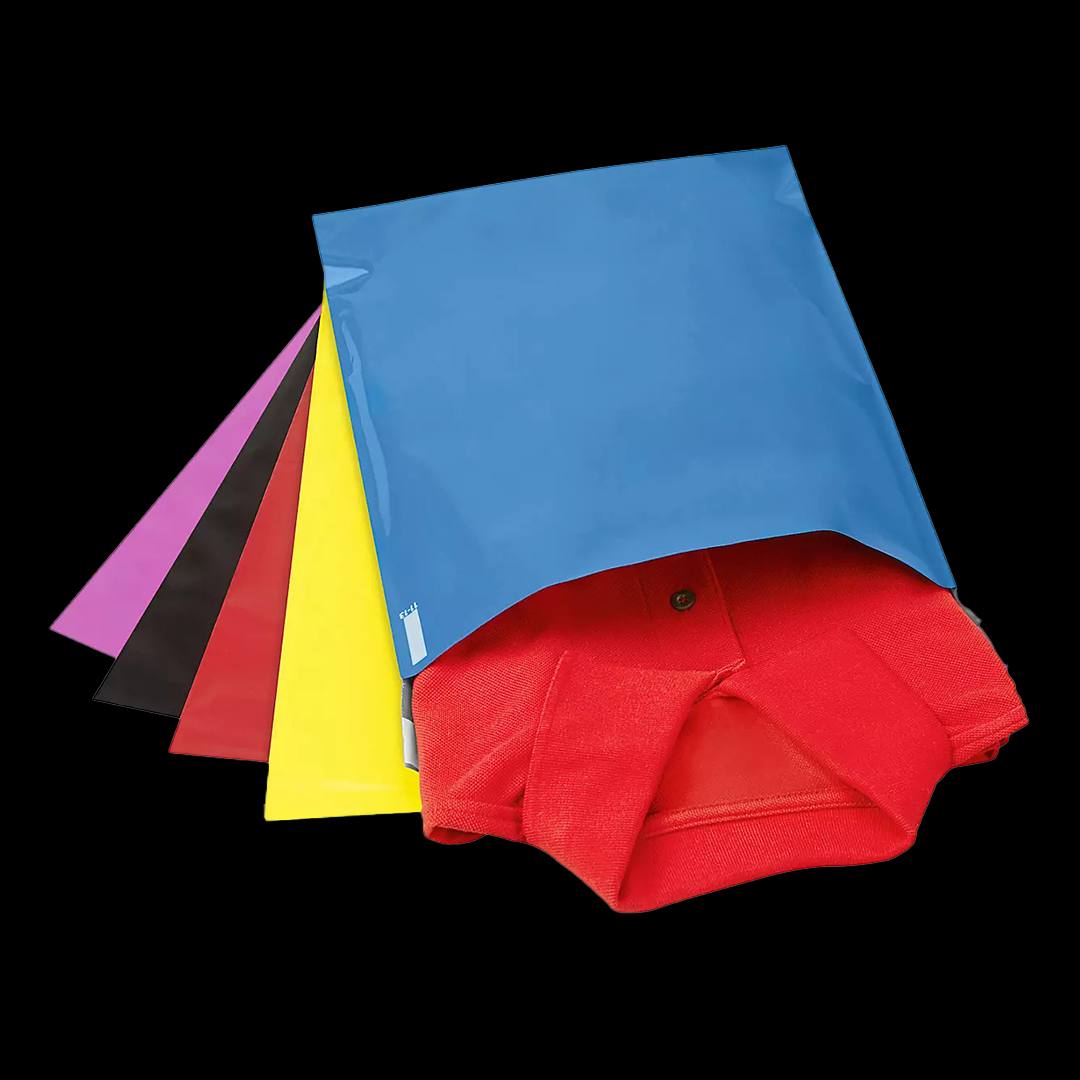

Price apparel shipping bags
A short brief is enough to start. We come back with a written specification and a price.
Sizing by what you sell
Garment bulk varies more within a single range than most buyers expect. This is the starting point, not the answer — your fold and your inserts move it.
| Garment | Start at | Moves up if |
|---|---|---|
| Socks, underwear, accessories | 6x9 | The order routinely includes several pairs |
| T-shirt, vest, light top | 9x12 or 10x13 | You include a card, tissue and a returns slip |
| Leggings, shorts, swimwear | 10x13 | Two-item orders are common |
| Jeans, fine knitwear | 12x15 | The garment is heavyweight or oversized |
| Hoodie, sweatshirt | 14.5x19 | It is fleece-lined or an oversized fit |
| Jacket, coat, multi-garment order | 19x24 | You consolidate several items to one address |
Most apparel operations settle on two or three sizes rather than one. The exception is a range with genuinely uniform bulk, where standardising on a single size is worth the small waste on the lighter items.
The fold is part of the specification
Packaging decisions are usually tested by one person, calmly, at a desk. They are then executed by a team under time pressure, and the fold that person achieved is not the fold the team achieves.
That gap is where sizing goes wrong. A garment folded carefully into a 10x13 fits; the same garment folded at speed does not. The fix is to test with your own packers, at pace, on a normal day — not with your operations manager on a quiet afternoon.
It is also worth writing the fold down. A consistent fold across a team makes parcel size predictable, which in turn makes shipping costs predictable and makes the packed parcels stack instead of sprawl.
What garment shipping demands that other categories do not
Returns as a routine event
Fashion return rates are the highest in retail. A second adhesive strip means the customer returns in the original bag with no extra packaging from you.
Opacity
A dark garment shadowing through a pale mailer looks careless. Specify higher opacity if your range is dark and your packaging is not.
A parcel that will be photographed
Apparel customers post what they receive more than any other category, which makes the outside of the bag part of the product.
Wholesale as well as direct
The same range often ships one item to a customer and forty to a stockist, which needs a second size rather than a compromise on the first.
Size and style identification
Warehouses handling many similar bagged garments need to identify contents without opening. Colour coding or a printed panel solves it cheaply.
Specification for a garment operation
Confirmed in writing on your quotation.
| Option | Choices | What changes |
|---|---|---|
| Sizes |
| Running sizes together shares setup where the specification and artwork match. |
| Closure |
| For apparel the double strip is the default recommendation rather than an upgrade. |
| Opacity |
| Specify higher opacity if you ship dark garments in pale mailers. |
| Film weight |
| Soft goods are forgiving; anything with a zip, stud or buckle is not. |
| The reverse is where returns instructions belong on this category. | |
| Colour |
| Colour is the cheapest recognition available before any printing. |
Options shown are the choices we can quote against. The exact specification for your order — including film weight, closure and print method — is confirmed in writing on your quotation.
Setting up packaging for a garment range
Take your five most-shipped items
Not your whole catalogue. Five products usually cover the majority of your order volume.
Pack each as a real order
With the insert, the tissue and the returns slip. Have the people who pack for you do it.
Group them into two or three sizes
You will usually find they cluster naturally. Resist the urge to cover every case.
Decide the returns route
Double strip, separate returns bag, or customer-supplied. Each has a different cost, and the choice belongs here, not later.
Settle sizes before artwork
Artwork is laid out to a panel. Changing the size after approval means redrawing the file.
Order the sizes together
Shared setup on one order costs less than separate orders and keeps the batches matched.
Presentation inside the shipping bag
Some apparel brands bag the garment before it goes in the mailer, so the piece arrives presented rather than loose. It keeps the garment clean through the warehouse, gives the customer something to unwrap, and leaves them a resealable bag they will actually keep. Whether that second layer is worth its cost is a brand decision rather than a logistics one, and the format is covered on the frosted garment bag page.
Questions about apparel shipping bags
What size shipping bag do I need for a t-shirt?
A folded cotton tee starts at 9x12 and moves to 10x13 once a card, tissue and returns slip go in with it. Test with your own fold at working pace rather than a careful desk fold, because that is the size you will actually need.
How many sizes should an apparel brand stock?
Most settle on two or three. One size means waste on small orders and strain on large ones; four or more means decisions at the bench that packers get wrong under pressure.
Do apparel mailers need a returns strip?
For a category with fashion-level return rates, it is usually worth it immediately. The customer repacks in the same bag, which removes a consumable from your returns process and a step from theirs.
Will dark clothing show through a shipping bag?
Through standard-opacity pale film, often as a grey shadow. If your range is predominantly dark, specify higher opacity or a heavier film weight when requesting a quote.
Can I use the same bags for wholesale and direct orders?
Rarely well. A stockist order of forty pieces and a customer order of one need different sizes and often different presentation. Most brands run a large plain size for wholesale alongside a branded size for direct.
Specify apparel packaging
Send us your five most-shipped products and we will recommend a size mix and quote it, with samples if you want to test the fold first.