Sector
Poly Mailers for Clothing and Apparel
Apparel is the largest single use of poly mailers, and it has a problem no other category has to the same degree: the same brand ships a pair of socks and a padded coat, and both have to arrive looking like they came from the same place.
The second problem is returns. A category with fashion-level return rates is not really running one packaging flow, it is running two — outbound and inbound — and packaging chosen only for the first makes the second more expensive than it needs to be.
Quote packaging for clothing and apparel
Tell us what you ship and how much of it. A recommendation and a written price come back together.
What we would put in front of you
Five products, each with the reason it belongs in this sector rather than a general description.
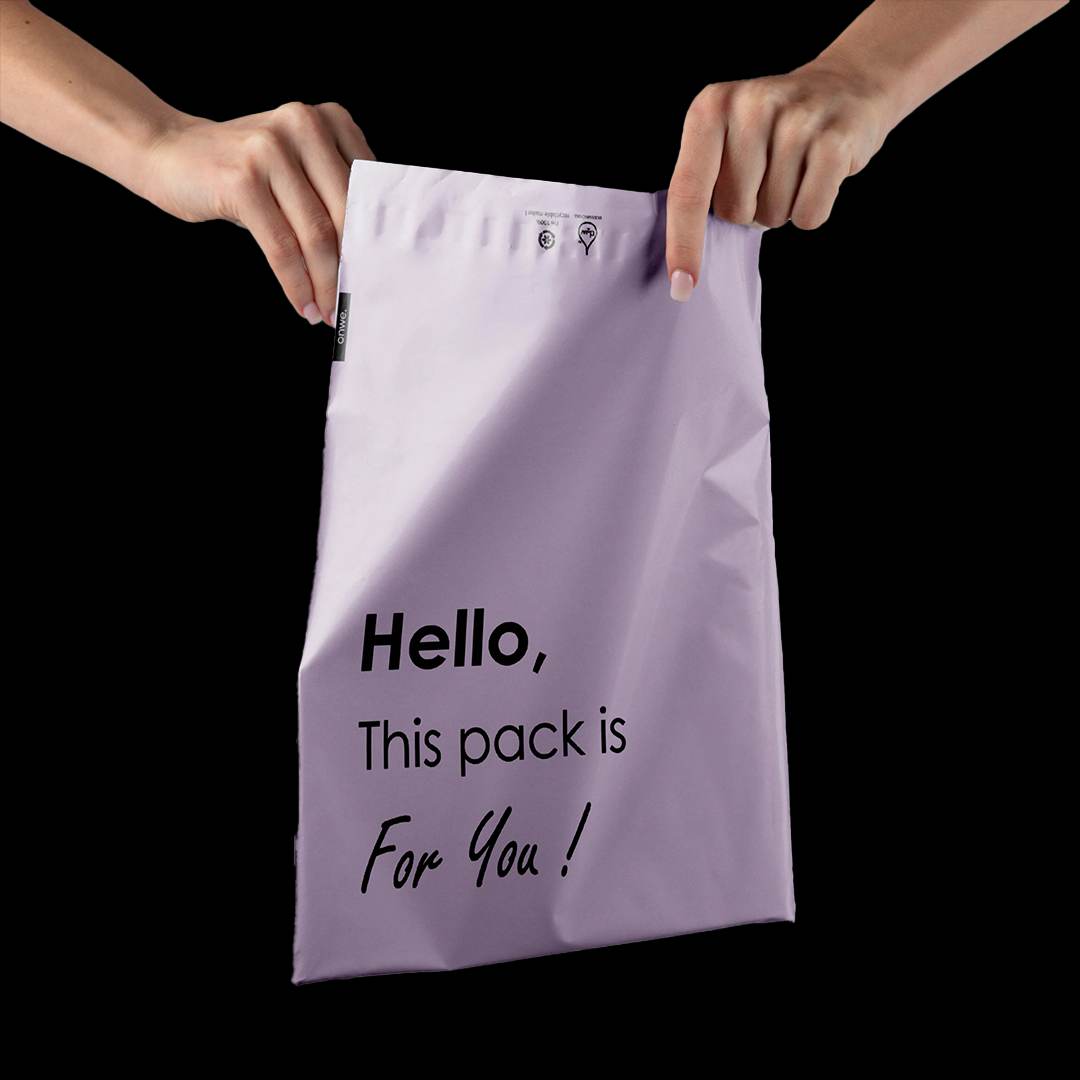
Apparel Shipping Bags
Built around garment fulfilment rather than a dimension.
Read the detail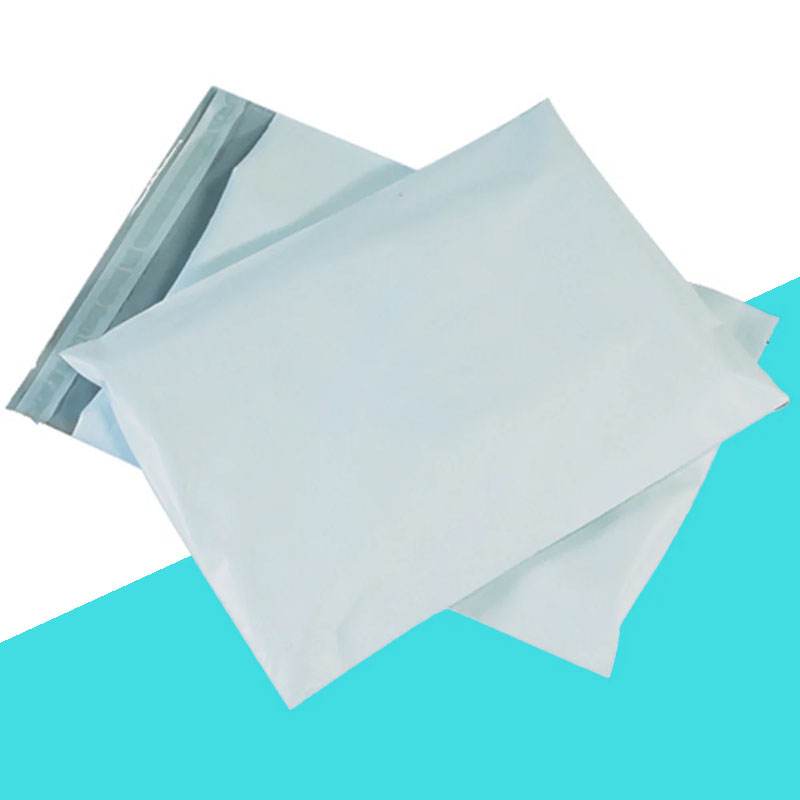
10x13 Poly Mailers
The size most apparel operations build their standard around.
Read the detail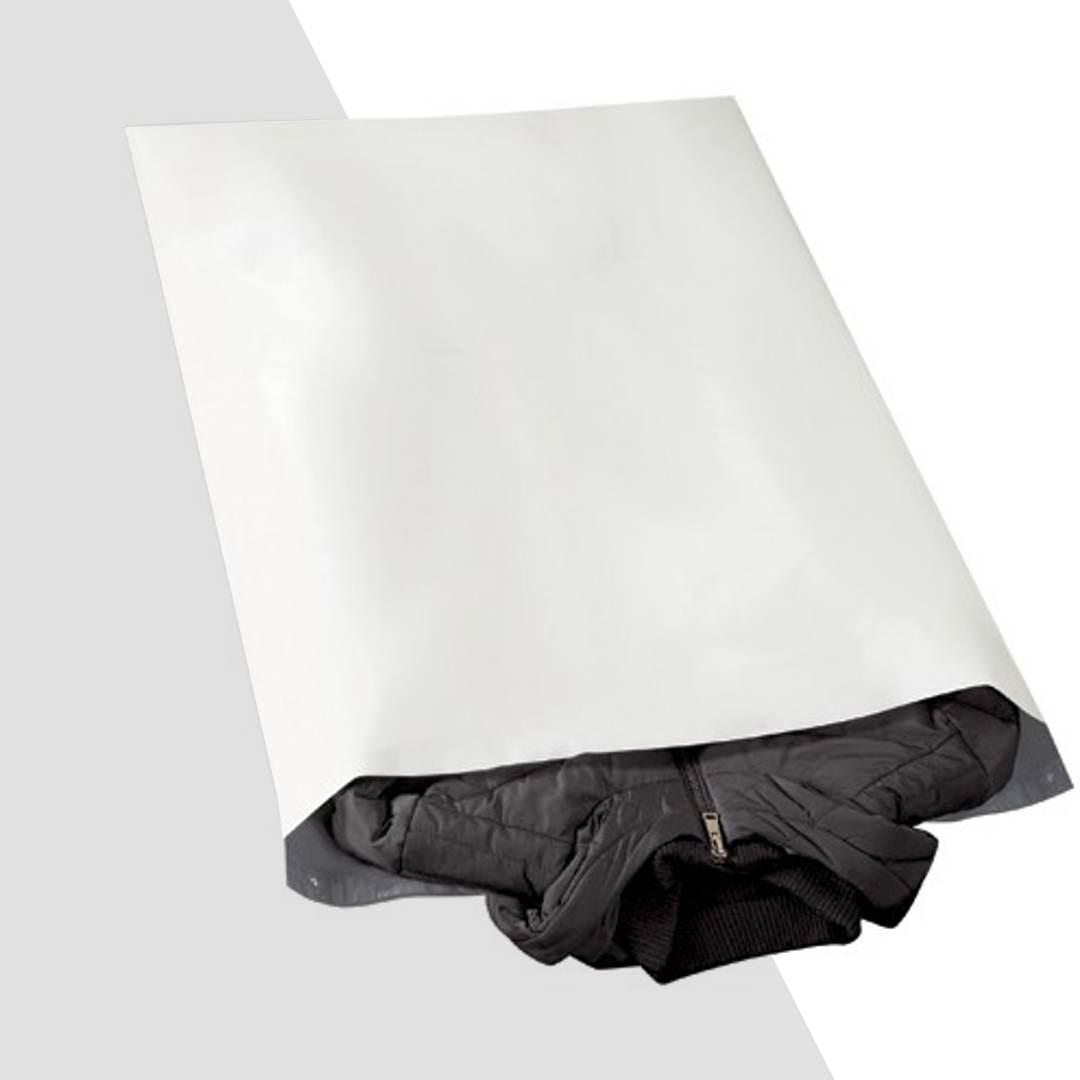
14.5x19 Poly Mailers
Where hoodies and outerwear go without straining a seal.
Read the detail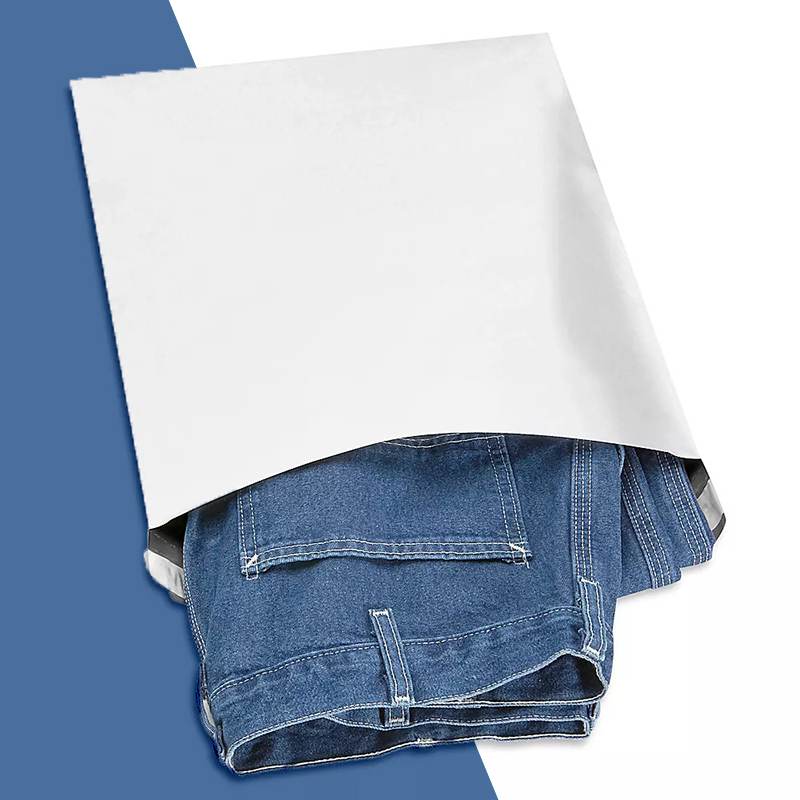
Self-Seal Poly Mailers
The double-strip closure that turns a return into one bag instead of two.
Read the detail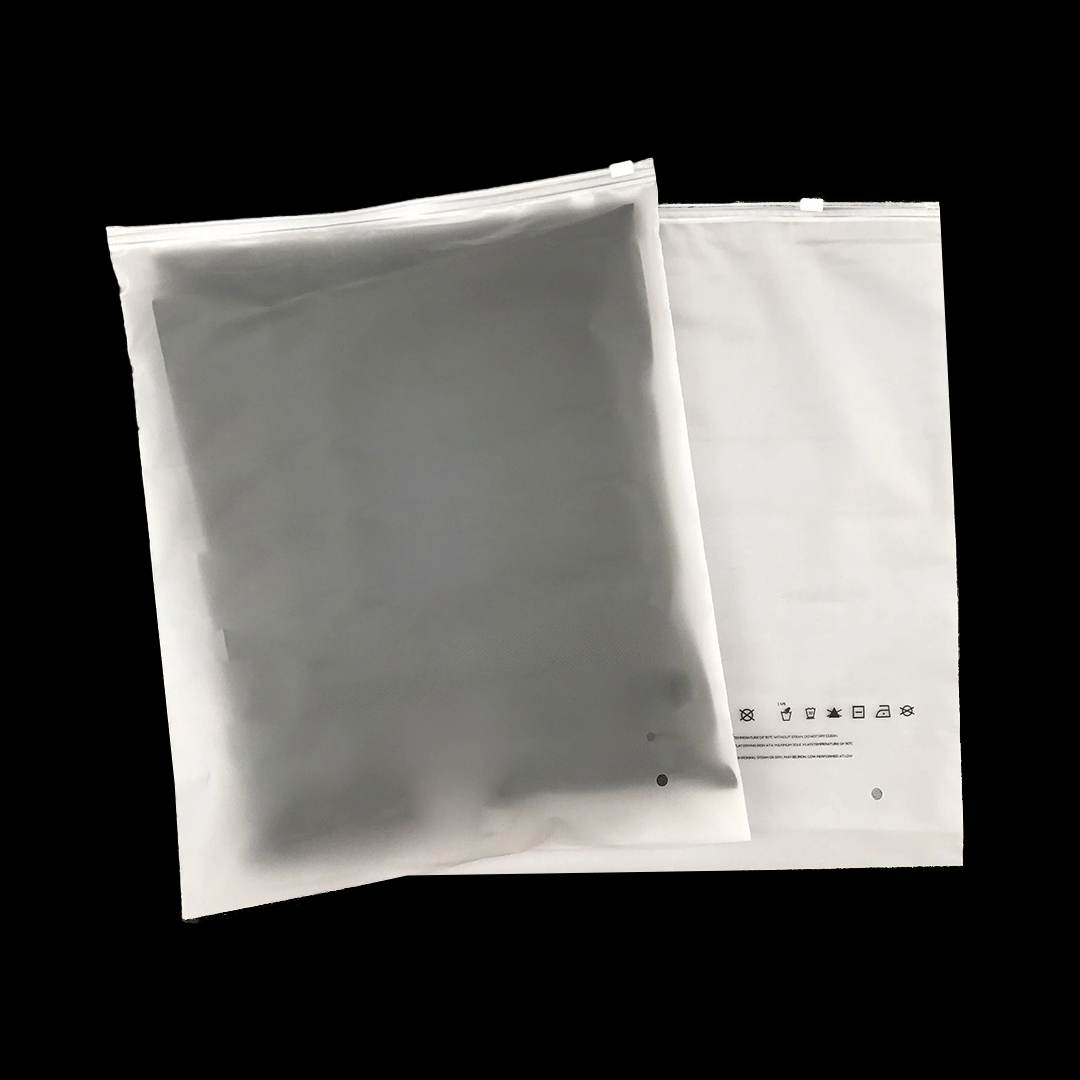
Custom Frosted Poly Bags
Presentation layer for garments that go into retail or arrive as a gift.
Read the detailTwo flows, not one
Outbound is half of what your packaging has to do.
Every packaging decision in apparel should be tested twice: once on the way out and once on the way back. A single-strip mailer works perfectly outbound and forces a customer to find their own packaging for a return, which produces a worse return experience and a second consumable somewhere in the chain.
A double adhesive strip changes that. The customer repacks in the same bag, reseals it and sends it back. It costs a little more per unit and removes a whole step from a process that, in fashion, happens on a meaningful share of orders.
The arithmetic is simple: multiply the extra cost per mailer by your total volume, and compare it against your return rate multiplied by the cost of a returns bag plus the support contacts about how to send something back.
Where apparel packaging goes wrong
Five failures we see repeatedly, all of them avoidable at specification stage.
One size across a range that varies in bulk
Socks in a hoodie bag looks careless; a hoodie in a tee bag bursts. Two or three sizes is almost always the right answer.
Pale film over dark garments
A black hoodie shadowing through a white mailer reads as cheap. Specify higher opacity or use a darker base.
Sizing on a desk fold
The fold your operations manager achieves is not the fold your team achieves at four in the afternoon.
Artwork with no label plan
A centred front design gets covered on a large share of parcels unless a clear zone is designed in.
Treating wholesale and direct the same
One garment to a customer and forty to a stockist are different problems that need different bags.
A size mix that covers a typical range
Start here, then test with your own five most-shipped products before committing.
| Size | Covers | Share of orders it typically handles |
|---|---|---|
| 9x12 or 10x13 | Tees, tops, leggings, swim, accessories | The large majority |
| 12x15 | Knitwear, denim, two to three item orders | A meaningful minority |
| 14.5x19 or larger | Hoodies, outerwear, bundles, wholesale | A small share, but the one that fails without it |
The third row is the one businesses skip, and it is the one that generates damage claims when they do.
Presentation inside the parcel
Some brands bag the garment before it goes in the mailer, so the piece arrives folded, clean and presented rather than loose. It also gives the customer something to unwrap and leaves them a resealable bag they will keep. Whether that second layer earns its cost is a brand decision rather than a logistics one, and the format is covered on the frosted garment bag page.
Questions from clothing and apparel buyers
What size mailer do apparel brands use most?
Ten by thirteen, because it absorbs variation — a folded tee, a two-item order or a garment plus an insert all fit without a packer having to think. Most brands add a larger size for knitwear and outerwear rather than trying to cover everything with one.
Should apparel mailers have a returns strip?
For most clothing brands, yes. Fashion return rates are the highest in retail, and a second adhesive strip means the customer sends the item back in the same bag rather than finding their own packaging.
How do I stop dark clothing showing through the bag?
Specify higher opacity or a heavier film weight, or move to a darker base colour. Black film is fully opaque whatever is inside, which is one reason so many apparel brands use it.
Do I need different packaging for wholesale orders?
Usually. A stockist order of forty pieces needs a large plain bag; a customer order of one needs a branded bag sized to a garment. Most brands run both rather than compromising on a single size.
Specify packaging for a clothing range
Send us your five most-shipped products and your return rate. We will propose a size mix and a closure, and quote the lot.