Poly mailers
Economy Poly Mailers
Every specification decision on a mailer is a trade. An economy specification makes those trades in the direction of cost, and it is the right call for a lot of operations — high volume, light contents, low return rates, no brand requirement on the outer bag.
It is the wrong call when the saving is smaller than the cost of a single failed parcel. A mailer that splits generates a replacement order, a refund, a support conversation and a customer who tells other people. At most price points that arithmetic breaks quickly.
This page sets out where the saving is genuinely free and where it is not, so the decision is made on the numbers rather than on the unit price alone.
From$0.30per unit, indicative — your quotation is priced against your own specification
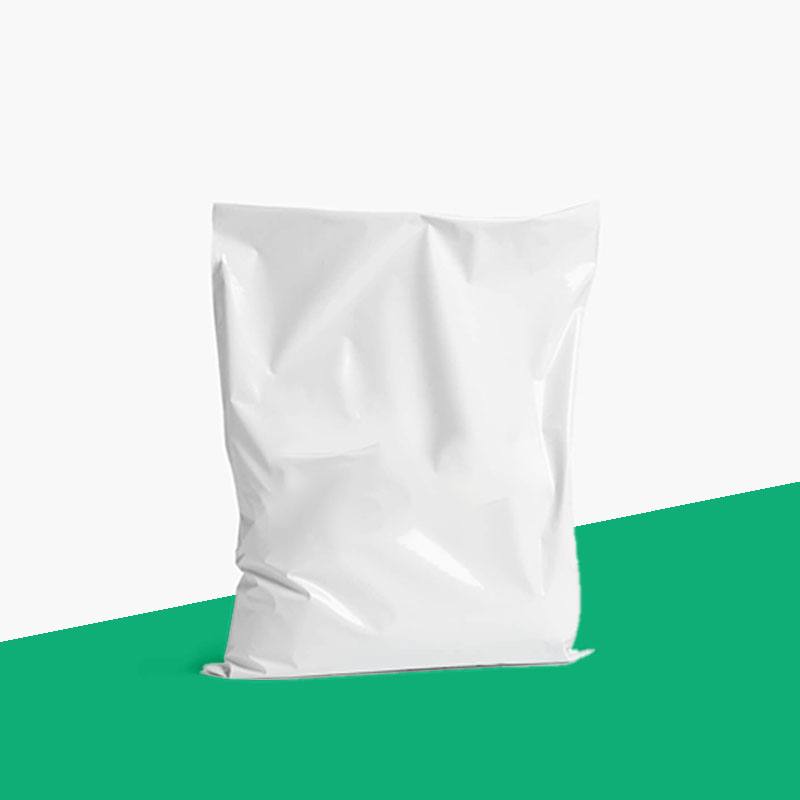
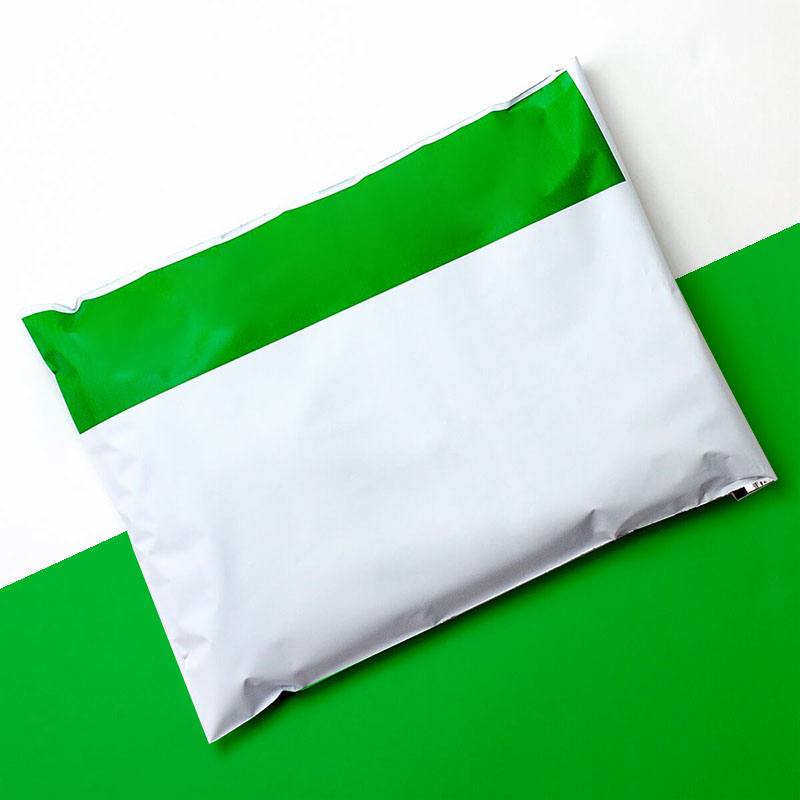
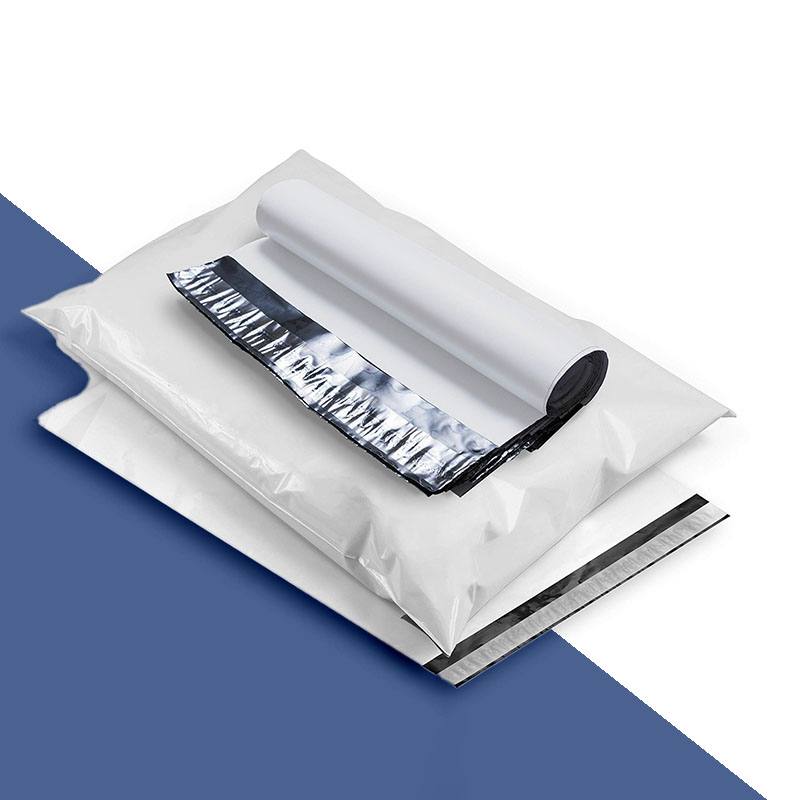
Price economy poly mailers
A short brief is enough to start. We come back with a written specification and a price.
Where the saving comes from
An economy specification is not one decision. It is four, and they are not equally safe.
| Saving | What you give up | Safe when |
|---|---|---|
| Lighter film weight | Puncture and tear resistance | Contents are soft, light and have no corners |
| No print | Brand presence on the outer parcel | Branding lives on inserts, stickers or the product itself |
| Stock colour instead of matched | Exact tone control | The parcel is not part of the customer experience |
| Single adhesive strip | Easy resealing for returns | Return rates are low, or returns use a separate bag |
| Larger order quantity | Flexibility and cash held in stock | Volume is predictable and storage is dry and dark |
The first row is the one to think hardest about. The other three cost you presentation; that one costs you parcels.
The arithmetic that decides it
Work out what one failed parcel costs you end to end: the replacement goods, the second shipment, the staff time on the support ticket, and whatever proportion of those customers do not order again.
Then work out the saving per mailer between the economy specification and the one above it. Divide the first number by the second, and you get the failure rate at which the saving disappears.
For most businesses that number is startlingly low — a fraction of a percent. If the lighter film raises failures by more than that, the economy specification is costing money, not saving it. If your contents are soft and light and the failure rate does not move, the saving is genuinely free.
Where an economy specification works well
Light, soft, high-volume goods
Single garments, textiles and soft accessories put almost no stress on the film.
Operations that brand elsewhere
If the inserts and the product packaging carry the identity, the outer bag does not need to.
Marketplace fulfilment
Where the platform controls presentation, a plain bag is often the requirement rather than a compromise.
Internal and inter-site transfers
Stock movements between your own locations need containment, not presentation.
Sample and literature sends
Low-value contents where the parcel is not part of the offer.
Where it is a false economy
Anything with a corner
Boxed goods, hardback books and electronics concentrate force at one point, which is exactly what light film fails at.
High-value contents
The saving per parcel is trivial next to the value at risk in a single failure.
High-return categories
Without a second adhesive strip every return needs another bag, which erases the saving.
Brands selling on presentation
If customers photograph your parcels, the outer bag is part of what they bought.
Economy specification choices
You can take some savings and not others. Everything is confirmed on your quotation.
| Option | Choices | What changes |
|---|---|---|
| Film weight |
| The one saving worth reconsidering if there is anything rigid in your parcels. |
| Colour |
| Stock colours carry little premium; a matched colour is where cost climbs. |
| A one-colour mark is the cheapest print available and still reads as intentional. | |
| Closure |
| Keep the single strip only if returns are genuinely rare for you. |
| Order quantity |
| Higher volume lowers the unit price but ties up cash and storage. |
Options shown are the choices we can quote against. The exact specification for your order — including film weight, closure and print method — is confirmed in writing on your quotation.
Storing a bulk order properly
A large economy order only stays economical if it is still usable when you get to the bottom of the pallet. Adhesive is the component that ages, and heat, damp and sunlight are what age it. Keep cartons sealed, flat, off the floor and out of direct light, and rotate stock so the oldest is used first. If you are ordering into several markets at once, the sequencing and documentation points are covered in the guide to ordering internationally.
Questions about economy poly mailers
Are cheap poly mailers strong enough?
For light, soft contents with no hard corners, yes. Lighter film fails at points of concentrated force, so the answer depends entirely on what is inside rather than on the mailer alone.
How much do I save by ordering in bulk?
The per-unit price falls as volume rises because setup and handling are spread further. How far it falls depends on the size, specification and quantity, so we quote against your actual figures rather than publishing a table.
Can economy mailers still be printed?
Yes. A single-colour logo is the cheapest print available and keeps most of the cost saving while still making the parcel look deliberate.
What is the difference between economy and standard mailers?
Mainly film weight, and after that the closure and colour options. The construction and the sizes are the same; what changes is how much stress the bag will take before it fails.
Price a bulk economy order
Give us your monthly volume and what you ship. We will quote an economy specification and the one above it so you can compare the two properly.