Sector
Poly Mailers for Ecommerce Operations
At low volume, packaging is a purchase. At scale it is an operating system: every decision multiplies by thousands of parcels a month, and the costs that matter stop being the unit price and start being the ones nobody itemises.
Packer decision time. Reorder admin. The proportion of parcels that cross a shipping threshold. Damage rates. Support contacts about returns. All of them are affected by a specification chosen months earlier, and none of them appears on a quotation.
Quote packaging for ecommerce
Tell us what you ship and how much of it. A recommendation and a written price come back together.
What we would put in front of you
Five products, each with the reason it belongs in this sector rather than a general description.

10x13 Poly Mailers
The size to standardise on if your order profile allows it.
Read the detail
Economy Poly Mailers
Where volume justifies a cost-led specification, with the trade-offs named.
Read the detail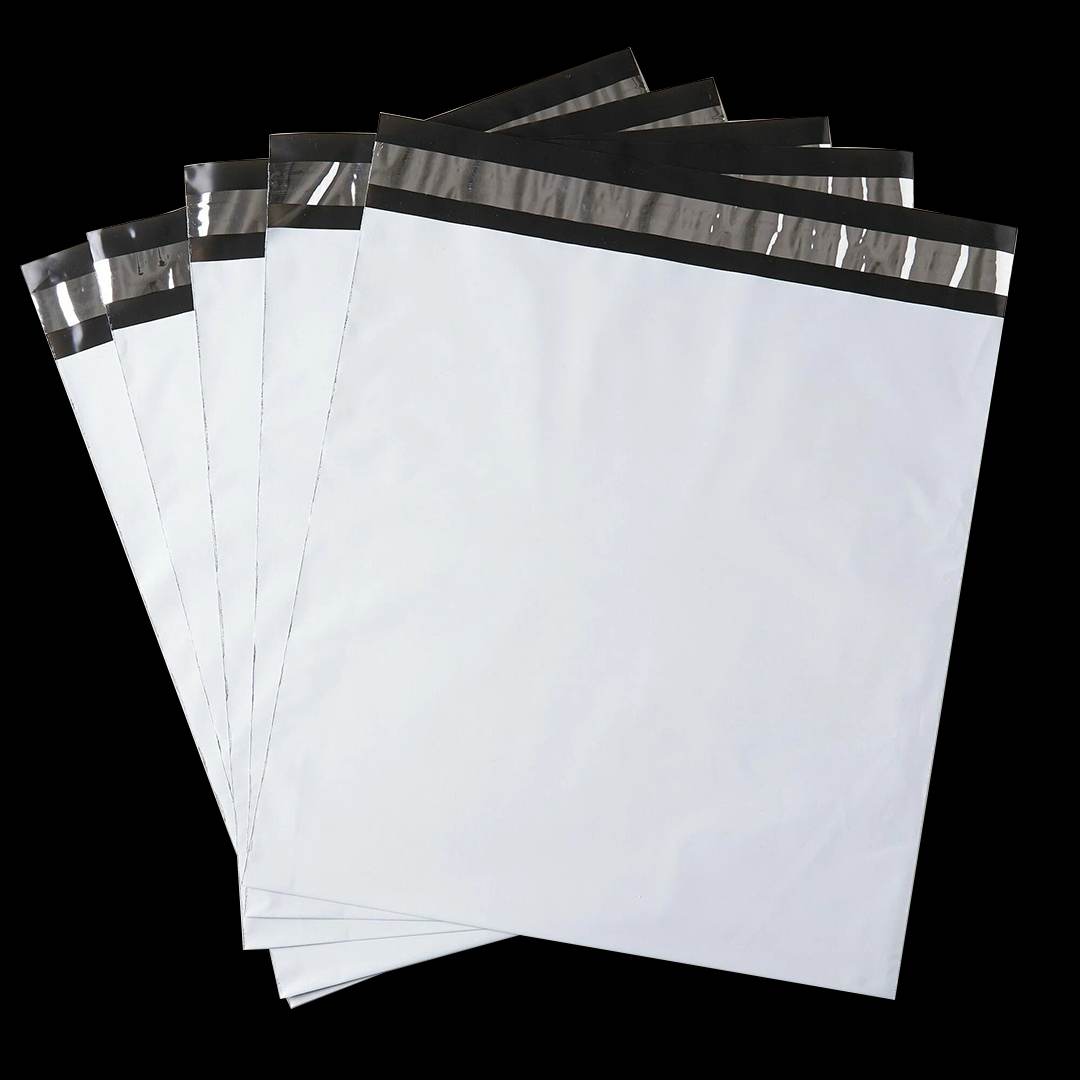
Blank Poly Mailers
For multi-brand fulfilment where one logo will not do.
Read the detail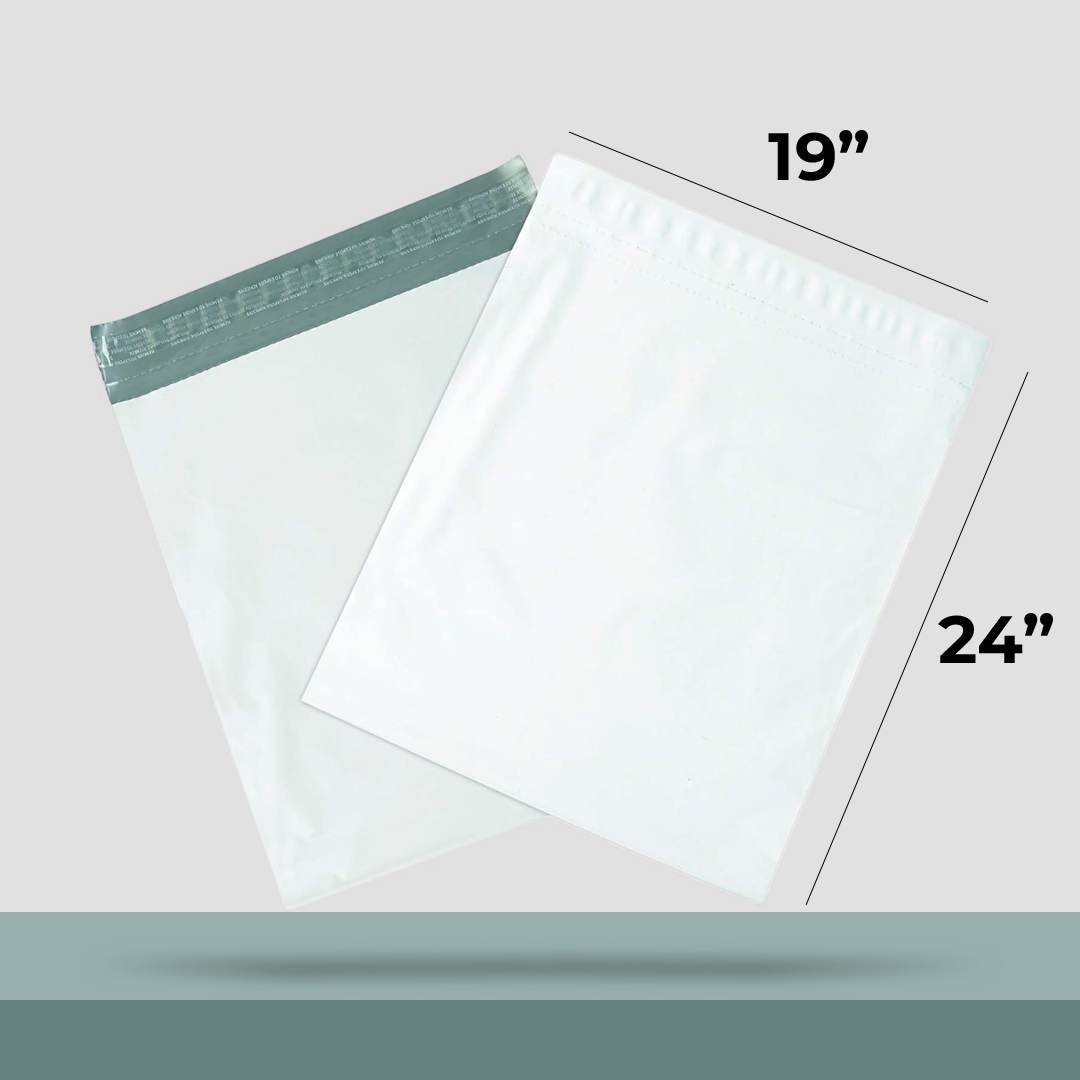
19x24 Poly Mailers
Consolidating multi-item orders into one parcel instead of several.
Read the detail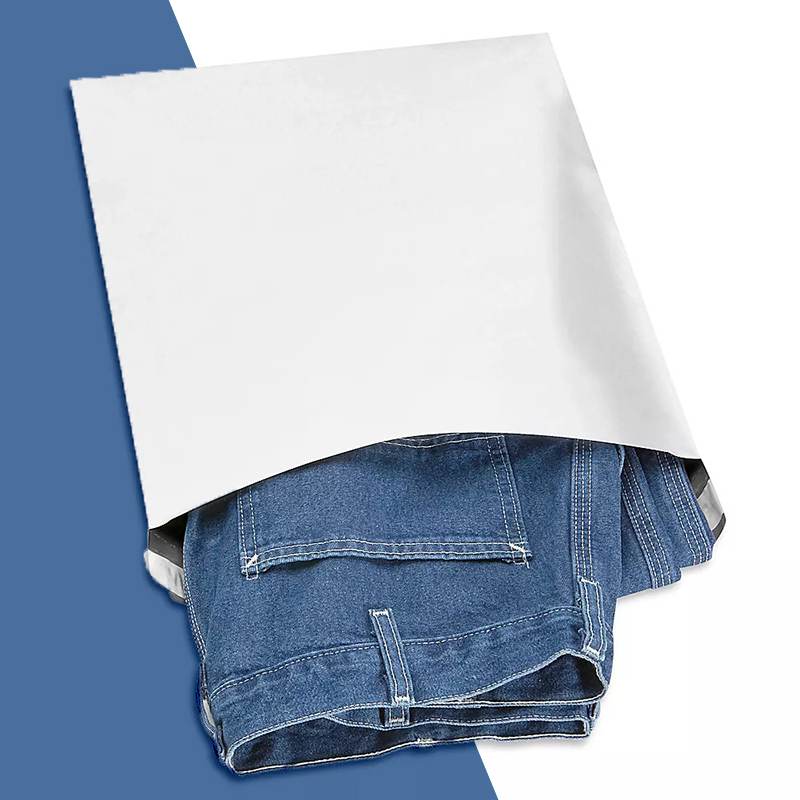
Self-Seal Poly Mailers
Seconds saved per parcel at the bench, multiplied by your volume.
Read the detailThe costs a quotation does not show
Run these numbers against your own volume before optimising the unit price any further.
| Cost | Driven by | How to reduce it |
|---|---|---|
| Packer decision time | Number of sizes on the bench | Fewer sizes with clear, written rules |
| Shipping band crossings | Parcel thickness and weight | Right-size and weigh a real packed sample |
| Damage and replacement | Fit and film weight against contents | Test with a drop before switching a flow |
| Returns handling | Whether the original bag can be reused | Specify a second adhesive strip |
| Reorder admin and stockouts | Number of separate lines to track | Consolidate sizes and order them together |
Reviewing a packaging setup at scale
An annual review against real data beats a rolling series of small changes.
Pull your actual order profile
Item count and weight distribution across a full month, not an impression of what you send.
Map it to sizes
You will usually find two or three sizes cover almost everything, and a fourth covers almost nothing.
Weigh packed samples against your rate card
This is where the real money is. A size change that moves parcels across a threshold dwarfs any unit-price saving.
Check your damage data by product type
If failures cluster in one category, that is a fit or film-weight problem rather than a general one.
Write the bench rules down
Which bag for which order, where the label goes, how to seal. Temporary and new staff cannot infer any of it.
Order the sizes on one run
Shared setup, matched batches, one delivery, one reorder point to track.
Standardising, and when not to
One size on the bench removes an entire class of error, and for a range with consistent bulk it is the right answer even though it wastes a little film on the lightest orders.
It stops being the right answer when a meaningful share of orders sits badly in it. If more than roughly a fifth of your parcels are either lost inside the standard size or straining it, the waste and the damage together cost more than the second size would.
The way to know is your own order data rather than a rule of thumb. Pull a month of orders, group them by packed size, and look at the distribution before deciding.
Consolidation as a lever
Multi-item orders shipped as separate parcels are one of the largest avoidable costs in high-volume fulfilment. Consolidating into a single large mailer removes a whole shipment, but it is not automatically cheaper — a consolidated parcel can cross a weight band that two smaller ones stayed below. Weigh a realistically packed sample before switching a flow, and check it against your own rate card. The formats that make consolidation practical are covered on the large consolidation format page.
Questions from ecommerce buyers
How many mailer sizes should a high-volume operation run?
Two or three, chosen from real order data rather than from an impression of what you ship. One size wastes film on light orders and strains on heavy ones; four or more introduces bench decisions that get made inconsistently under pressure.
Is buying in bulk always cheaper?
The unit price falls, but you tie up cash and warehouse space, and adhesive ages in storage. Order to a run rate you can actually store properly and rotate, rather than to the largest quantity available.
What is the biggest packaging saving available at scale?
Almost always right-sizing, because it affects the shipping cost on every parcel rather than the packaging cost. Weigh and measure packed samples against your rate card before optimising anything else.
Can you supply unbranded mailers for multi-brand fulfilment?
Yes. Plain stock in several sizes and colours is a common requirement for third-party fulfilment, where one logo on every parcel is not an option.
Review a packaging setup
Send your order profile and current specification and we will tell you where the cost actually is. Often it is not the unit price.