Sustainability
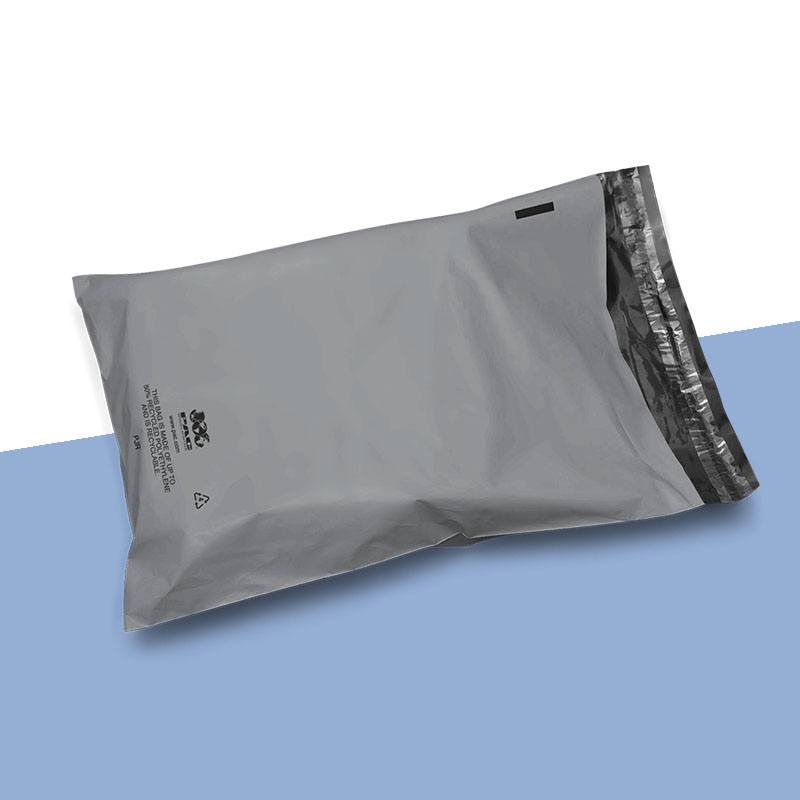
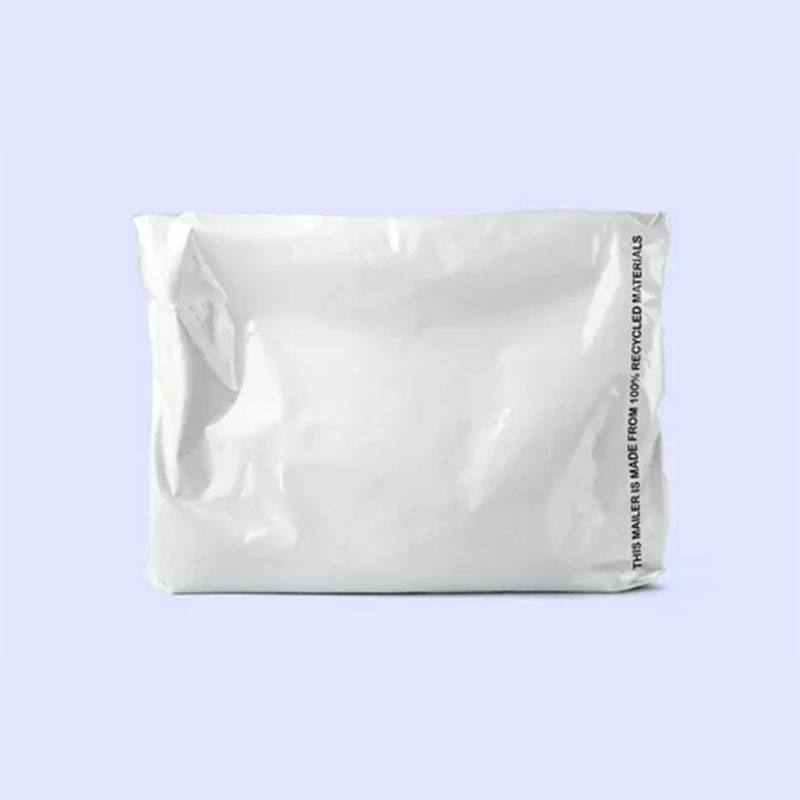
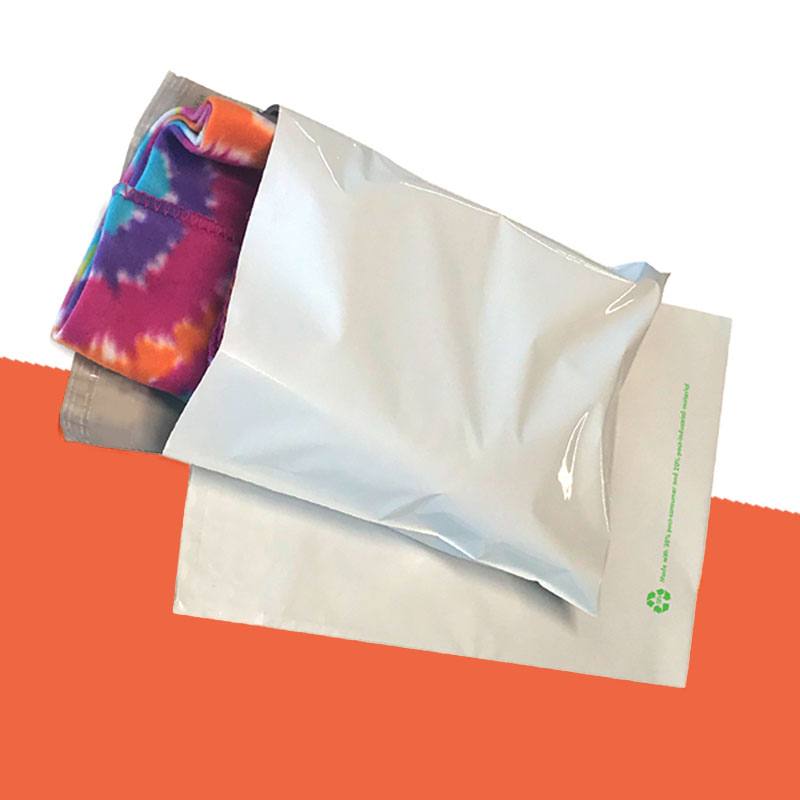
Recycled Poly Mailers
Recycled content is a question about the beginning of a material’s life, not the end of it. It asks what the film was made from: virgin polymer, post-industrial offcuts recovered from manufacturing, post-consumer material recovered after use, or a blend.
That distinction matters commercially, because the three feedstocks carry very different environmental arguments and very different prices, and because the word "recycled" on its own does not tell a buyer which one they are getting.
We can quote mailers produced with recycled content. What we will not do is publish a percentage on a web page. The available content varies by film, by production batch and by market, and a number stated here would be a number we could not stand behind for your specific order. Below is what we will confirm instead.
From$0.30per unit, indicative — your quotation is priced against your own specification
Price recycled poly mailers
A short brief is enough to start. We come back with a written specification and a price.
The three feedstocks, and why the difference matters
When a supplier says "recycled", one of these is what they mean. Ask which.
Post-consumer recycled
Material recovered after it has been used and discarded by a household or business. This is the feedstock that diverts waste from disposal, and it is the one most buyers assume they are getting.
Post-industrial recycled
Offcuts, trim and rejected material recovered inside a manufacturing process before it ever reached a customer. Legitimate to recycle, but it was never going to landfill, so the environmental argument is weaker.
Blended content
A proportion of recycled material combined with virgin polymer, which is the usual arrangement because recycled feedstock alone affects how the film runs and how it performs.
A claim that names the feedstock type and the proportion, and can be traced to a document, is worth something. A claim that says only "recycled" is not.
Why we do not publish a percentage
A number on a web page is not the number in your carton.
Recycled content in poly film varies with the feedstock available at the time of production. The proportion achievable in one batch is not necessarily achievable in the next, and it differs between films and between the markets we supply.
Publishing a single figure would mean stating something we could not guarantee for your specific order, in a category where regulators in every market we serve treat unsupported environmental claims seriously.
So we do it the other way round. You tell us what you need to be able to say. We confirm what the film available for your order can actually support, in writing, with whatever documentation the supplier of that film provides. If we cannot support the claim you need, we say so before you order.
What to ask any supplier for
This is the sequence a procurement team should run, with us or with anyone else. It separates a substantiated claim from a slogan.
Ask which feedstock, not whether it is recycled
Post-consumer, post-industrial or blended. If a supplier is vague at this question, the rest of the answers will be vague too.
Ask for the proportion in writing, for your order
Not a range on a website. A figure tied to the film being quoted, on the quotation itself.
Ask what document supports it
A supplier declaration, a mill certificate or a third-party certification. Ask to see it rather than being told it exists.
Ask whether it holds on reorder
Content can move between batches. Find out whether the figure is guaranteed on repeat orders or quoted per run.
Check what you plan to print against it
The wording you print on the bag is a claim you are making to your own customers, and you carry that responsibility.
Recycled content and recyclability are not the same thing
These two get conflated constantly, including by suppliers. Recycled content is about where the material came from. Recyclability is about whether a customer can get it collected and reprocessed where they live.
A mailer can have high recycled content and still be difficult for a household to recycle, because flexible plastic film is not accepted in most household kerbside collections. In several of the markets we serve it is instead collected at supermarket or retail drop-off points, and availability varies by area.
If recyclability is what your customers actually care about, the honest thing to print is where the film can be taken, not a general symbol that implies a collection which may not exist for them.
What we confirm on your quotation
These are the lines we will put in writing. Anything not listed here is something we will not assert.
| Option | Choices | What changes |
|---|---|---|
| Feedstock type |
| Named explicitly on the quotation rather than described as recycled in general. |
| Supporting documentation |
| Provided on request before you order, not after. |
| Film weight |
| Recycled-content films can behave differently, so specification is checked against your contents. |
| Colour |
| Recycled feedstock limits how pale or how precisely matched a film can be. |
| Any environmental wording you print is your claim to substantiate in your market. |
Options shown are the choices we can quote against. The exact specification for your order — including film weight, closure and print method — is confirmed in writing on your quotation.
Choosing between the sustainable options
Recycled content is one of three routes brands consider, and they are not interchangeable — they answer different questions and suit different customer promises. Which one fits depends on what you can honestly say and what your customers can actually do with the packaging afterwards. The distinctions, in plain terms, are set out in the guide to sustainable packaging terminology, which is written to be read before you brief a designer.
Questions about recycled poly mailers
What percentage of recycled content is in your mailers?
We do not publish a figure, because the content achievable varies by film, by batch and by market. We confirm the feedstock type and the proportion in writing on your quotation for the specific film being supplied, with the supporting documentation available before you order.
Are recycled poly mailers recyclable after use?
Recycled content and recyclability are separate questions. Flexible film is generally not accepted in household kerbside collections in the markets we serve, and is instead collected at store drop-off points where those exist. Availability varies by area, so check what applies where your customers live before printing any disposal instruction.
Is recycled film weaker than virgin film?
It can behave differently, which is why we check the specification against what you actually ship rather than substituting like for like. Where a recycled film is not suited to your contents we will tell you, rather than supplying something that will fail.
Can I print a recycled logo or symbol on the bag?
Only if it is substantiated for the film supplied and permitted in the market you sell into. We will not print a certification mark without documentation. Wording you supply is a claim you are making to your own customers, and the responsibility for it sits with you.
Does recycled content cost more?
Usually, and the premium varies with feedstock availability. We quote it against your specific order rather than applying a general uplift, so you can see what the choice actually costs at your volume.
Ask about recycled-content film
Tell us what you need to be able to claim. We will confirm what the available film supports, in writing, with the documentation to back it.