Sector
Poly Mailers for Books and Stationery
Paper products fail in ways nothing else does. A book arrives with a bumped corner, a print arrives with a crease across it, a notebook arrives with wavy pages after an hour in the rain. None of those is breakage, and none is prevented by a heavier film.
What prevents them is a snug fit, a stiffener where the item is thin, and a film outer rather than a paper one. This page is about those three things.
Quote packaging for books and stationery
Tell us what you ship and how much of it. A recommendation and a written price come back together.
What we would put in front of you
Five products, each with the reason it belongs in this sector rather than a general description.
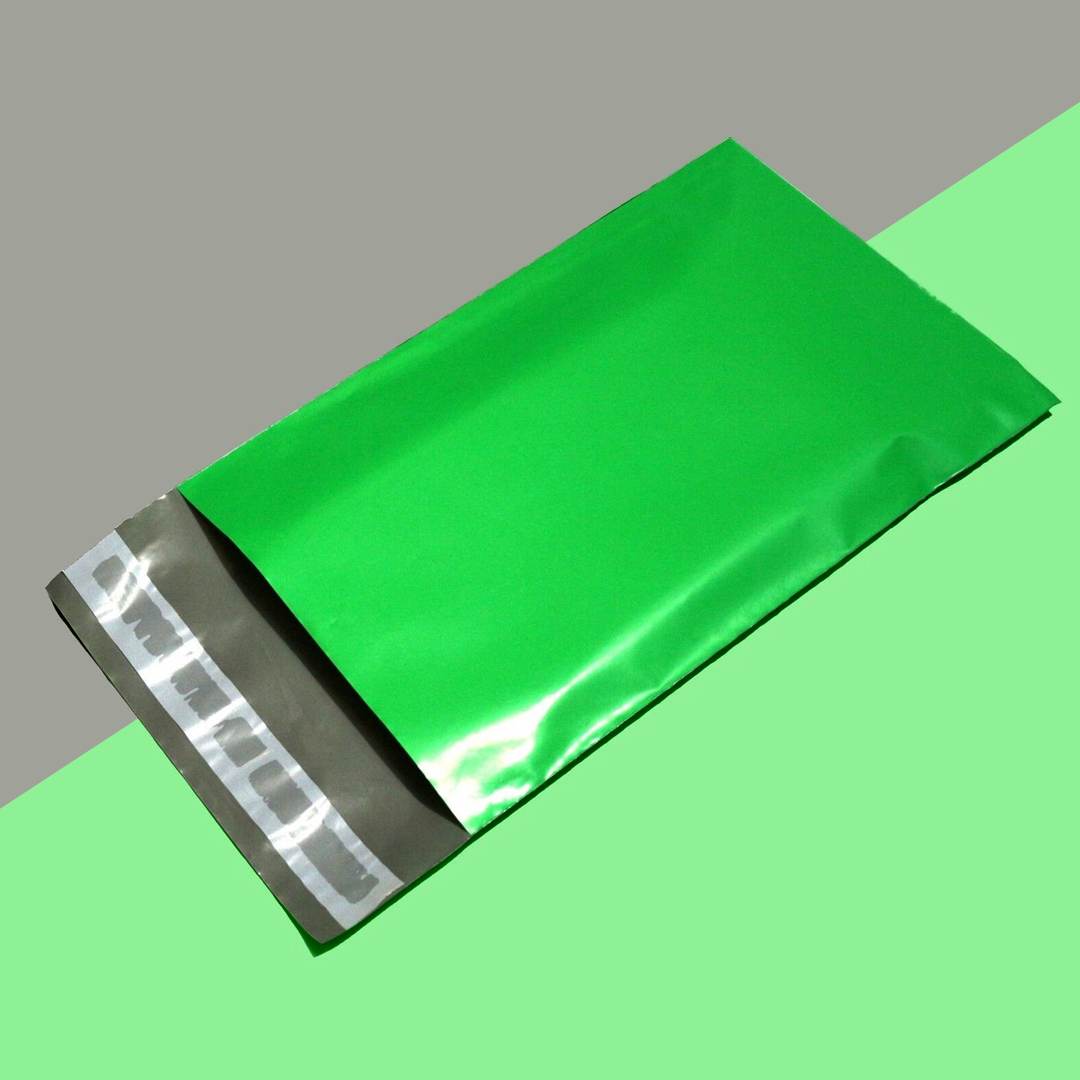
9x12 Poly Mailers
A close fit for paperbacks and mounted prints, which stops them sliding.
Read the detail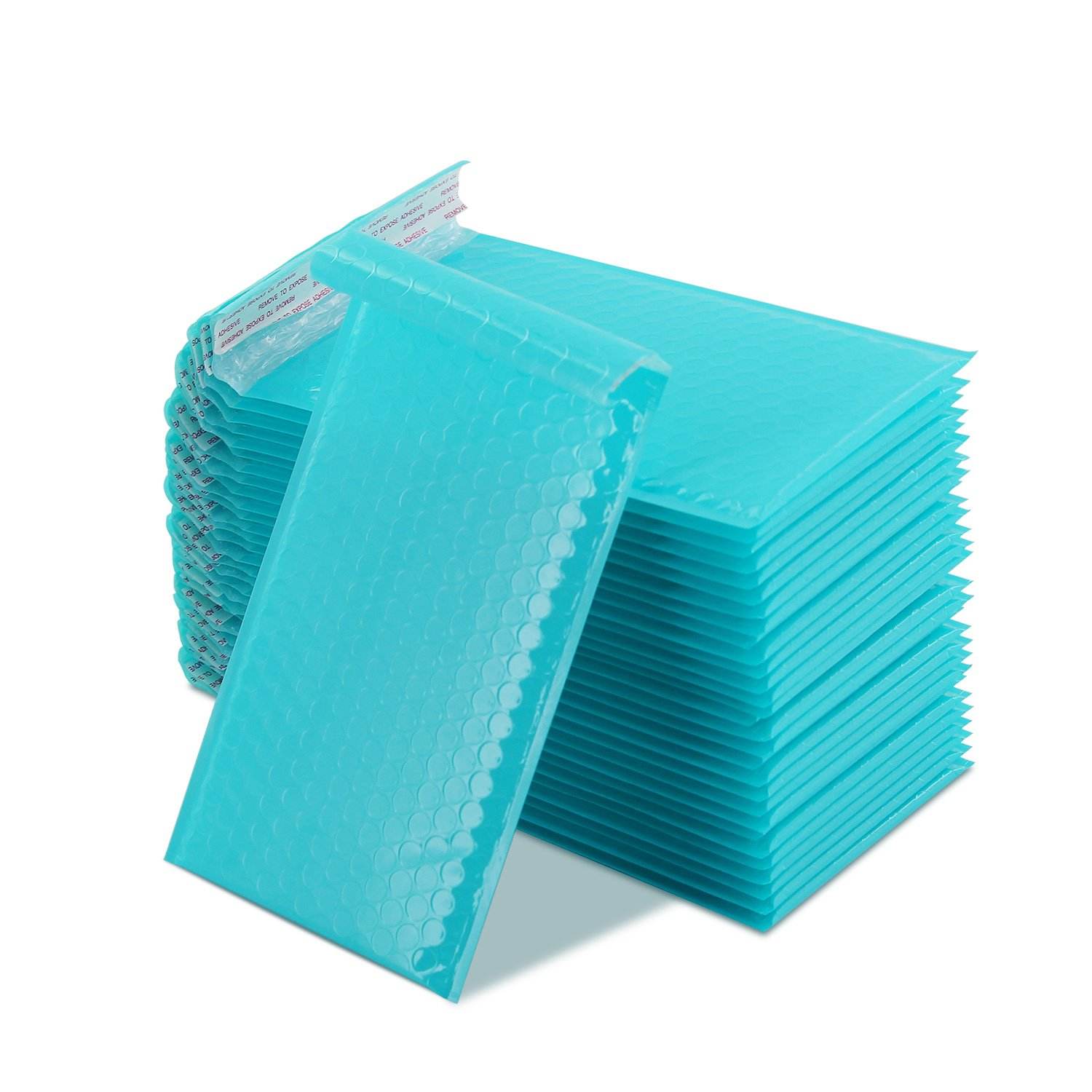
Padded Poly Mailers
Where corner protection matters more than containment.
Read the detail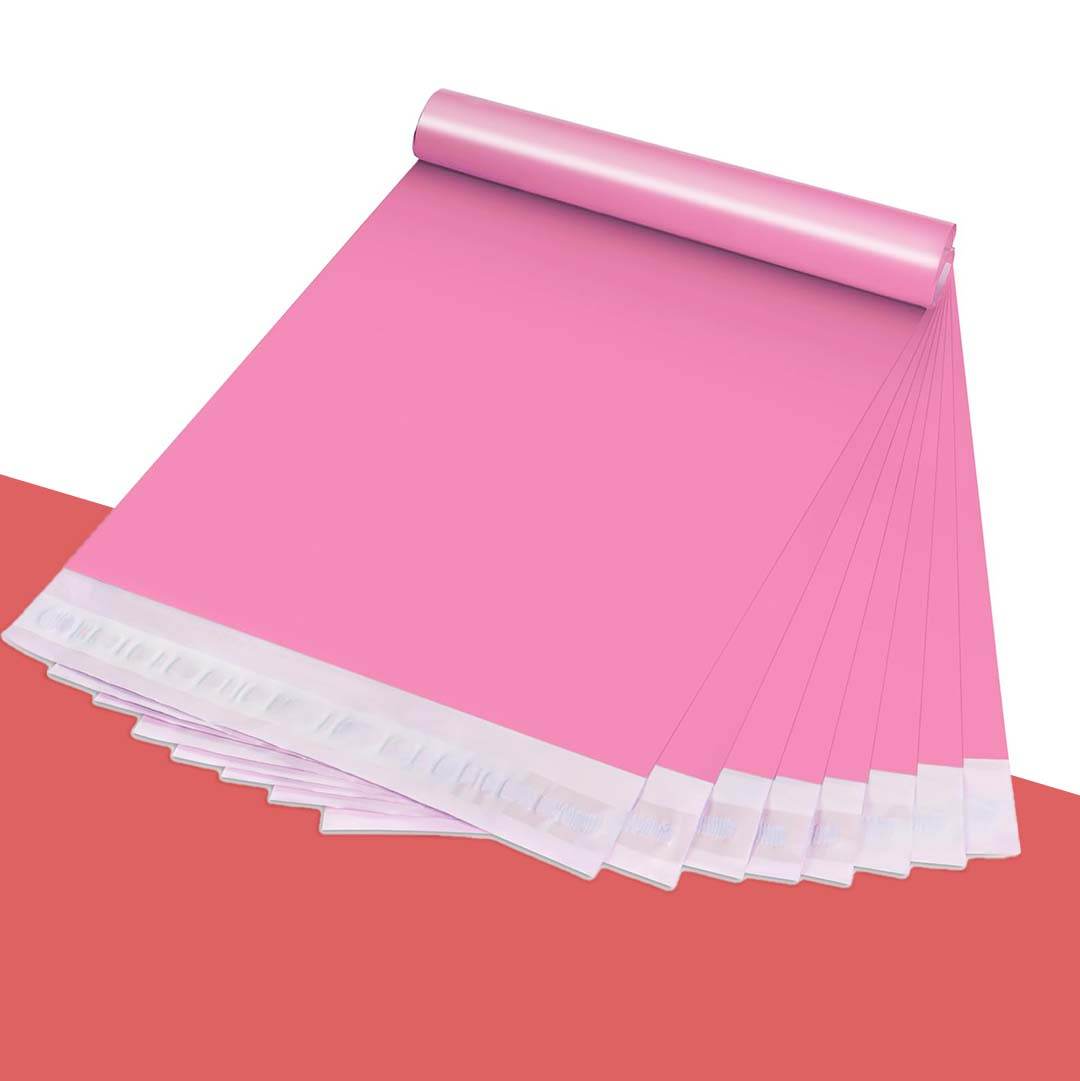
6x9 Poly Mailers
Cards, sticker packs and small print orders.
Read the detail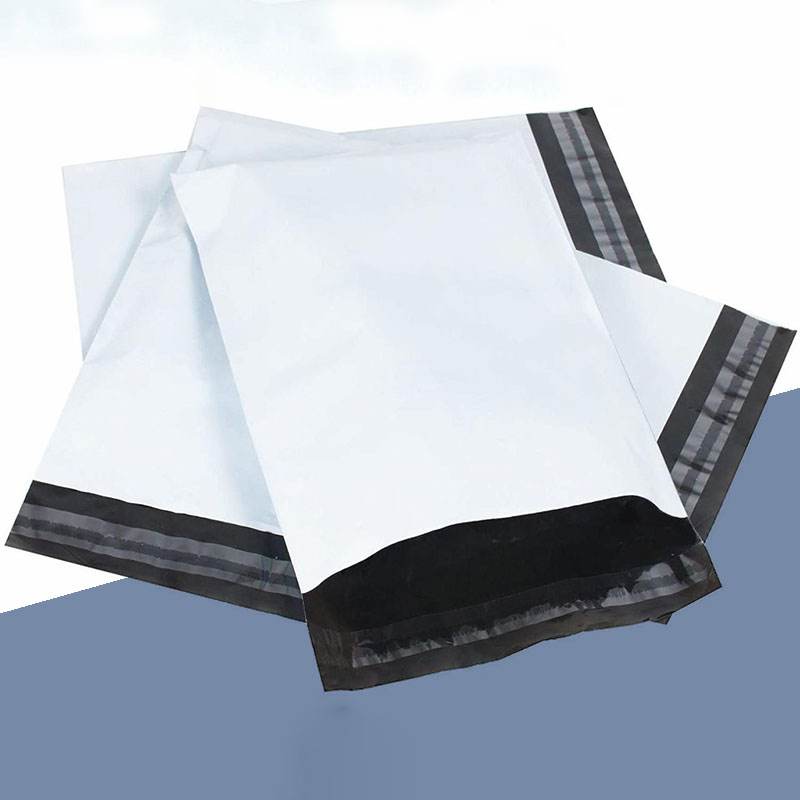
12x15 Poly Mailers
Larger prints, art books and multi-item stationery orders.
Read the detail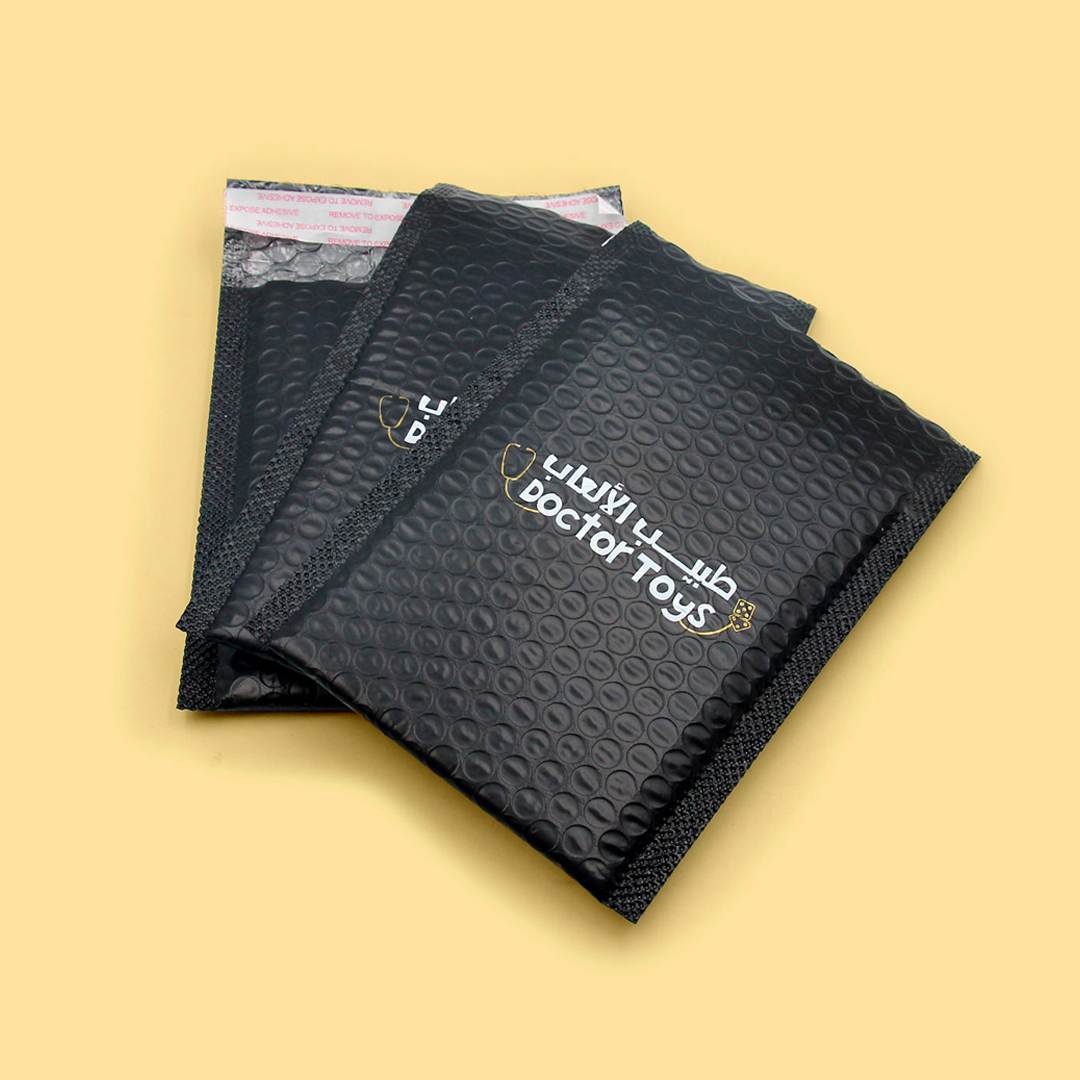
Poly Bubble Mailers
A film outer that keeps rain away from printed stock.
Read the detailThe three ways paper arrives damaged
Diagnose which one you have before changing anything, because the fixes are different.
Corner damage
A book or board-backed print takes the whole force of a drop on one corner. Cushioning helps; a snug fit that stops the item gathering speed helps more.
Creasing and bending
Flat items bend when a parcel is flexed. A stiffener — a board, a rigid backing, or the item itself if it is thick enough — is the only real answer.
Moisture
Paper does not recover from getting wet. A film outer resists rain; a paper-faced mailer absorbs it and passes it through.
A heavier film addresses none of these. It is the wrong lever for this category, and it costs more.
Matching packaging to the item
Paper covers a wide range of rigidity, and rigidity is what decides the answer.
| Item | Main risk | Approach |
|---|---|---|
| Paperback | Corner and spine damage | Close fit, cushioned if the cover must be unmarked |
| Hardback | Corner damage | Cushioned mailer, sized so it cannot move |
| Unmounted print or poster | Creasing | Board stiffener, or roll it in a tube instead |
| Mounted or board-backed print | Corner damage | Close fit plus cushioning at the corners |
| Notebooks and journals | Moisture and cover scuffing | Film outer, close fit |
| Cards and sticker sheets | Bending | Small size with a board, or a rigid envelope |
Packing flat paper goods so they arrive flat
Add a stiffener to anything that bends
A board cut to the mailer size turns a flexible parcel into a rigid one, which is what prevents creasing.
Size so nothing can slide
Movement is what causes corner damage. A snug bag does more than a thicker one.
Face the print inward
If the item has a printed face, put it against the stiffener rather than against the film.
Seal onto clean film
Board reaching the adhesive strip is a common cause of partial seals on this category.
Label on the flattest face
A board-backed parcel has one genuinely flat side. Use it.
When paper-faced packaging is the better choice
There is a real argument for a paper-faced padded mailer in this category, because it feels right for a book and it takes fine print more crisply than film does. The trade is moisture: a paper outer absorbs water rather than shedding it, and paper contents inside a wet paper bag are the worst combination available. If your parcels sit on doorsteps in weather, the film outer wins on the only measure that matters here. Both constructions are compared on the padded mailer comparison.
Questions from books and stationery buyers
What is the most reliable way to ship a book so it does not get damaged?
A snug fit so it cannot move, cushioning if the cover must arrive unmarked, and a film outer if there is any chance of rain. A heavier plain film addresses none of the failures books actually suffer.
How do I stop prints arriving creased?
Add a board stiffener cut to the mailer size, so the parcel cannot flex. Without one, a flat print in a flexible bag will bend wherever the parcel bends. For large or valuable prints, a tube is more reliable than any mailer.
Are paper mailers better than poly for books?
They feel more appropriate and take fine print better, but they absorb water. For a category that is ruined by moisture, a film outer is the safer choice unless you know your parcels stay dry.
Do I need a padded mailer for paperbacks?
Not always. A close fit prevents most damage on its own. Cushioning is worth adding where the cover condition is part of what the customer is buying, such as new stock or collectible editions.
Ship paper goods intact
Tell us what you send and how it is arriving damaged. We will recommend a fit and a construction, and quote it against your volume.