Sector
Poly Mailers for Electronics Accessories
Electronics accessories are small, light and disproportionately awkward. The products themselves are usually hard-wearing, but their retail cartons are not, and the carton is what the customer judges — particularly when the item is being resold or given as a gift.
Two more constraints appear here that no other category shares: moisture matters more than usual, and some items carry static-handling requirements that change what packaging is acceptable.
Quote packaging for electronics accessories
Tell us what you ship and how much of it. A recommendation and a written price come back together.
What we would put in front of you
Five products, each with the reason it belongs in this sector rather than a general description.
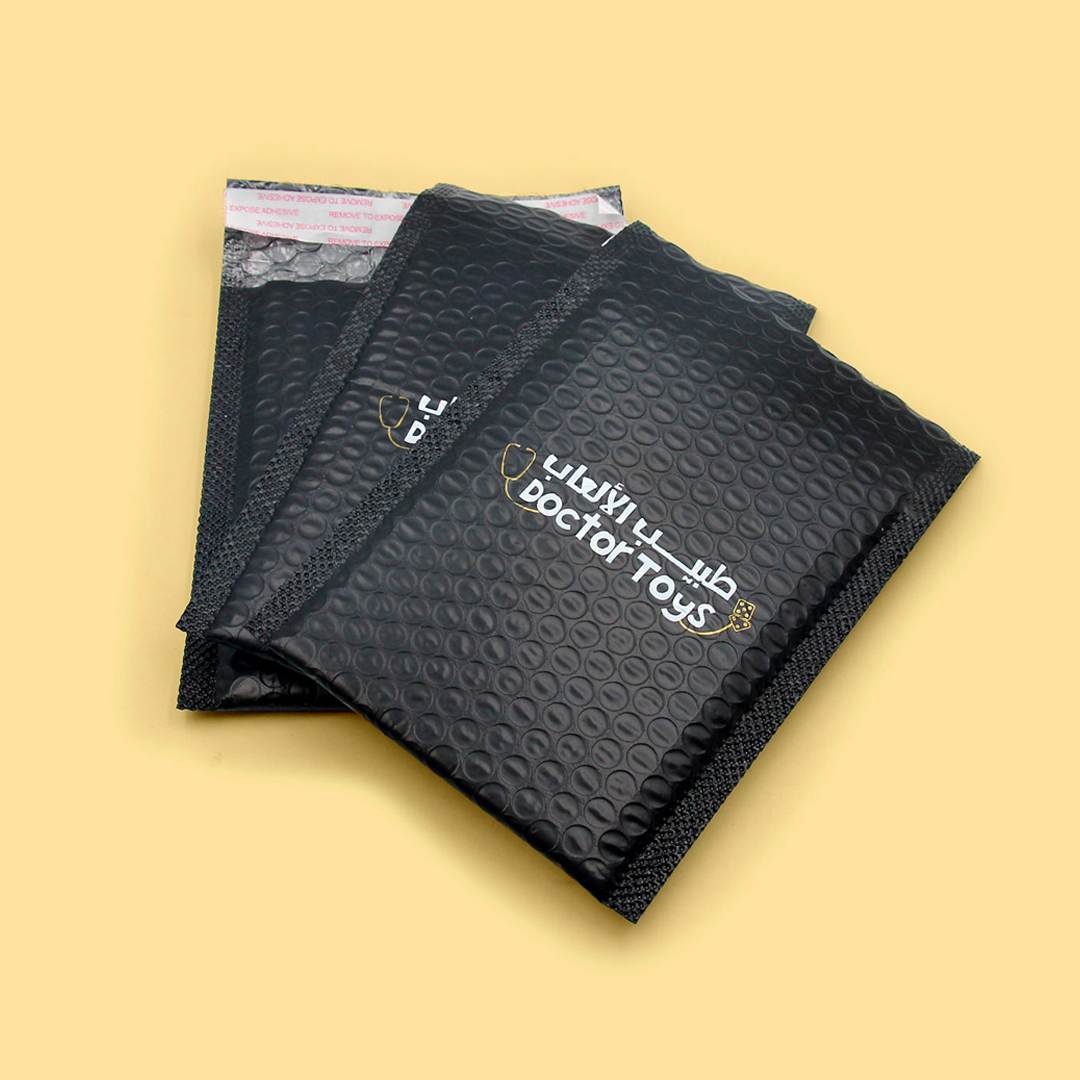
Poly Bubble Mailers
Impact protection with a film outer that keeps moisture away.
Read the detail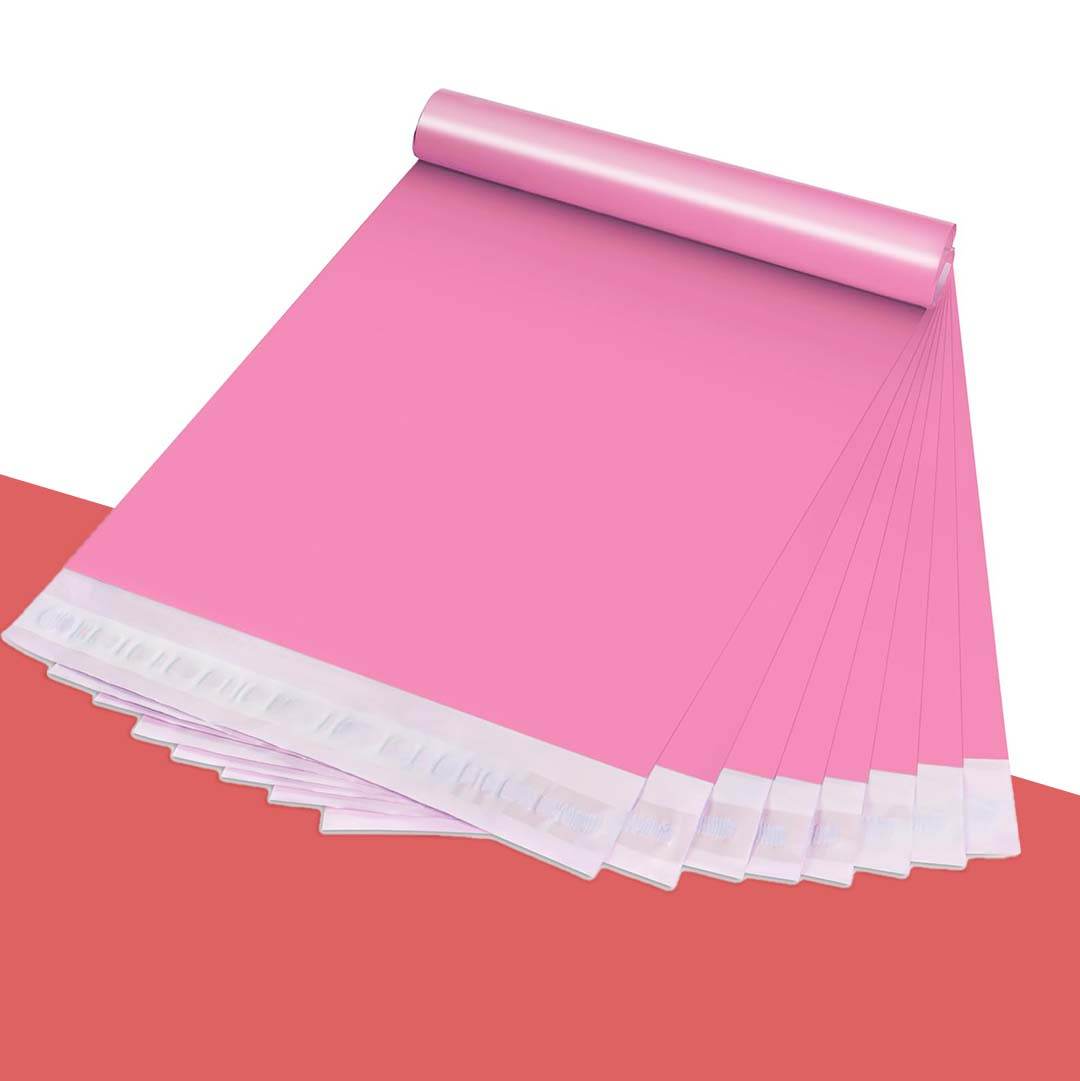
6x9 Poly Mailers
Cables, adapters and small boxed accessories.
Read the detail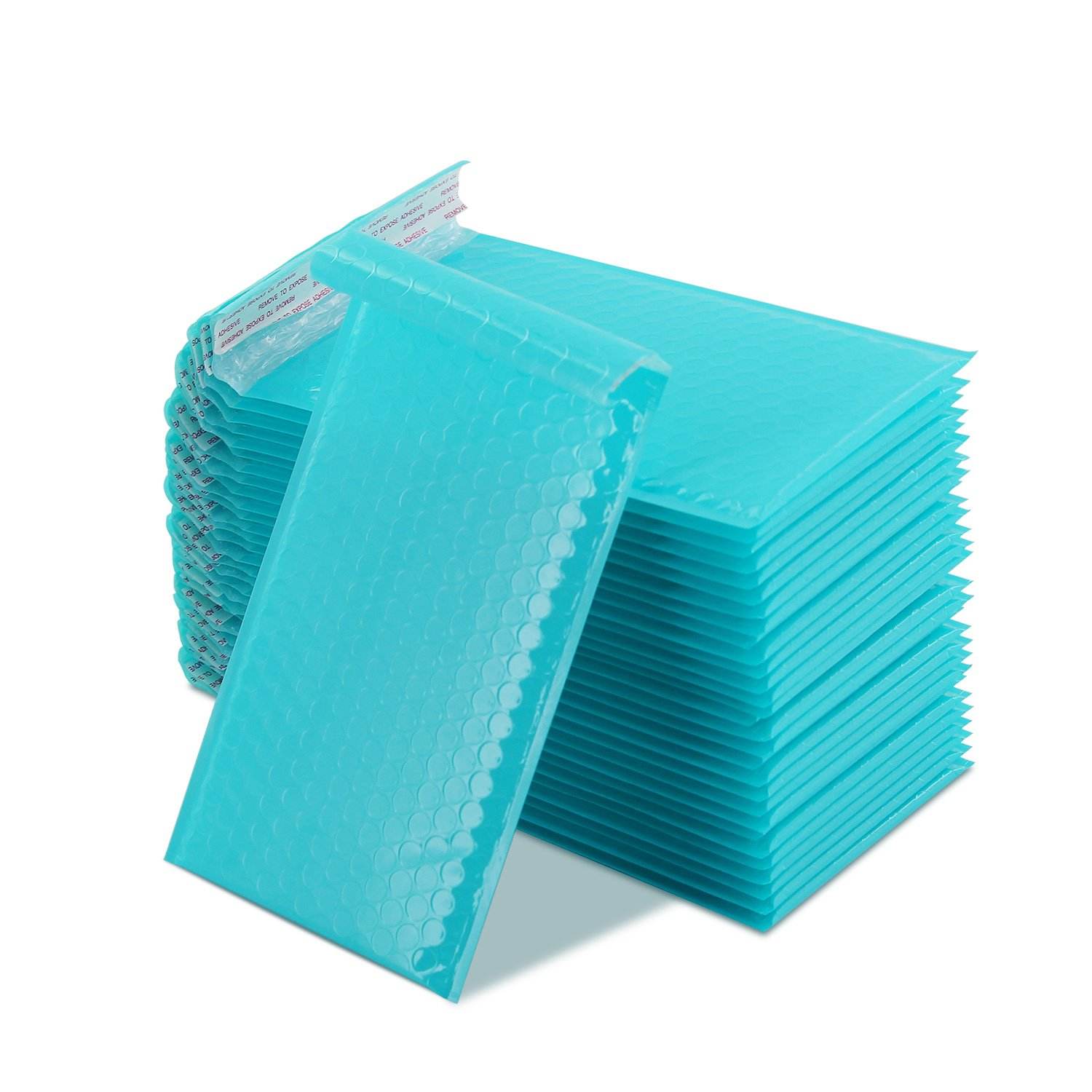
Padded Poly Mailers
Foam lining where the risk is surface marking rather than breakage.
Read the detail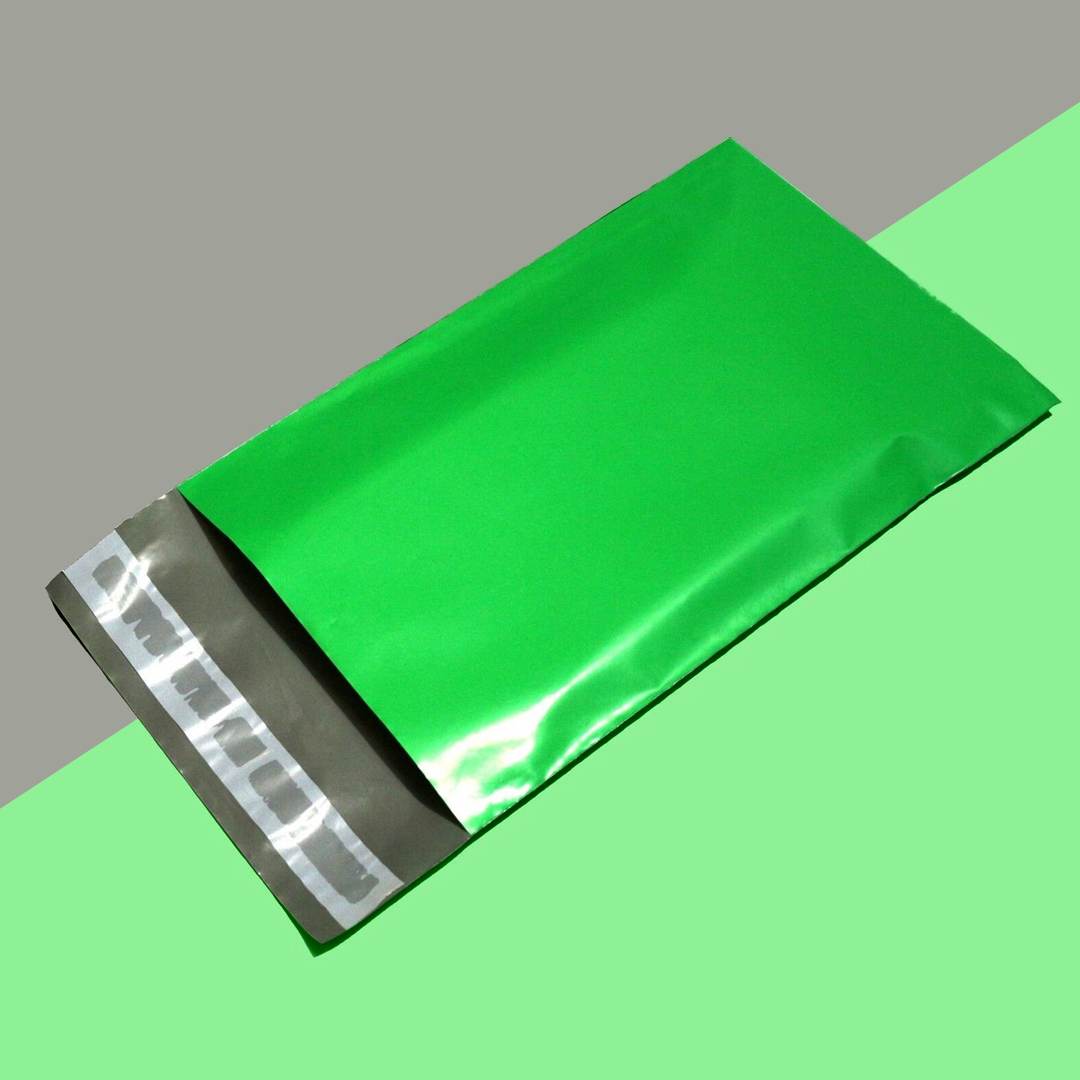
9x12 Poly Mailers
Larger cases, keyboards and multi-item accessory orders.
Read the detail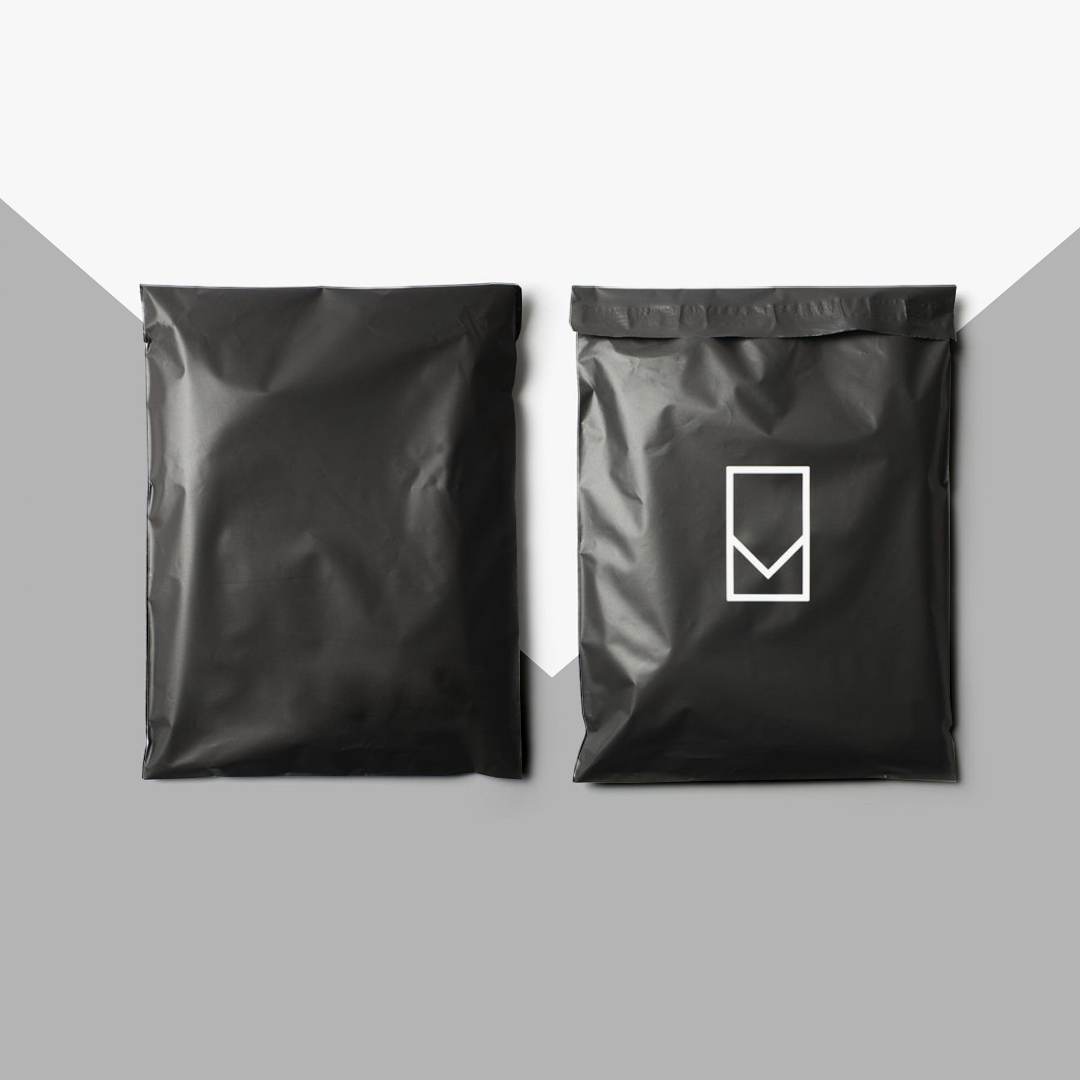
Black Poly Mailers
Full opacity, which matters for higher-value contents on a doorstep.
Read the detailConstraints specific to this category
Four things to settle before choosing a bag, two of which most suppliers will not raise.
Hard carton corners
A retail box concentrates the whole force of a drop onto one point. It is the most common cause of both damaged product and burst bags in this category.
Moisture
Electronics and water are a total loss rather than a cosmetic problem. A film outer is not optional here in the way it is for soft goods.
Static-sensitive components
Some products require anti-static handling. Standard polyethylene is not an anti-static material, so if this applies to you, say so at enquiry stage — it changes the specification.
Discretion on the doorstep
Higher-value contents in a bag that announces what is inside is a theft risk. Opaque film, and nothing on the outside naming the product.
What to use for what
Sorted by the risk that actually applies, rather than by product type.
| Item | Main risk | Approach |
|---|---|---|
| Cables and adapters | Almost none | Small plain mailer, sized close |
| Boxed accessories | Carton corner damage | Cushioned mailer, sized so the box cannot move |
| Cases and covers | Surface marking | Foam lining or a close fit in plain film |
| Chargers and power banks | Impact and weight | Cushioned, heavier film |
| Anything static-sensitive | Component damage | Specify anti-static handling — standard film is not suitable |
| Higher-value items | Theft and moisture | Opaque film outer, nothing identifying on the outside |
The retail carton is the product
For a large share of electronics accessories, the box is part of what was bought. A customer who receives a crushed carton around an undamaged cable has still had a bad experience, and a reseller cannot put a scuffed box back on a shelf.
The instinct is to add cushioning, and cushioning does help. But the bigger lever is fit: a carton that cannot move inside the bag cannot catch, rub or take a corner impact at speed. Sizing to the carton rather than to the product is the single most effective change most sellers in this category can make.
When a mailer is not enough
Flexible packaging has no structure, so anything that must not be compressed cannot be protected by it whatever the lining. If your damage reports describe crushed cartons rather than broken products, more cushioning will not change the outcome and a rigid carton will. Working out which failure you actually have, before buying anything, is set out in the protective mailer comparison.
Questions from electronics accessories buyers
Are poly mailers safe for electronics?
For most accessories, yes — the film keeps moisture out and a cushioned version handles impact. Standard polyethylene is not an anti-static material, so anything with static-sensitive components needs a specification that addresses that, and you should raise it at enquiry stage.
How do I stop retail boxes arriving crushed at the corners?
Size the mailer to the carton so it cannot move, then add cushioning. Fit prevents more corner damage than lining does, because a box that cannot gather speed cannot hit anything hard.
Should electronics ship in opaque mailers?
For anything of value, yes. An opaque film with nothing identifying printed on the outside reduces the chance of a parcel disappearing from a doorstep, and it costs no more than a pale one.
Do I need a padded mailer for cables?
Usually not. Cables are among the most hard-wearing things anyone ships. A small plain mailer sized close to the item is enough, and cushioning is money spent on a risk that is not there.
Specify electronics packaging
Tell us what you ship, including anything static-sensitive, and we will specify a bag that suits both the product and its carton.