Quote support for Canadian businesses
Poly Mailers for Calgary Businesses
Cold does two things to a poly mailer, and only one of them is widely understood. The film becomes less flexible, which is the obvious effect. The adhesive bonds less readily, which is the one that actually causes failures.
In a climate with sustained deep cold rather than occasional frost, both effects are present for months rather than days, and packaging practice has to account for them.
Quote an order for Calgary
Tell us what you ship and where it goes. We confirm the specification, the schedule and the price in writing.
Who buys mailers here
Sectors where poly mailers are genuinely the right packaging, with the reason each one appears rather than a generic list.
Energy and industrial supply
B2B shipping where packaging is practical and conditions are demanding.
Outdoor and technical goods
Products designed for the climate, shipped through it.
Ecommerce and direct selling
Own-channel businesses shipping year round in a demanding climate.
What we would suggest
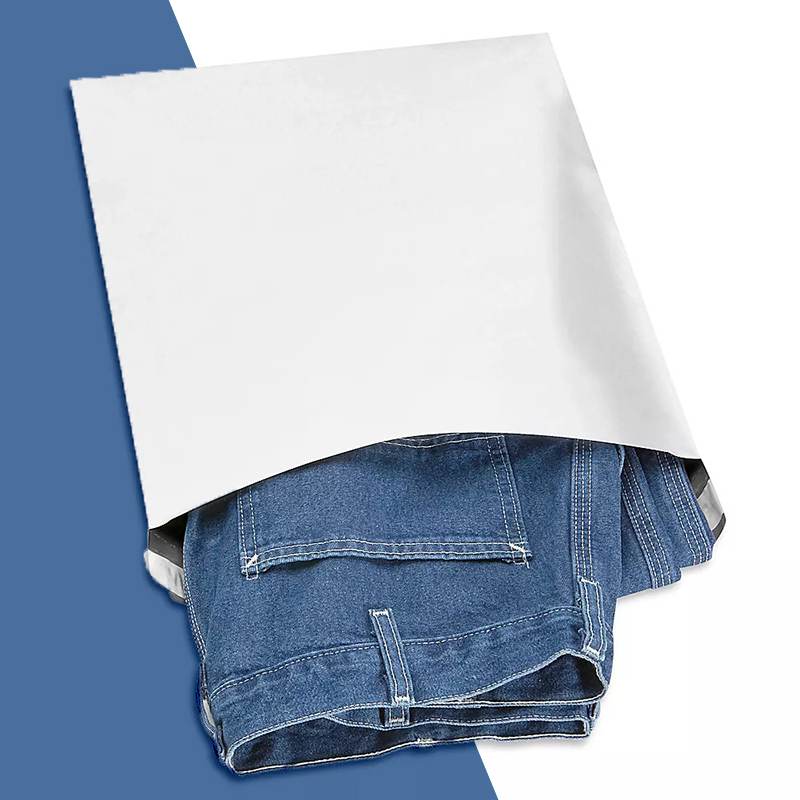
Self-Seal Poly Mailers
The closure is where cold weather failures actually appear.
Read the detail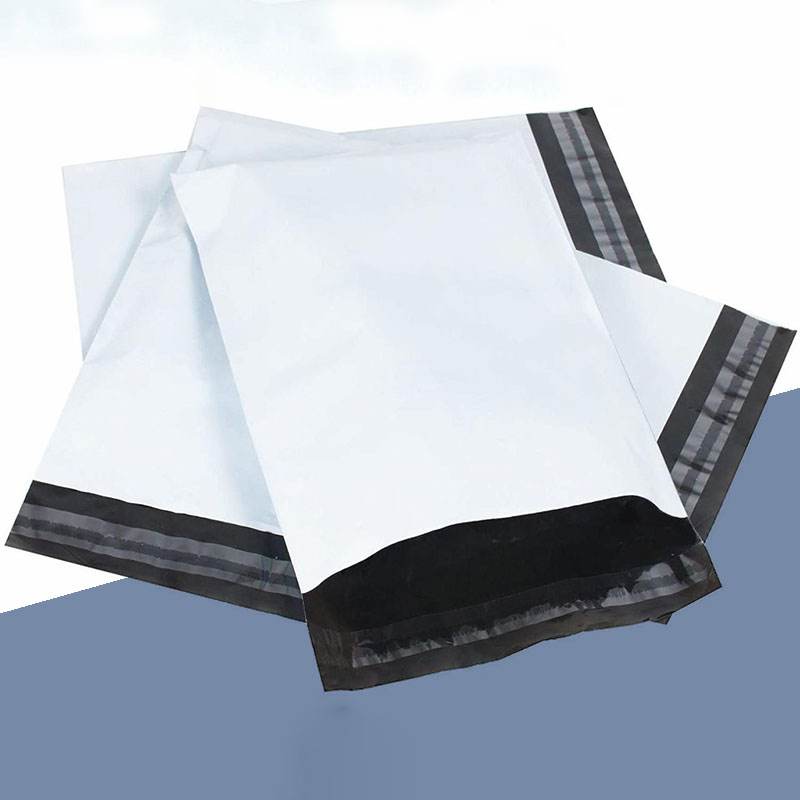
12x15 Poly Mailers
Room rather than compression, because cold film is less forgiving of stretch.
Read the detail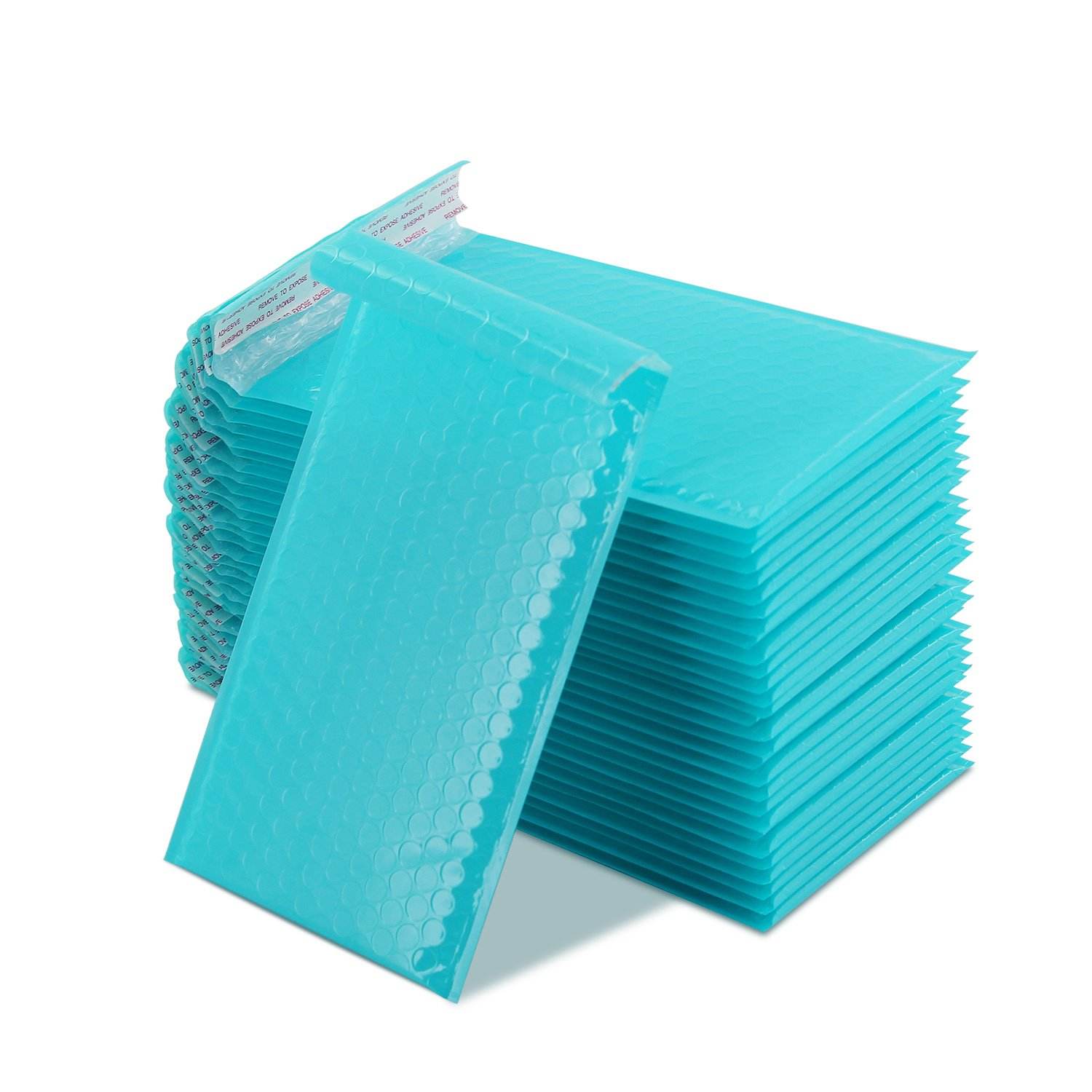
Padded Poly Mailers
Cushioning where contents will be handled at temperatures that make everything more brittle.
Read the detailWhy cold seals fail
The adhesive is the component that notices first.
Pressure-sensitive adhesive works by flowing slightly into contact with a surface under pressure. Cold reduces how readily it does that, so a seal made on cold film with cold hands in a cold room is weaker than the identical action performed warm.
The failure this produces is characteristic: parcels that sealed fine at the bench and arrive open, with no obvious damage and an intact-looking strip. The bond was partial from the start.
The fix costs nothing. Bring packaging into a heated space before use rather than working straight from a cold store, and give the strip a longer, firmer press than you would in summer. Warming the room is not the same as warming the stock; a carton takes hours to come up to temperature.
Cold-weather practice
Warm the stock, not just the room
A carton brought in from a cold store is still cold in the middle for hours. Bring it in the night before.
Press longer and harder
Cold adhesive needs more pressure and more time to form the same bond.
Avoid tight fits in winter
Cold film stretches less before it splits, so a parcel that was fine in July can fail in January at the same size.
Consider a heavier film seasonally
Some operations run a heavier specification through the cold months and a standard one the rest of the year.
Storage between seasons
Cold storage does not damage packaging in the way heat does — the adhesive is affected while it is cold rather than permanently degraded, and it recovers as it warms. That means the sensible approach is about handling rather than about avoiding cold storage entirely: keep stock somewhere it can be brought inside ahead of use. The wider material behaviour is set out on the materials page.
Questions from Calgary buyers
Why do poly mailers come open in winter?
Because adhesive bonds less readily to cold film. A seal made on cold stock in a cold room is weaker than the identical action performed warm, and the parcel arrives open with an intact-looking strip.
Does cold damage packaging permanently?
No, unlike heat. Adhesive performance is reduced while it is cold and recovers as it warms, so the answer is to bring stock into a heated space before use rather than to avoid cold storage.
Should I use a heavier film in winter?
Some operations do, because cold film stretches less before splitting and a tight fit that worked in summer can fail in deep cold. Running a heavier specification seasonally is a reasonable response if you see winter failures.
Specify for winter
Tell us whether you see more failures in cold months. We will look at the film weight and the sealing practice together rather than assuming one or the other.