Serving customers in the United States
Poly Mailers for Illinois Businesses
Illinois sits at the centre of a lot of national distribution, which means a meaningful share of packaging bought here is not for a final delivery at all. It is for shipments that will be consolidated, broken down and re-shipped somewhere else entirely.
That changes the specification. A parcel that will be handled several more times before reaching a customer needs to survive more handling than one going straight out for local delivery, and it needs to stack and label cleanly at every stage.
Quote an order for Illinois
Tell us what you ship and where it goes. We confirm the specification, the schedule and the price in writing.
Who buys mailers here
Sectors where poly mailers are genuinely the right packaging, with the reason each one appears rather than a generic list.
Distribution and consolidation
A central logistics position means a lot of freight passes through rather than terminates here.
Ecommerce fulfilment
National operations locating centrally to reduce average transit distance.
Print and promotional supply
Trade printing with a strong regional presence, shipping flat and rigid goods.
Food and speciality retail
Direct-selling producers with contents that are heavier than they look.
What we would suggest
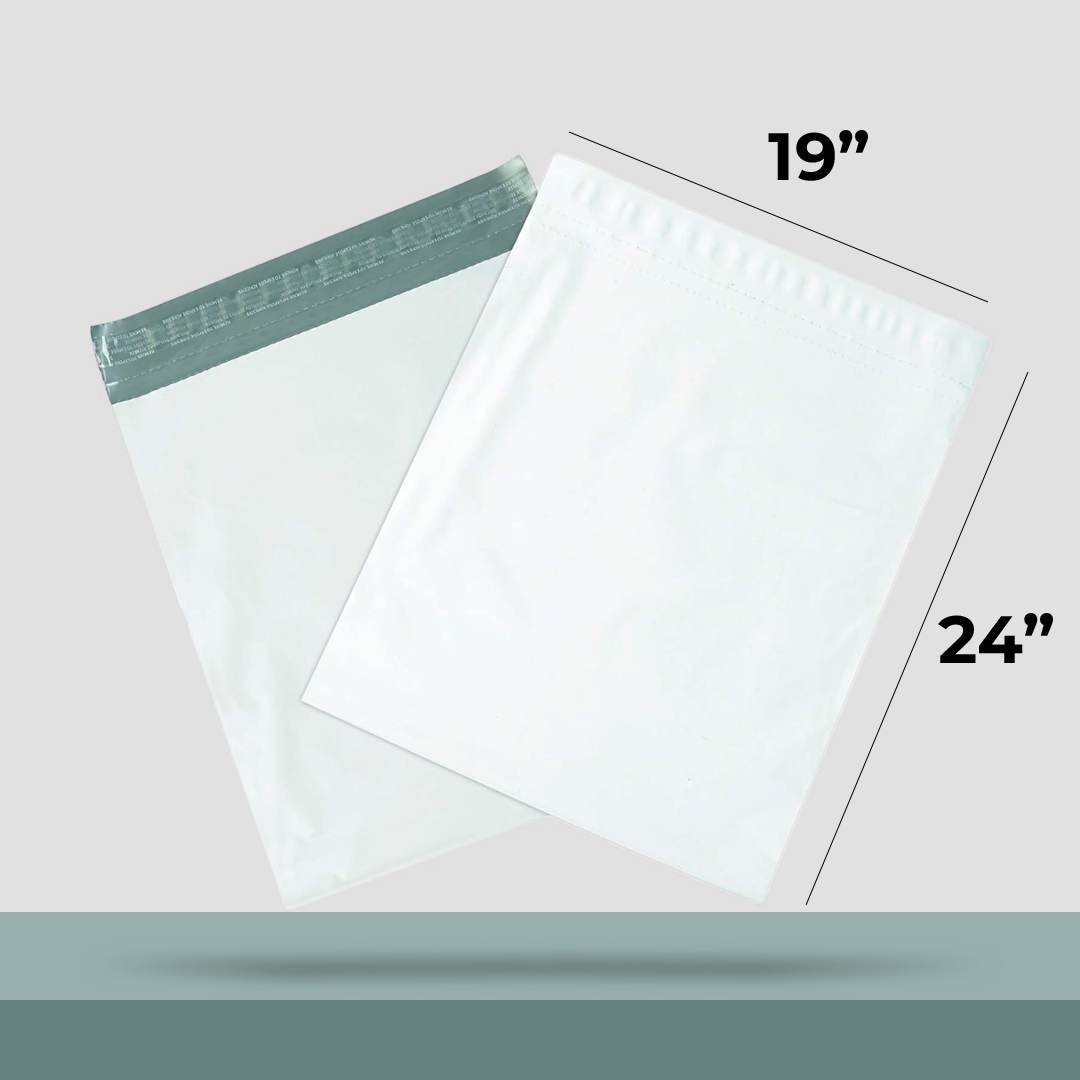
19x24 Poly Mailers
Consolidation formats for shipments that travel between facilities.
Read the detail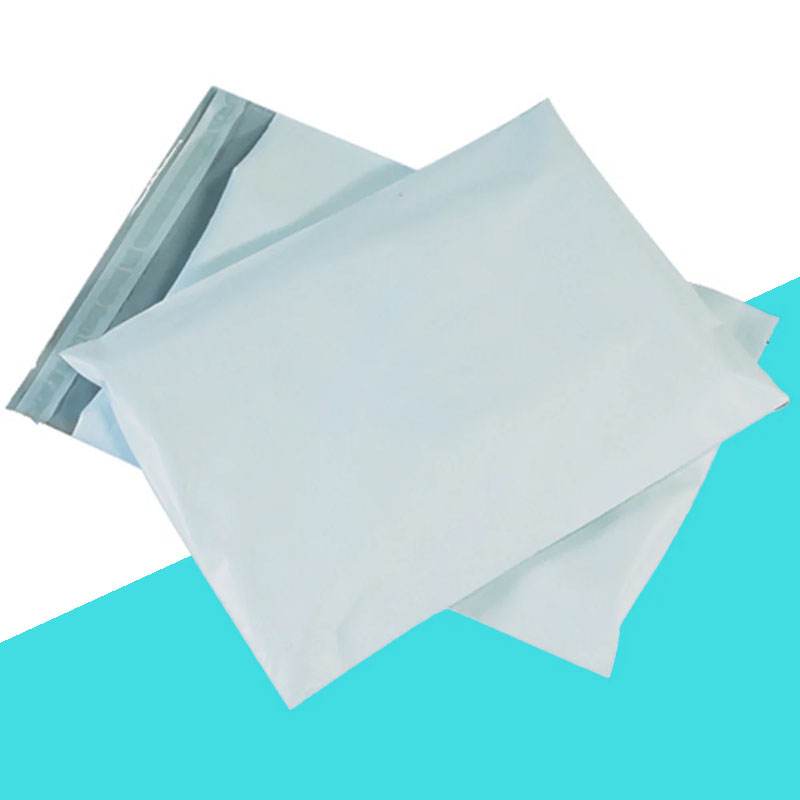
10x13 Poly Mailers
The size most national fulfilment operations standardise on.
Read the detail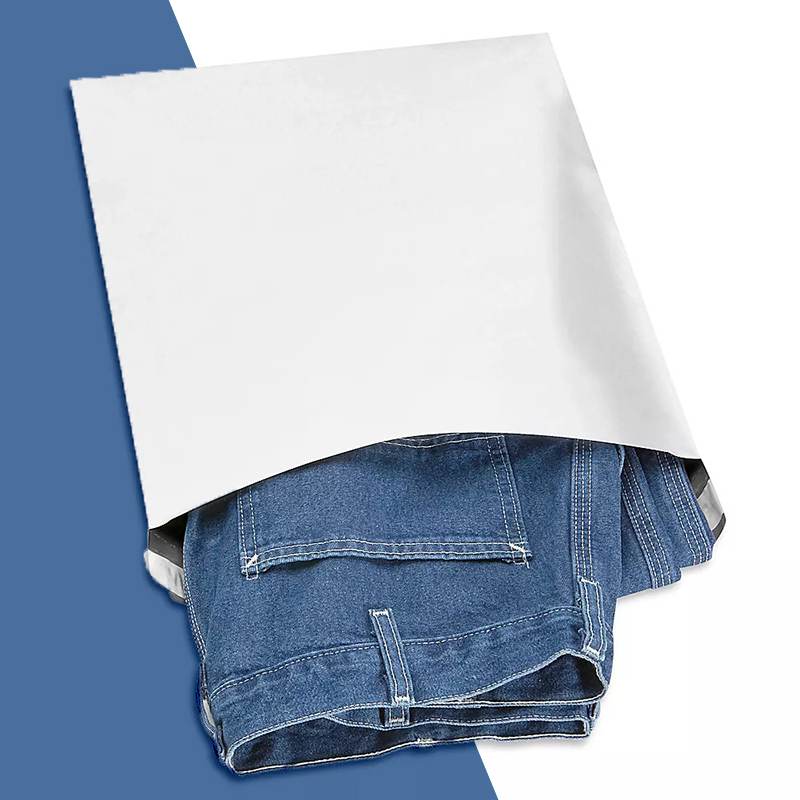
Self-Seal Poly Mailers
Repeated handling makes closure quality more consequential than usual.
Read the detail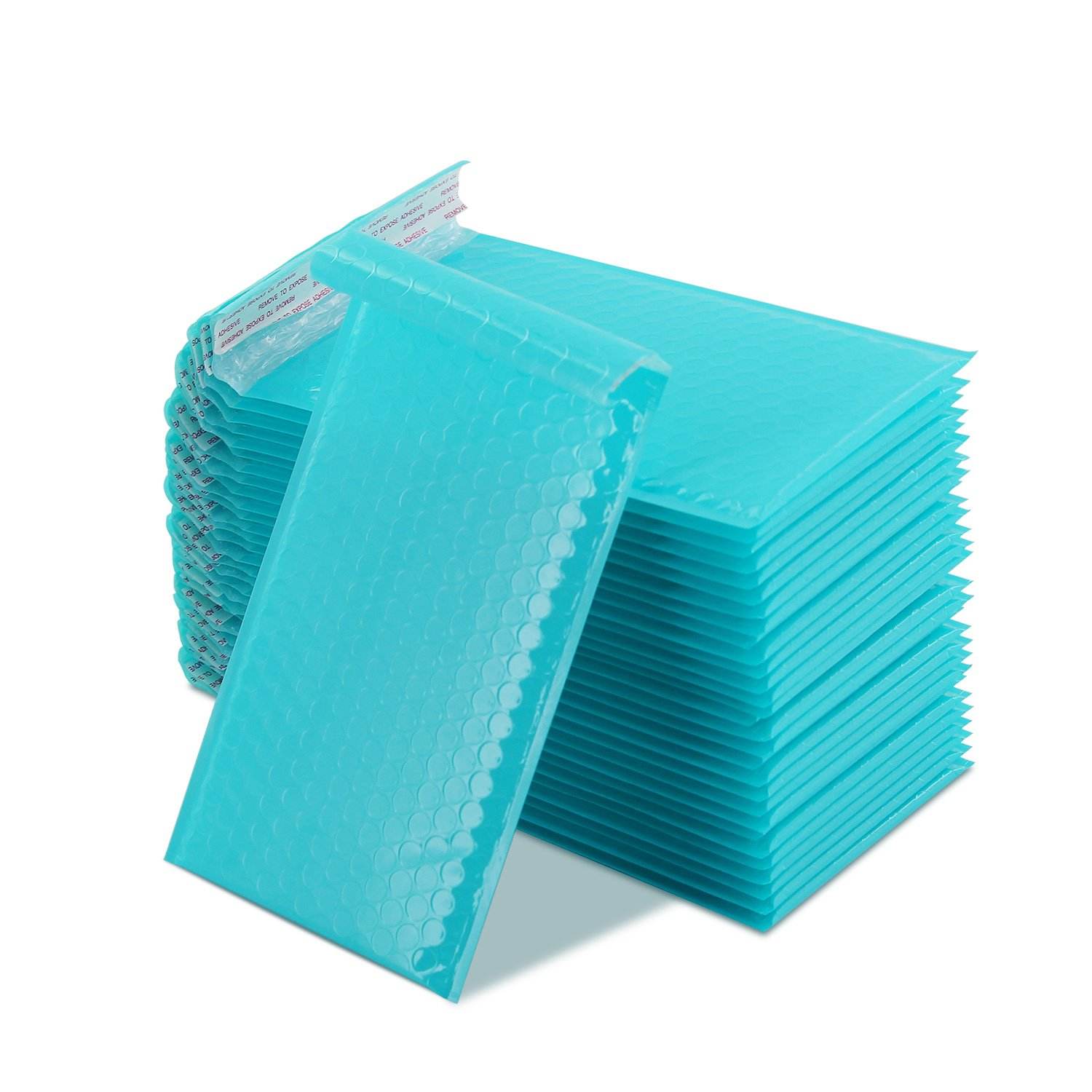
Padded Poly Mailers
Where a parcel will be sorted several times before it reaches anyone.
Read the detailCold weather and packaging behaviour
Both the film and the adhesive change in the cold.
Polyethylene becomes less flexible as temperature drops. A film that stretches and absorbs a knock at room temperature is more inclined to split at it in an unheated warehouse in February, particularly at a fold or a weld.
Adhesive behaves differently too. Pressure-sensitive adhesive bonds less readily to cold film, so a seal made on a cold bench with cold stock is weaker than the same seal made in a heated room — even when the packer did everything right.
The practical response is simple and costs nothing: bring stock into a heated space before packing rather than working straight from a cold store. Where that is not possible, a heavier film specification is a reasonable insurance against the cold-weather months.
Packaging for onward handling
A parcel that will be re-handled needs things a final-mile parcel does not.
It has to stack
A parcel that sits flat and square travels in a cage without being crushed by the ones on top. Gussets earn their cost here.
The label has to survive several scans
A label lifting at the edges causes an exception at every subsequent facility, not just one.
Seals get tested repeatedly
Each handling is another chance for a partial bond to open. Pressing the full length of the strip matters more here.
Contents cannot shift
Movement accumulates across handlings. A close fit is worth more than a heavier film.
Consolidating to move less air
Where shipments move between facilities before reaching a customer, every unnecessary cubic inch is paid for more than once. Consolidating multi-item orders into a single large mailer removes a whole shipment from the chain, though it is worth weighing a packed sample first because a consolidated parcel can cross a weight band that two smaller ones stayed below. The formats that make that practical are covered on the consolidation format page.
Questions from Illinois buyers
Do poly mailers get brittle in cold weather?
The film becomes less flexible, so it is more inclined to split at a fold or a weld than to stretch. Bringing stock into a heated space before packing removes most of the risk at no cost.
Why do seals fail more in winter?
Pressure-sensitive adhesive bonds less readily to cold film. A seal made on a cold bench with cold stock is weaker than the same seal made warm, even when the technique is correct. Warm the stock, not just the room.
What suits parcels that will be handled several times?
A close fit so contents cannot shift, a closure pressed along its full length, and a parcel shape that stacks. All three matter more when a shipment is handled four times rather than once.
Specify for repeated handling
Tell us how many times a parcel is handled before it reaches a customer. We will specify against that rather than against the final mile alone.