Shipping custom mailer orders to the United Kingdom
Poly Mailers for Leeds Businesses
Multi-channel retail creates a packaging problem that pure online businesses never face: the same order might be packed in a warehouse by a trained packer, or in a stockroom by a shop assistant between customers.
Both parcels reach the same customer and carry the same brand. Making them look and perform the same is a packaging and process decision rather than a training one.
Quote an order for Leeds
Tell us what you ship and where it goes. We confirm the specification, the schedule and the price by email.
Who buys mailers here
Sectors where poly mailers are genuinely the right packaging, with the reason each one appears rather than a generic list.
Multi-channel retail
Businesses fulfilling online orders from stores as well as from a central warehouse.
Fashion and homeware
Categories where store fulfillment is most common and presentation matters most.
Independent retail
Smaller businesses adding an online channel to a physical shop.
What we would suggest
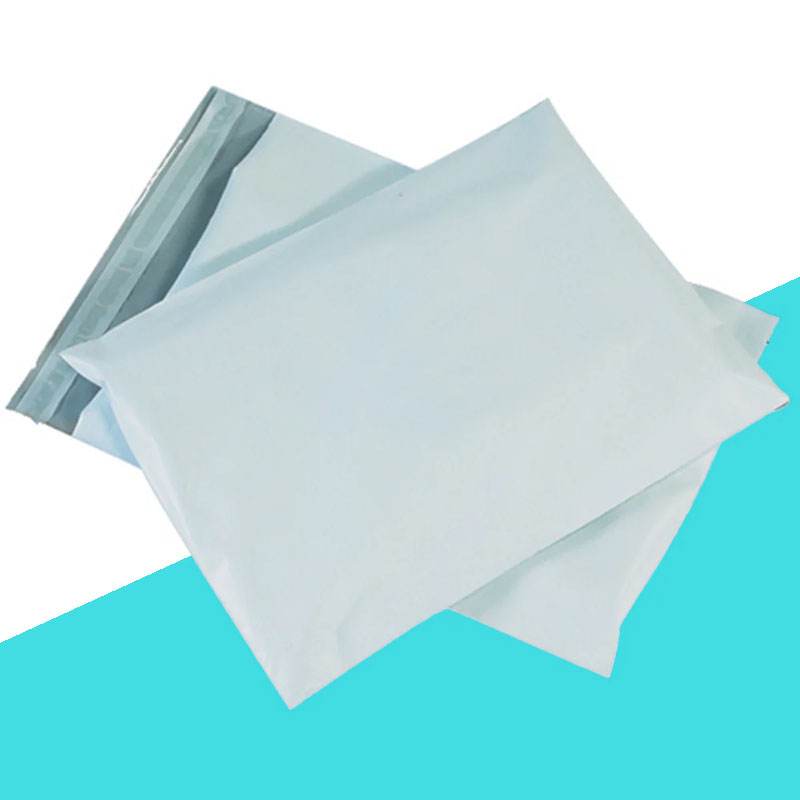
10x13 Poly Mailers
One size across every location removes the most common source of inconsistency.
Read the detail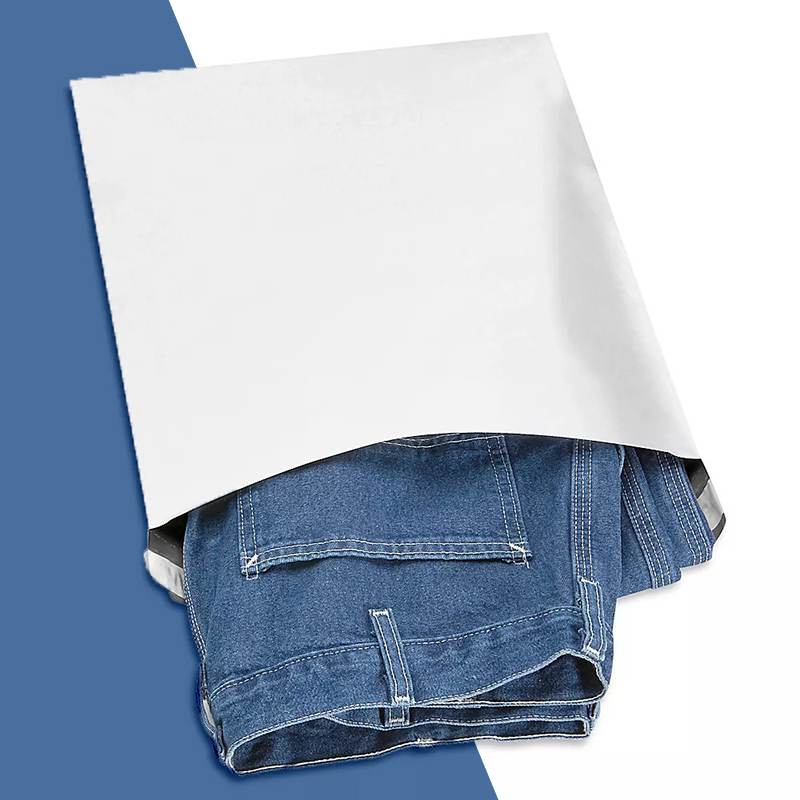
Self-Seal Poly Mailers
A closure that needs no tape is essential where there is no packing bench.
Read the detail
Custom Poly Mailers
A printed bag makes a store-packed parcel look identical to a warehouse-packed one.
Read the detail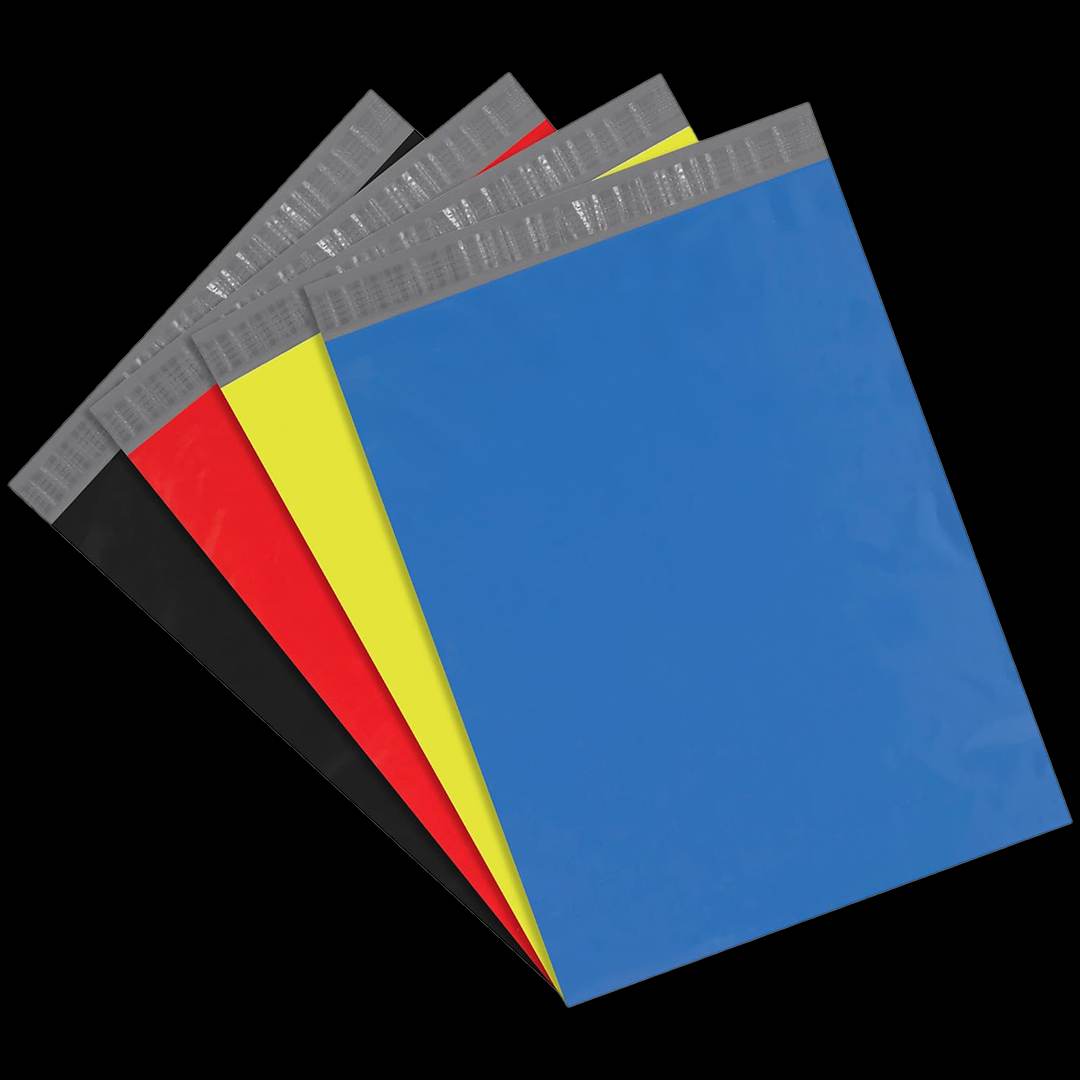
Colored Poly Mailers
Recognition that survives being packed by anyone, anywhere.
Read the detailWhat makes store fulfillment inconsistent
Four causes, all fixable with packaging and process rather than training.
No dedicated bench
A parcel packed on a shop counter between customers is packed differently from one on a warehouse line.
Whatever packaging is to hand
If the right bag has run out in a store, something else gets used, and the customer sees the difference.
Different people every time
Store staff pack occasionally rather than constantly, so technique varies more.
No standard for label placement
Which is the most visible inconsistency of all, and the easiest to fix.
Making every location pack the same parcel
Five steps, in order of how much difference they make.
Reduce to one size wherever possible
A single size removes the decision that store staff are least equipped to make.
Use a closure that needs nothing else
No tape, no scissors, no dispenser to be missing from a stockroom.
Put a card at every packing point
Fold, bag, seal, label position. Four lines, laminated, wherever an order might be packed.
Distribute packaging centrally
Stores should never buy their own, because that is where inconsistency enters.
Check a store-packed parcel yourself
Order one. It is the only way to see what your customers are actually receiving.
The case for printing
A printed mailer is unusually valuable in a multi-channel operation, because it makes every parcel identifiably yours regardless of who packed it or where. It also removes the temptation for a store to substitute something else, since nothing else looks like it. What a printed run involves and what to settle first is set out on the custom printed mailer page.
Questions from Leeds buyers
How do I keep store-packed and warehouse-packed orders consistent?
Reduce to one size, use a closure that needs no tape, put a short instruction card at every packing point and distribute packaging centrally. Consistency here is a process problem rather than a training one.
Should stores order their own packaging?
No. It is the most common source of inconsistency in multi-channel retail, because a store that runs out will use whatever is available and the customer sees the difference.
Is printed packaging worth it for store fulfillment?
It is unusually valuable here, because it makes every parcel identifiably yours whoever packed it, and it removes the option of substituting something else when stock runs low.
Why do Leeds store-packed parcels look different from centrally packed ones?
Stores rarely have a dedicated packing bench, staff pack occasionally rather than constantly, and whatever bag is to hand gets used when the right one runs out. Label placement also varies. Packaging and simple process rules fix most of it, not extra training.
Which single mailer size works across Leeds stores and central packing?
For fashion and many homeware lines, a 10x13 covers most orders and removes the size decision that store staff are least equipped to make. Keep one larger size for exceptions. Test both with real orders before standardizing across every location.
What should a packing card in a Leeds stockroom say?
Keep it to four lines covering fold, bag, seal and label position, laminated and placed wherever an order might be packed. Short, visual rules give occasional packers a consistent result without slowing down the shop counter between customers.
Why should Leeds retailers distribute mailers centrally to each store?
When stores buy their own packaging, inconsistency enters straight away through different bags, sizes and suppliers. Central distribution keeps one specification everywhere. Placing one test order fulfilled from a store is the simplest way to see what customers actually receive.
Do colored mailers help Leeds independent shops adding an online channel?
Yes. A distinctive color gives recognition that survives being packed by anyone, anywhere, without the commitment of a full printed design. It is a sensible first step for an independent shop, and it can move to a printed run once volumes settle.
Do Leeds stores need a self-seal closure on their poly mailers?
Practically, yes. A self-seal strip needs no tape, scissors or dispenser, which matters on a shop counter with no packing bench. Make sure staff press the full length of the strip, since a folded but unpressed closure is a common failure.
How do Leeds multi-channel retailers start a quote for consistent mailers?
Tell us how many places an order might be packed, what you sell and roughly how many orders each location ships. We will specify something that works in a stockroom as well as on a central packing line. Read what goes into a custom printed mailer run.
Standardize across locations
Tell us how many places an order might be packed. We will specify something that works in a stockroom as well as a warehouse.