Shipping custom mailer orders to the United Kingdom
Poly Mailers for Manchester Businesses
Manchester’s online fashion sector runs on a demand pattern most packaging planning ignores: not steady growth, but bursts. A campaign, a drop, a flash sale, and a day’s volume that would ordinarily be a fortnight’s.
Packaging planned against a monthly average will fail during those bursts, and packaging planned against the burst sits idle for the rest of the year. The answer is to plan for both explicitly.
Quote an order for Manchester
Tell us what you ship and where it goes. We confirm the specification, the schedule and the price in writing.
Who buys mailers here
Sectors where poly mailers are genuinely the right packaging, with the reason each one appears rather than a generic list.
Online fashion
A substantial cluster of high-volume, campaign-driven retailers.
Fulfilment and logistics
Operations built around handling burst volume for others.
Creative and merchandise
Music and event-linked merchandise with similarly spiky demand.
What we would suggest
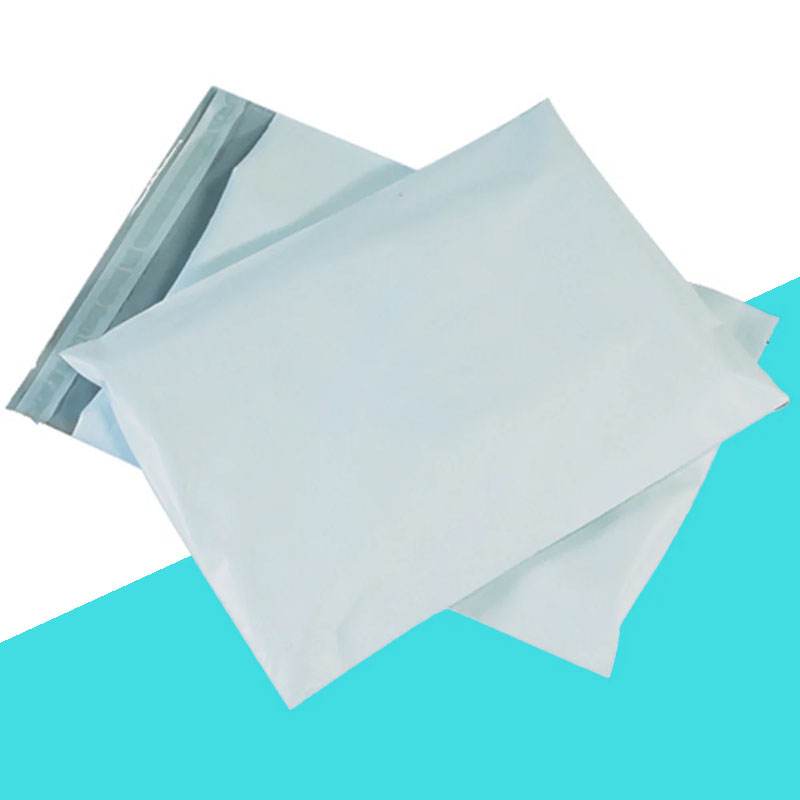
10x13 Poly Mailers
One standard size is what makes a burst survivable at the bench.
Read the detail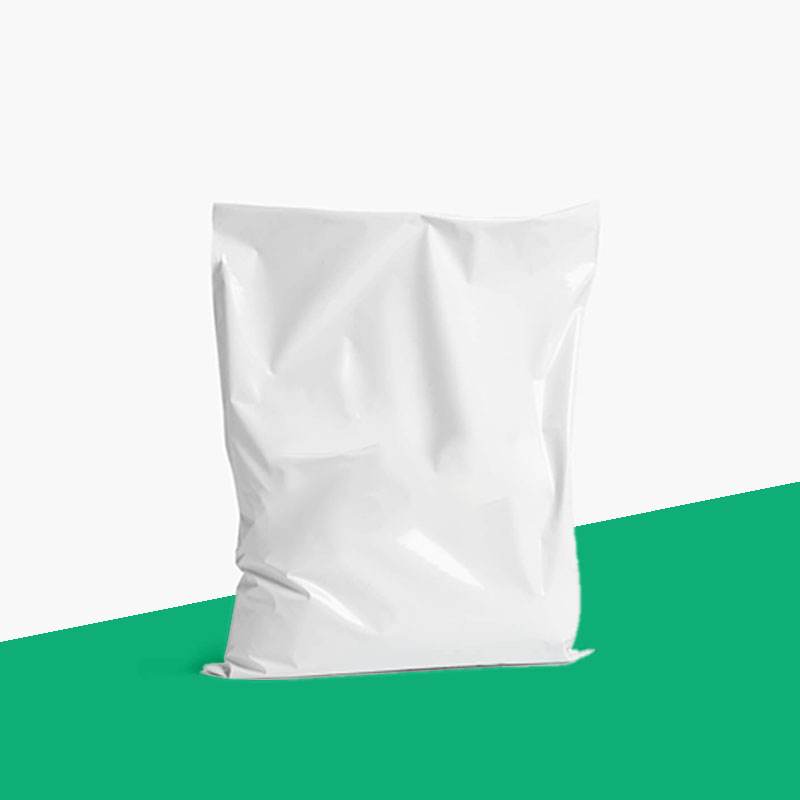
Economy Poly Mailers
At burst volumes, unit cost compounds faster than at any other time.
Read the detail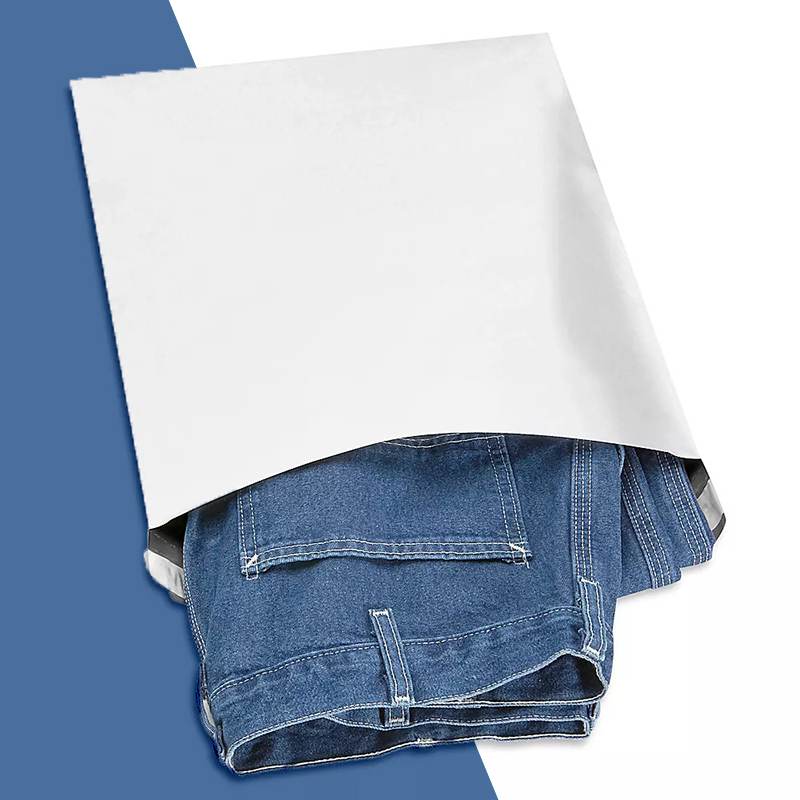
Self-Seal Poly Mailers
Seconds per parcel matter most on the day you are shipping the most.
Read the detail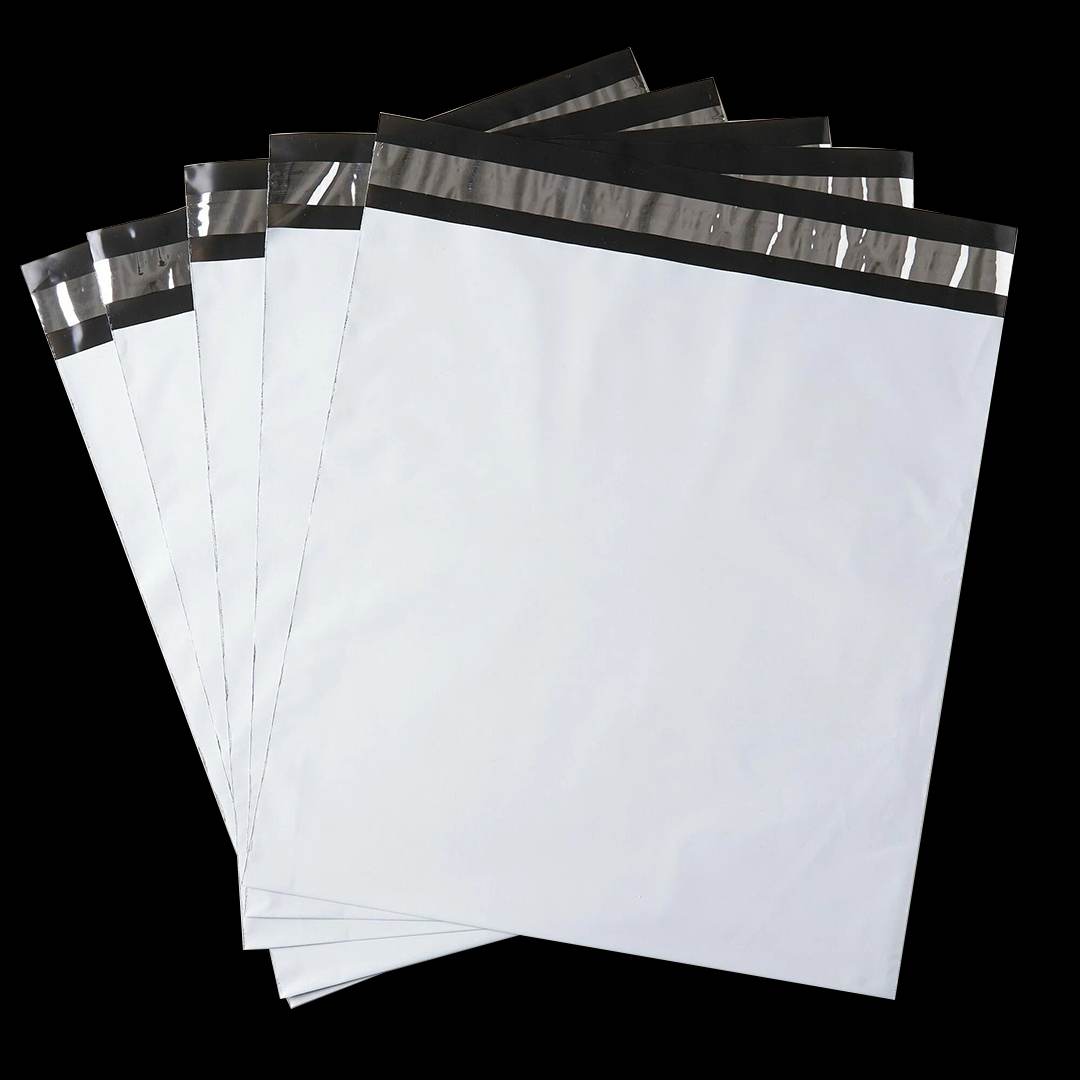
Blank Poly Mailers
The fallback stock that means a burst never stops for want of a printed bag.
Read the detailPlanning for a burst
Five things to do before a campaign rather than during one.
Forecast the burst, not the month
The number that matters is parcels on the busiest day, because that is what has to be on the bench.
Simplify the size range before the campaign
Temporary staff and time pressure both punish complexity. Fewer sizes, written rules.
Hold plain stock underneath
So a shortfall in a branded line never stops orders going out.
Pre-stage packaging at the bench
Cartons opened and positioned before the day, not during it.
Plan the returns wave
A burst of orders becomes a burst of returns a fortnight later. Decide now how they will be repacked.
What fails during a burst
Almost never the packaging. Four things that do.
Seals, because pressing gets skipped
Under time pressure packers fold rather than press, and a partial bond opens in the network.
Size selection
The wrong bag gets grabbed, which shows up as damage and as shipping cost the following month.
Label placement
Rushed labels across folds lift and generate delivery exceptions.
Stock availability
Running out mid-burst is the most expensive packaging failure there is.
The returns wave
A campaign that ships a fortnight of volume in a day generates a fortnight of returns in a day, roughly two weeks later, and that second wave is where the packaging decision pays off or does not. A double-strip closure means every one of those returns arrives in the original bag rather than in whatever the customer found. The arithmetic is set out on the closure options page.
Questions from Manchester buyers
How much packaging should I hold for a campaign?
Enough for the busiest day plus a working buffer, held before the campaign rather than ordered during it. Running out mid-burst is the most expensive packaging failure available.
Why do seal failures rise during busy periods?
Because pressing gets skipped. Under time pressure packers fold the flap and move on, which creates a partial bond that survives the bench and opens later in the network.
Should I simplify the size range before a peak?
Yes. Complexity that is manageable on a normal day becomes error under pressure, particularly with temporary staff. Fewer sizes with written rules costs less than a perfectly optimised range nobody applies.
Prepare for a peak
Tell us your busiest-day volume rather than your monthly average. We will quote against the day that actually matters.