Serving customers in the United States
Poly Mailers for Minnesota Businesses
Minnesota has a concentration of large retail organisations, and that produces a specific packaging conversation: businesses supplying into retail, where the packaging specification arrives from the buyer rather than being chosen by the supplier.
It is a different exercise from specifying your own packaging. The requirement is fixed, the room for judgement is narrow, and the value we add is in satisfying it exactly rather than in recommending something better.
Quote an order for Minnesota
Tell us what you ship and where it goes. We confirm the specification, the schedule and the price in writing.
Who buys mailers here
Sectors where poly mailers are genuinely the right packaging, with the reason each one appears rather than a generic list.
Retail suppliers and own-brand producers
Businesses packaging goods to a retailer’s written specification.
Consumer goods manufacturing
Producers shipping into both retail and direct channels with different requirements for each.
Medical and health products
A significant regional presence, with the documentation habits that come with it.
Direct-to-consumer brands
Own-channel businesses, often the same producers selling both ways.
What we would suggest
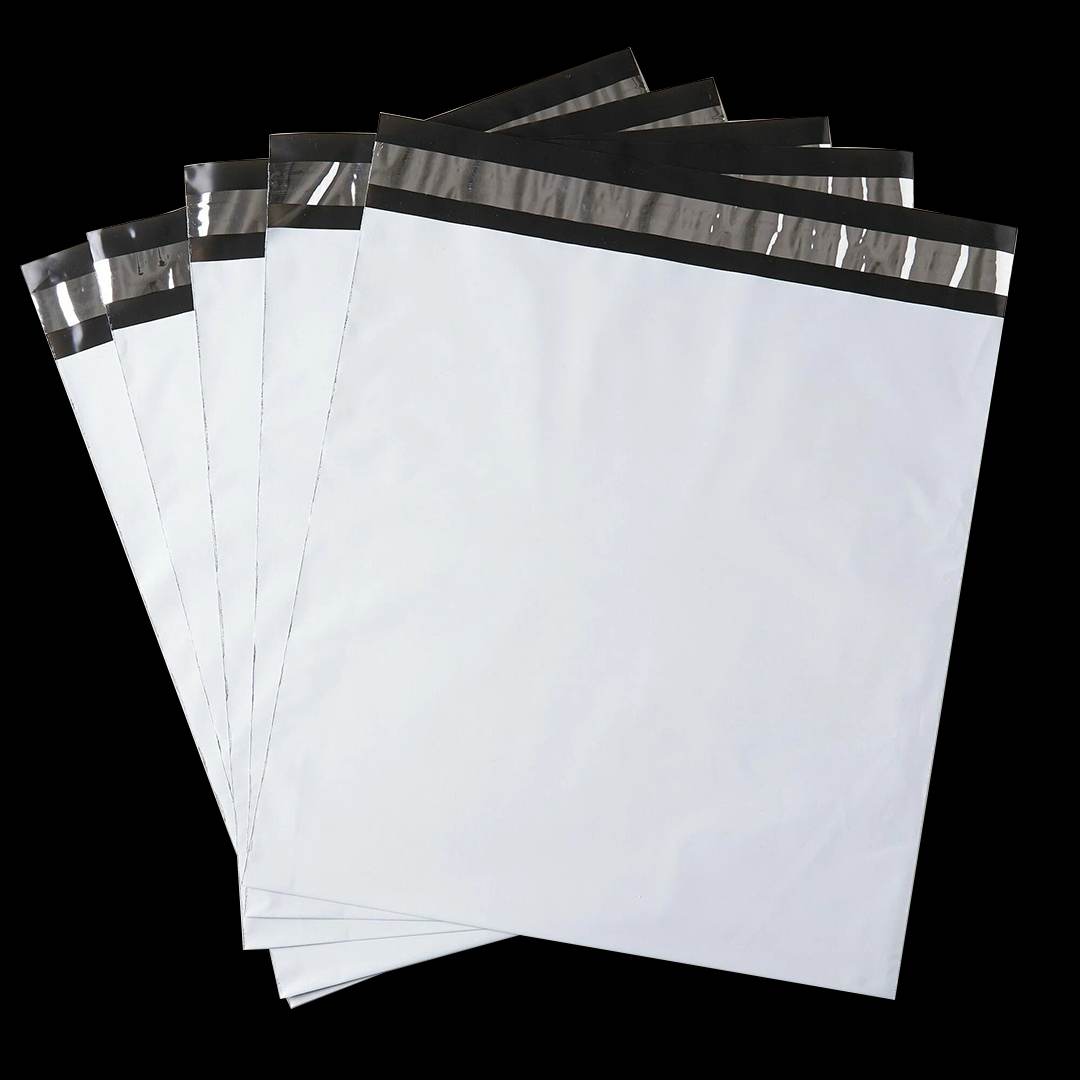
Blank Poly Mailers
Own-brand and retail supply rarely permits a supplier’s branding on the packaging.
Read the detail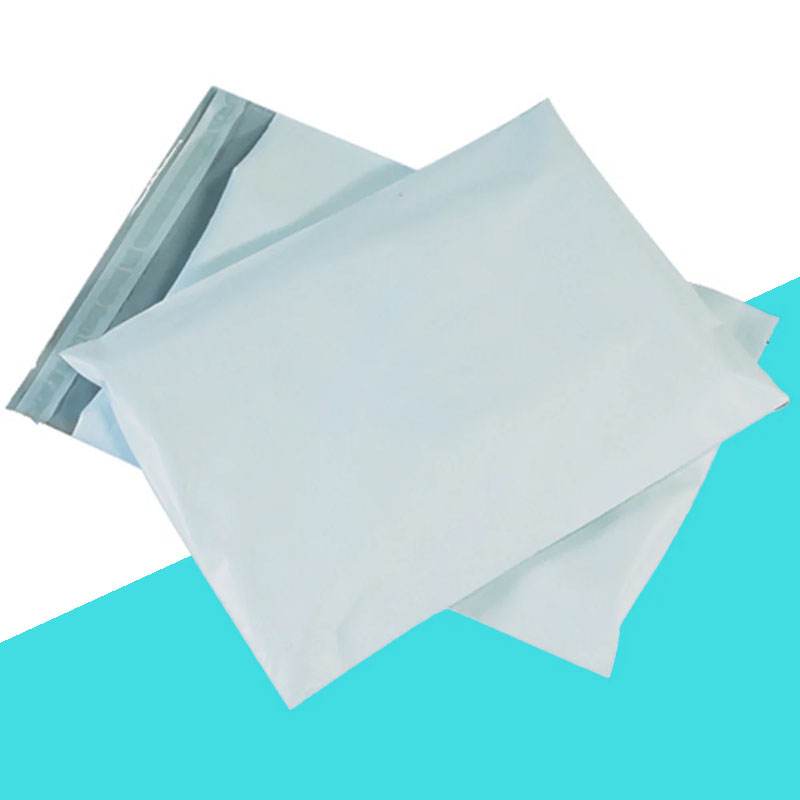
10x13 Poly Mailers
The format most commonly accepted where a poly bag is permitted.
Read the detail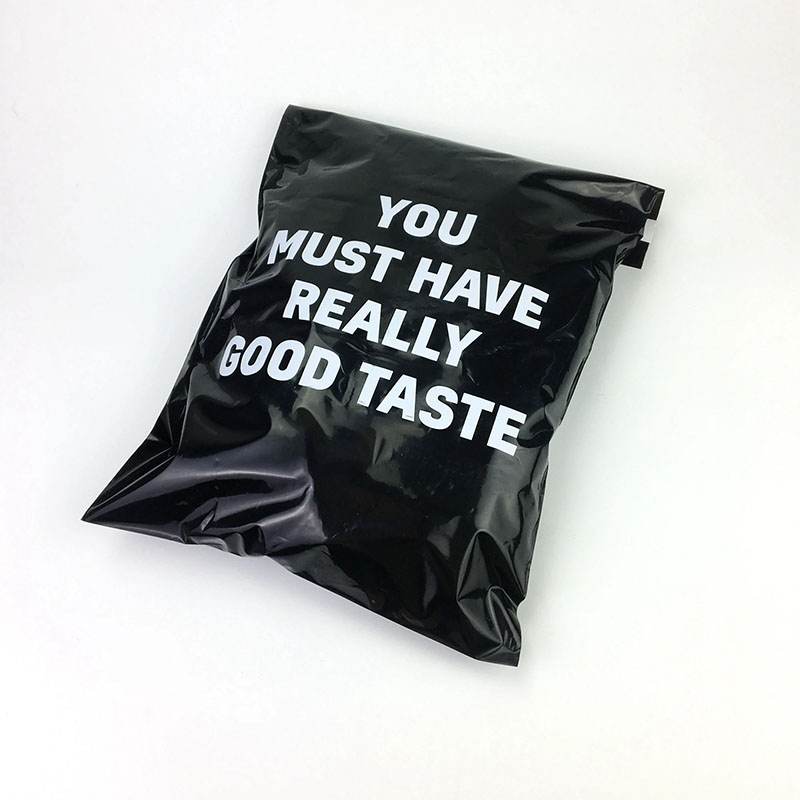
Custom Poly Mailers
Where the retailer requires specific printed information on the bag itself.
Read the detail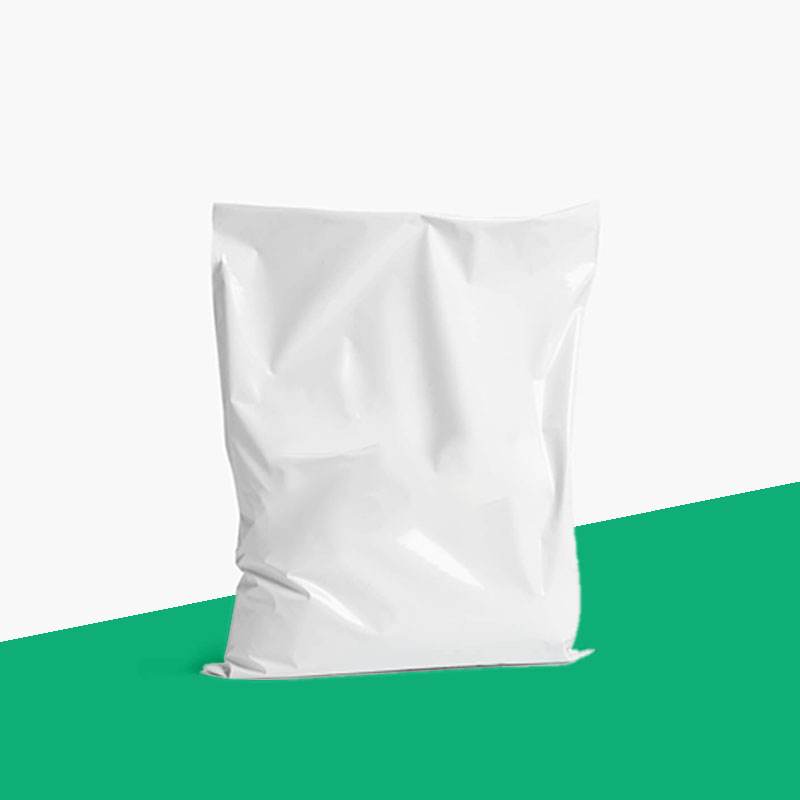
Economy Poly Mailers
When the format is fixed, cost per unit becomes the remaining variable.
Read the detailWhat a retail packaging specification usually covers
Send us the document rather than a summary. These are the parts that most affect what can be quoted.
Permitted formats
Whether a poly bag is acceptable at all for the product category, which is not universal.
Required printed information
Warnings, barcodes, origin marking. These have to be printed rather than applied as a sticker in most specifications.
Labelling position and size
Frequently prescribed, and it can rule out artwork on a whole panel.
Bag and case quantities
How many per bag, per case and per pallet, often with prescribed marking.
Perforation requirements
Vent or suffocation-warning requirements for bags containing consumer goods.
Two channels, two specifications
Most businesses in this position sell both into retail and directly to consumers, and the temptation is to run one bag for both. It rarely works.
The retail bag is built to satisfy a document: plain, prescribed, carrying required wording, with no room for brand expression. The direct bag is built to be seen by a customer: coloured, printed, designed around an unboxing rather than around an inbound goods check.
Trying to satisfy both with one specification generally produces a bag that satisfies the retailer and disappoints the customer, because the retail requirements are non-negotiable and the brand ones are not. Two lines, quoted together to share setup where the film matches, is usually both better and cheaper than the compromise.
Keeping a retail specification stable
Once a packaging specification has been accepted by a retail buyer, changing it is an administrative exercise rather than a purchasing one. That makes consistency across reorders worth more than a marginal saving, and it is worth telling us that at quotation stage so the requirement is quoted as a requirement. What we state and how we handle a material change is set out on the custom order policy.
Questions from Minnesota buyers
Can you quote against a retailer’s packaging specification?
Yes, and sending us the actual document rather than a summary is the fastest route. Printed warnings, labelling positions and case marking all affect what can be quoted, and they are easier to satisfy than to retrofit.
Should retail and direct-to-consumer orders use the same bag?
Usually not. Retail requirements are fixed and leave little room for brand expression, so a single compromise bag tends to satisfy the retailer and disappoint the customer. Two specifications quoted together often costs less than expected.
Can required warnings be printed rather than applied as labels?
Yes, and most retail specifications prefer or require it. Printing is also faster and more reliable per unit at volume than applying a sticker to every bag.
Meet a retail specification
Send us the packaging document from your retail buyer and we will quote something that satisfies it exactly.