Quote support for Canadian businesses
Poly Mailers for Toronto Businesses
A large share of what leaves Toronto crosses a border, and a cross-border parcel is a different object from a domestic one. It carries paperwork, it may be inspected, and it passes through more custody changes on the way.
Packaging cannot make customs simpler. What it can do is stop the documentation coming adrift, survive being opened and resealed, and avoid drawing attention it does not need.
Quote an order for Toronto
Tell us what you ship and where it goes. We confirm the specification, the schedule and the price in writing.
Who buys mailers here
Sectors where poly mailers are genuinely the right packaging, with the reason each one appears rather than a generic list.
Ecommerce selling into the US
Own-channel brands with a customer base on both sides of the border.
Fashion and apparel
A substantial base selling direct, much of it cross-border.
Distribution and fulfilment
Operations serving both markets from one location.
What we would suggest
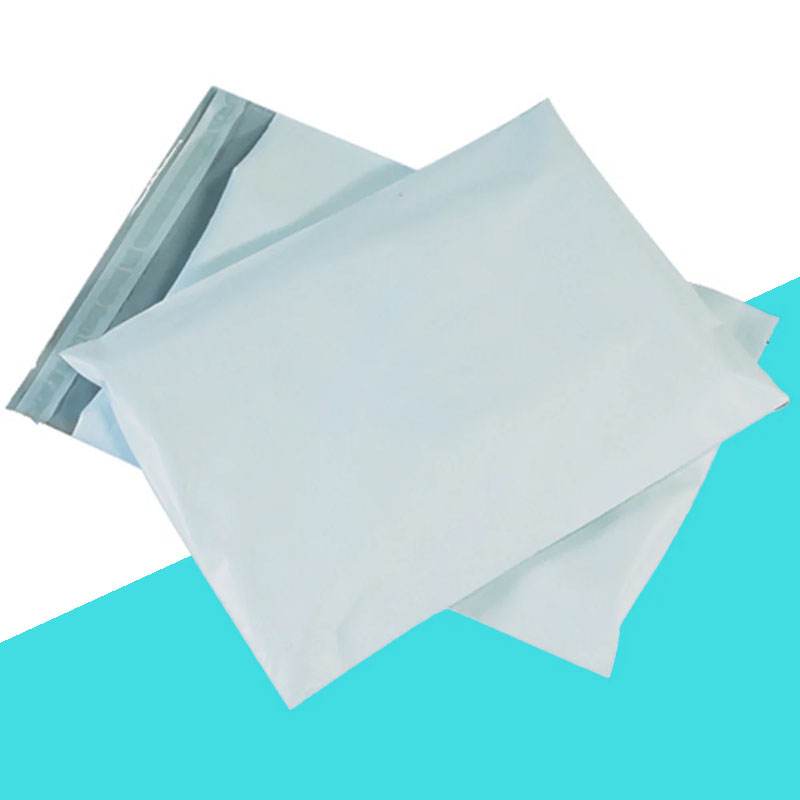
10x13 Poly Mailers
The general-purpose format for cross-border apparel and small goods.
Read the detail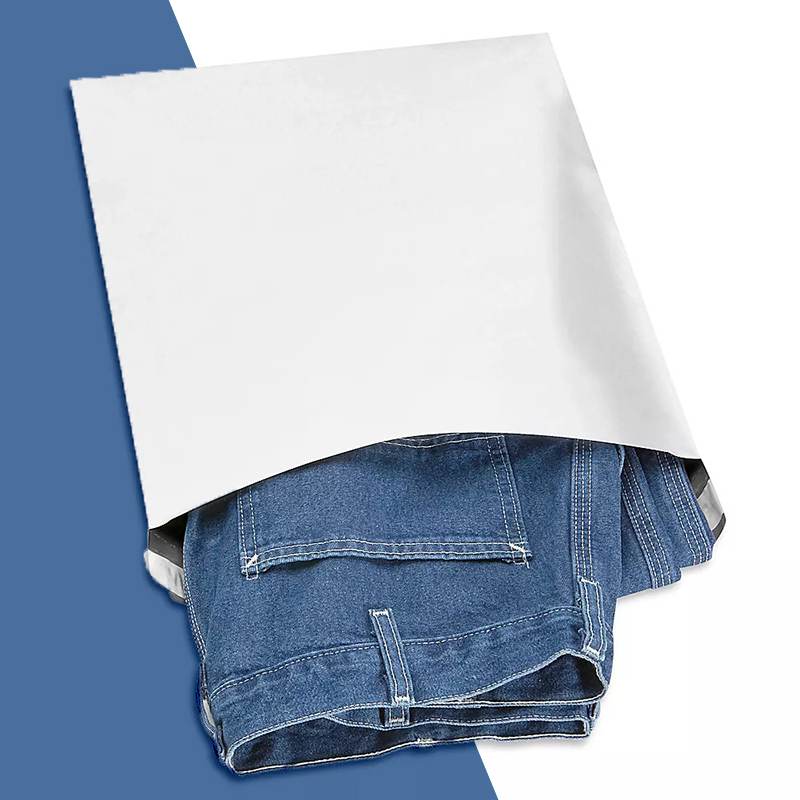
Self-Seal Poly Mailers
A parcel opened for inspection should be resealable rather than replaced.
Read the detail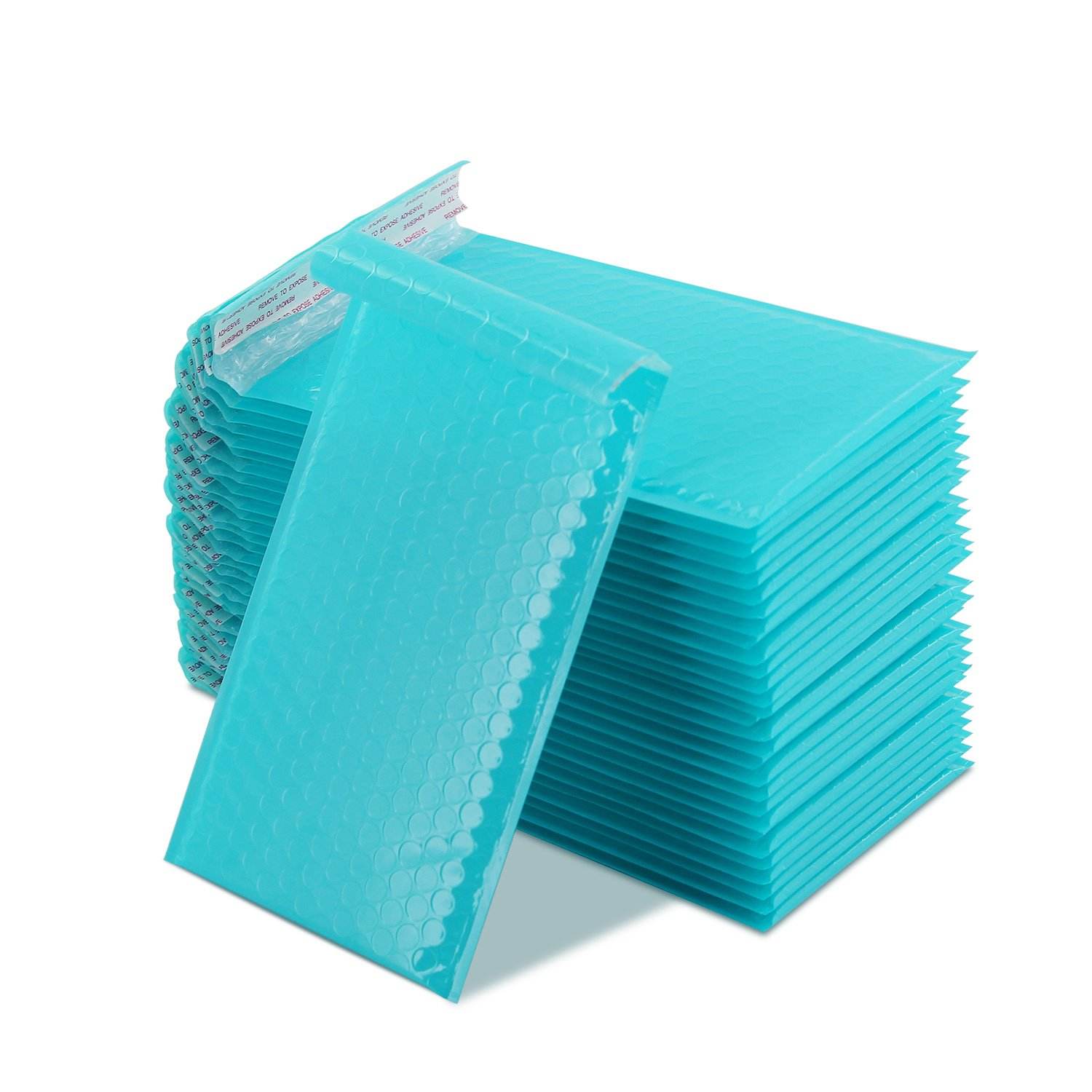
Padded Poly Mailers
More custody changes mean more handling than a domestic parcel sees.
Read the detail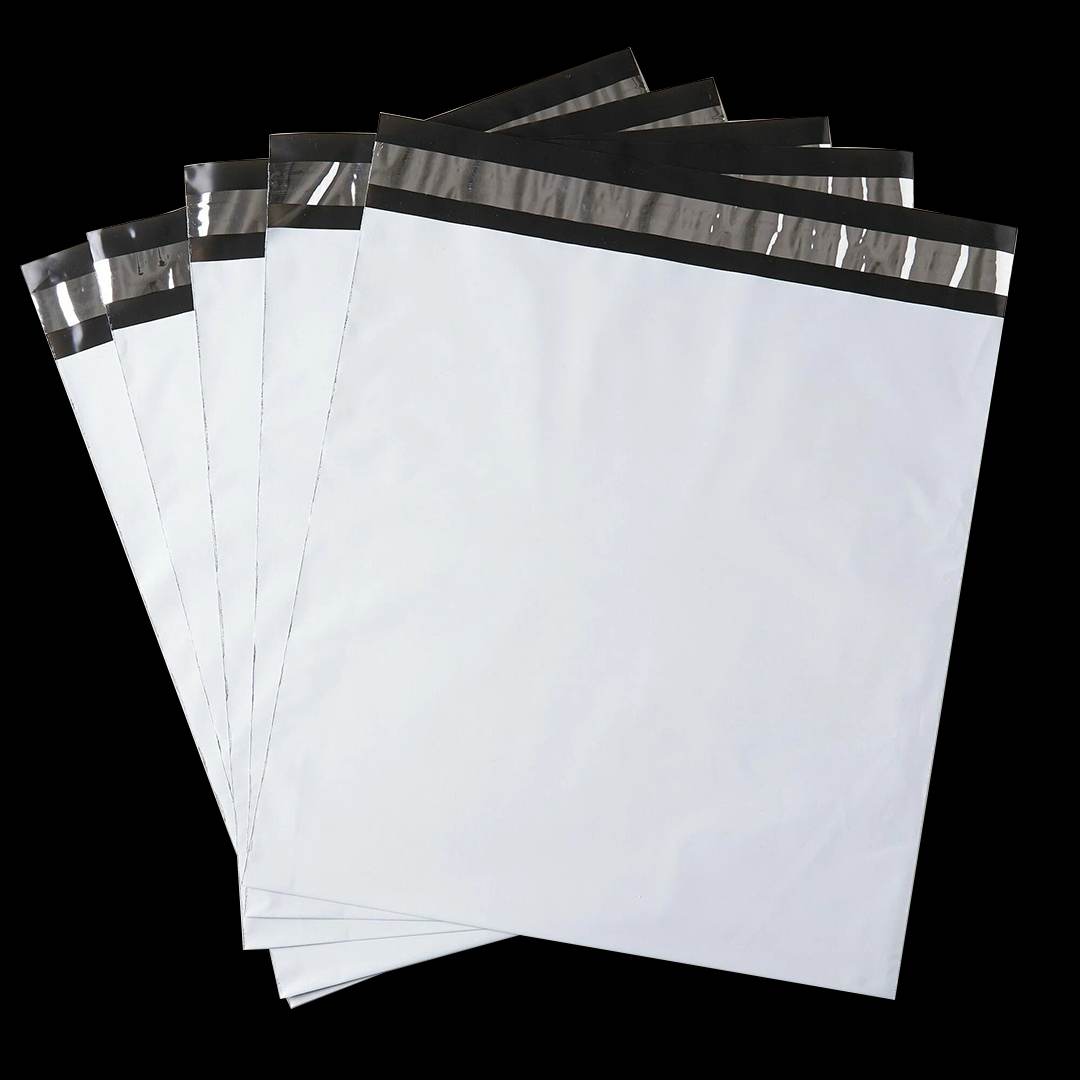
Blank Poly Mailers
Cross-border shipping benefits little from branding on the outer.
Read the detailWhat a border adds to a parcel
Four things, all of which the packaging has to accommodate.
Documentation that must stay attached
A pouch or label that lifts is a customs problem rather than a cosmetic one, and a flexible bag is a harder surface to attach to than a carton.
The possibility of inspection
A parcel opened by an authority should still arrive intact, which favours a resealable closure over a single-use one.
More custody changes
Each transfer is another handling event, and another test of a seal that was only partially pressed.
Longer dwell time
Parcels can sit at a border facility, which extends exposure to whatever conditions are there.
Attaching documents to a flexible parcel
The single most common cross-border packaging failure is not damage. It is a document pouch or label that comes away, and it produces a delay that is disproportionate to the cost of preventing it.
Two things help, both about shape rather than material. Applying documentation to a flat, taut area rather than across a fold or a bulge, which means packing the parcel flat rather than accepting whatever shape it becomes. And using a slightly heavier film, which flexes less and therefore lifts edges less.
If a shipment requires a documents-enclosed pouch specifically, say so at specification stage. It changes the recommended format and it is easier to plan for than to retrofit.
Ordering packaging across a border
The same considerations apply to the packaging order itself. Documentation, charges and delivery arrangements are confirmed in writing on your quotation rather than assumed, and they differ by destination and by shipping arrangement. What to settle before placing an order into a market you have not ordered into before is set out in the international ordering guide.
Questions from Toronto buyers
What packaging suits cross-border shipping?
A parcel packed flat so documents can be applied to a taut surface, a resealable closure in case of inspection, and a slightly heavier film that flexes less. The most common failure is documentation coming adrift rather than damage.
What happens if a parcel is opened at the border?
It should be resealable rather than needing replacement, which is a strong argument for a double-strip closure on cross-border flows. A single-use closure means a parcel opened for inspection continues its journey compromised.
Do you ship packaging orders to Canada?
Yes. Orders are produced to your specification and shipped to your Canadian address, with documentation, charges and arrangements confirmed in writing on the quotation rather than assumed.
Ship across the border
Tell us where parcels go and how they travel. We will specify for the extra handling and the paperwork rather than for a domestic journey.