Serving customers in the United States
Poly Mailers for Virginia Businesses
Returns processing is a genuine industry, and it has a packaging problem almost nobody designs for. Most packaging is specified for the journey out. The journey back is handled by whatever the customer can find in a cupboard, which is why returns arrive damaged, unidentifiable and expensive to process.
For an operation that handles returns at volume, packaging decisions made at the outbound stage determine how much the inbound stage costs. That relationship is what this page is about.
Quote an order for Virginia
Tell us what you ship and where it goes. We confirm the specification, the schedule and the price in writing.
Who buys mailers here
Sectors where poly mailers are genuinely the right packaging, with the reason each one appears rather than a generic list.
Returns processing and refurbishment
Operations whose entire input arrives in packaging chosen by somebody else.
Ecommerce fulfilment
Distribution positioned for the eastern seaboard, with the return volumes that follow.
Apparel and footwear
The categories with the highest return rates in retail.
Consumer electronics resale
Where an item’s condition on return is the whole value proposition.
What we would suggest
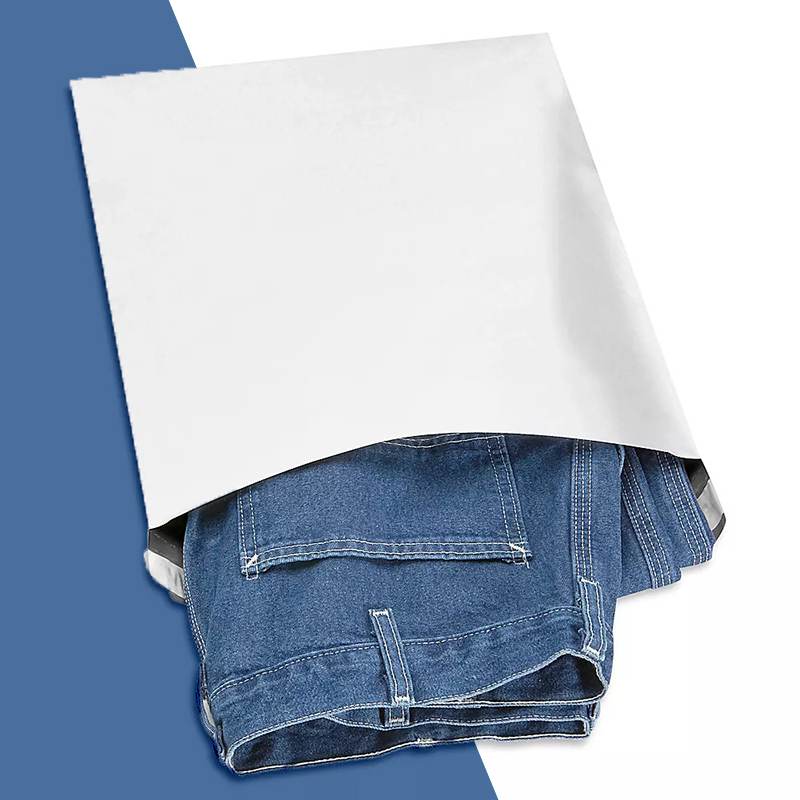
Self-Seal Poly Mailers
The double-strip closure is the single change that most improves a returns process.
Read the detail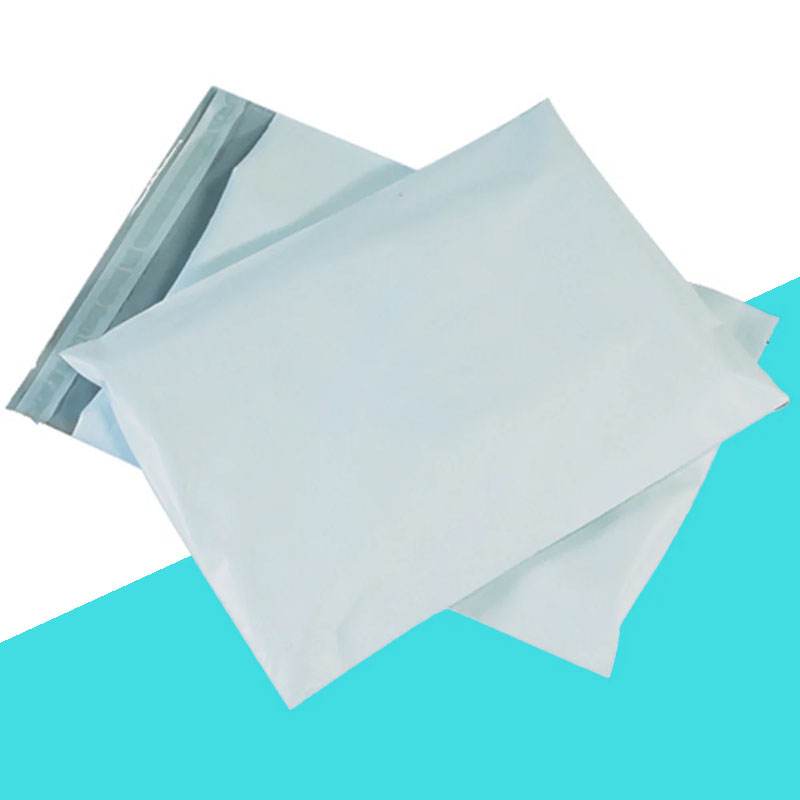
10x13 Poly Mailers
Standardising the outbound size makes the inbound process predictable.
Read the detail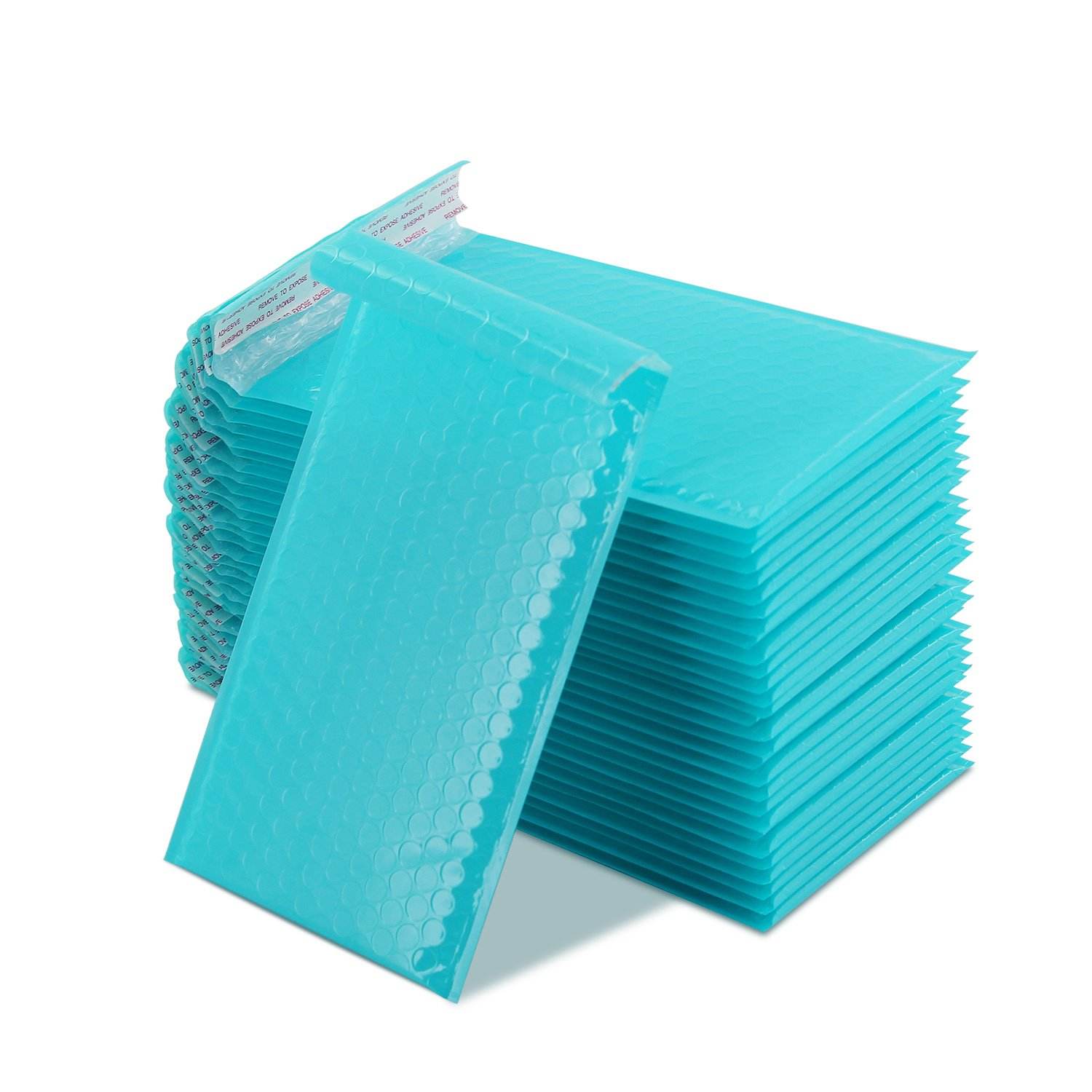
Padded Poly Mailers
Returns arrive packed by amateurs; cushioning absorbs the difference.
Read the detail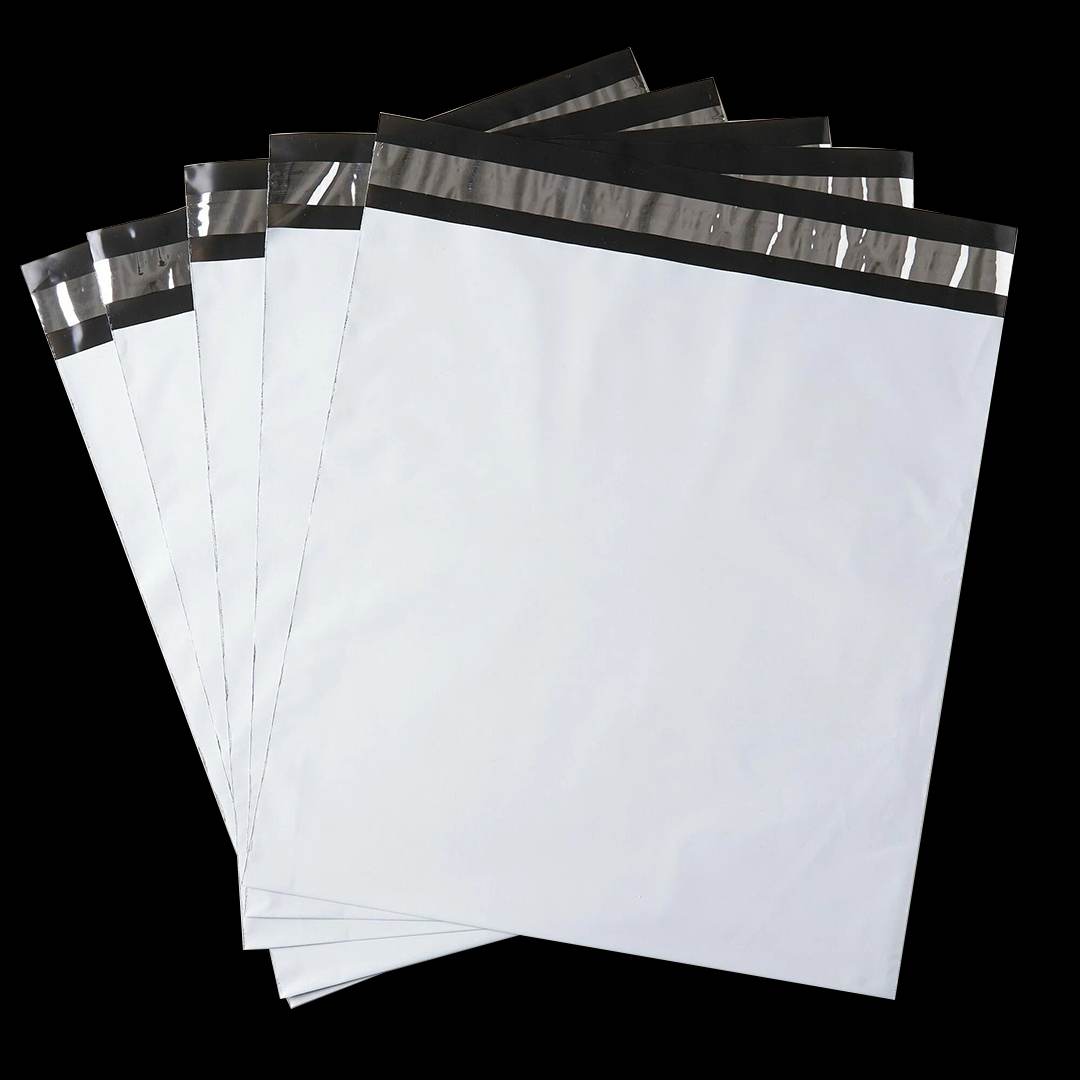
Blank Poly Mailers
Returns bags supplied to customers rarely need branding.
Read the detailThe return is packed by someone untrained
And that fact should shape the outbound decision.
A customer repacking a return has no bench, no training and no incentive beyond getting it out of the house. If they have to find their own packaging, you will receive items in cereal boxes, in bags that split, and in parcels with three labels on them.
A second adhesive strip on the outbound mailer removes all of that. The customer opens along a tear line, puts the item back, peels the second strip and seals it. The parcel arrives in the packaging you chose, at the size you expected, with your original label removed and a return label in a predictable place.
The saving is not the bag. It is the reduction in damaged returns, the consistency of what arrives at the processing bench, and the support contacts you no longer field about how to send something back.
Three ways to handle returns packaging
Each shifts the cost somewhere different.
| Approach | Cost falls on | Condition on arrival |
|---|---|---|
| Customer finds their own | Nobody visibly — until processing | Unpredictable, frequently damaged |
| Include a separate returns bag | Every outbound order, used or not | Good |
| Double-strip outbound mailer | Every outbound order, small premium | Good, and no second item to include |
The third is usually cheapest overall, because the second option pays for a returns bag on every order including the ones that never come back.
What makes a return cheap to process
Four things, all decided before the parcel ever went out.
It arrives in a known size
A predictable parcel can be handled on a standard bench setup rather than assessed individually.
The contents are undamaged
Which depends on the customer having adequate packaging, which depends on you having supplied it.
It is identifiable
A returns process that has to open a parcel to find out what it is has already lost the efficiency.
The old label is gone
A printed tear line that removes the original label area solves a problem that otherwise needs a sticker.
Getting the closure right
Everything on this page depends on one specification decision, and it is a small one: whether the outbound mailer carries a second adhesive strip. The premium is modest, and in a category with fashion-level return rates it usually pays for itself immediately in packaging you no longer supply separately. The construction options and how they behave are set out on the closure options page.
Questions from Virginia buyers
What is the cheapest way to handle returns packaging?
A second adhesive strip on the outbound mailer, in most cases. Including a separate returns bag pays for one on every order including the ones that never come back; the double strip costs a small premium and covers the same job.
How do I stop returns arriving damaged?
Supply the packaging they come back in. A customer repacking without suitable packaging will use whatever is in the house, and the condition of what arrives reflects that.
Should returns mailers be branded?
There is little benefit. A returns parcel is seen by your own processing team rather than by a customer, so plain stock is the sensible specification.
Cut the cost of returns
Tell us your return rate and how returns currently arrive. We will quote an outbound specification designed around the journey back.