Serving customers in the United States
Poly Mailers for Florida Businesses
Two things shape packaging decisions in Florida more than anywhere else we supply. The first is humidity, which affects both stored packaging and parcels in transit. The second is a retail calendar driven by seasonal visitors rather than by a steady local base.
Both push in the same direction: film outers rather than paper, storage discipline, and ordering timed against a season rather than against a flat monthly rate.
Quote an order for Florida
Tell us what you ship and where it goes. We confirm the specification, the schedule and the price in writing.
Who buys mailers here
Sectors where poly mailers are genuinely the right packaging, with the reason each one appears rather than a generic list.
Swimwear and resort apparel
A category concentrated here, and one where parcels are frequently delivered to hotels and rentals rather than homes.
Seasonal retail and gift
Businesses whose year is shaped by visitor seasons rather than by an even monthly pattern.
Marine and outdoor accessories
Products where the packaging genuinely has to keep water out rather than merely look like it does.
Beauty and cosmetics
A strong direct-selling presence, with the same fragile-carton problem the category has everywhere.
What we would suggest
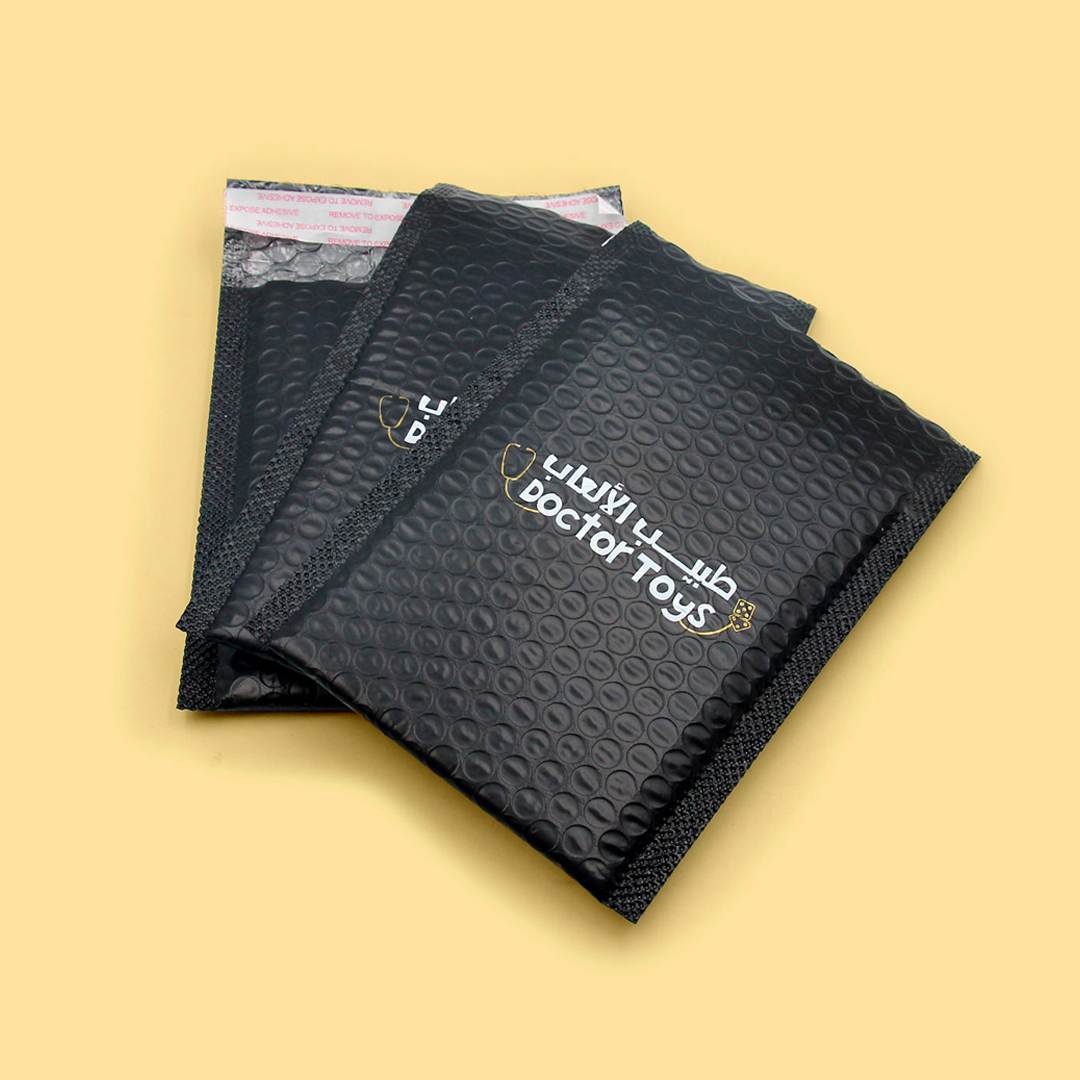
Poly Bubble Mailers
A film outer that keeps humidity and rain away from the contents.
Read the detail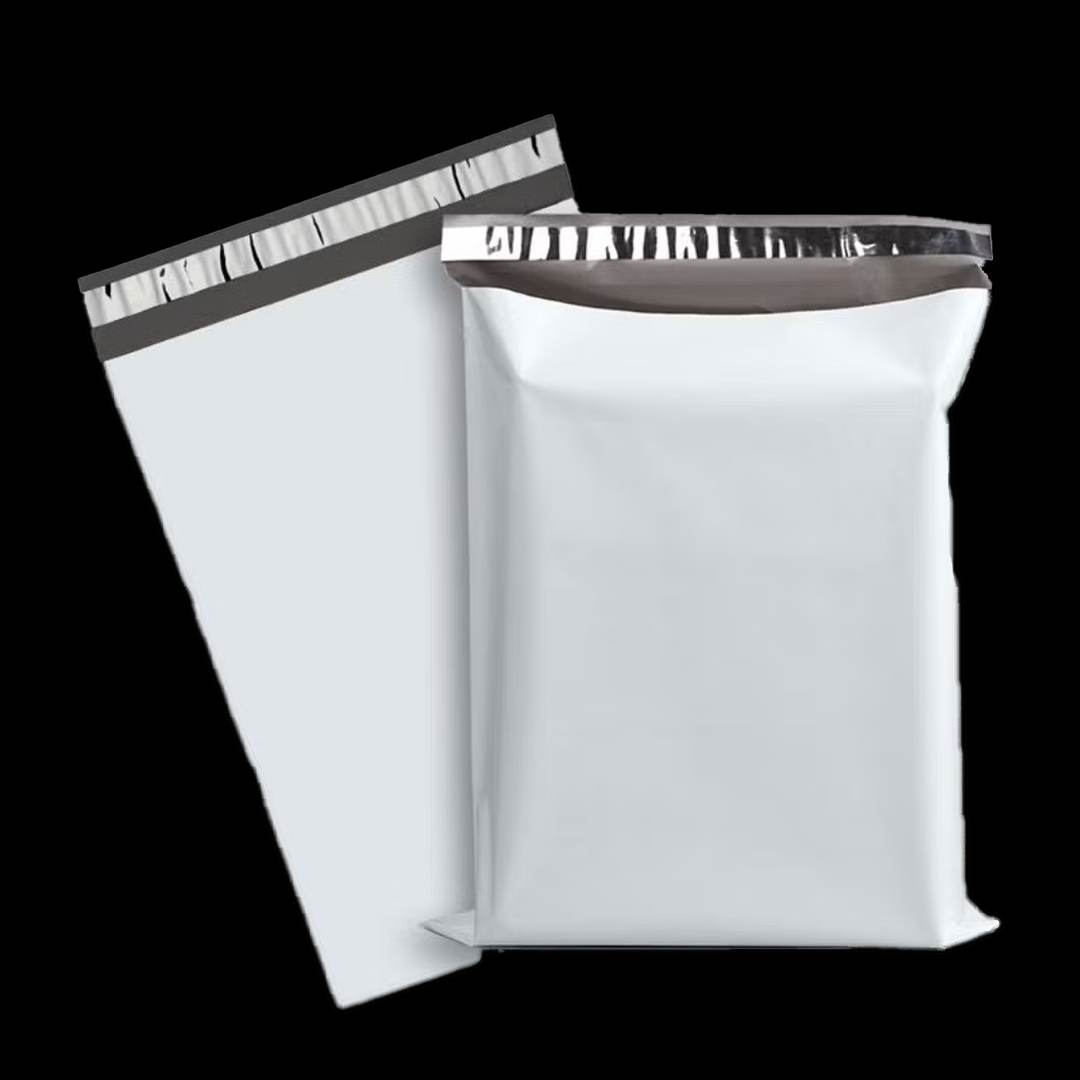
White Poly Mailers
The lowest-cost base for high-volume seasonal runs.
Read the detail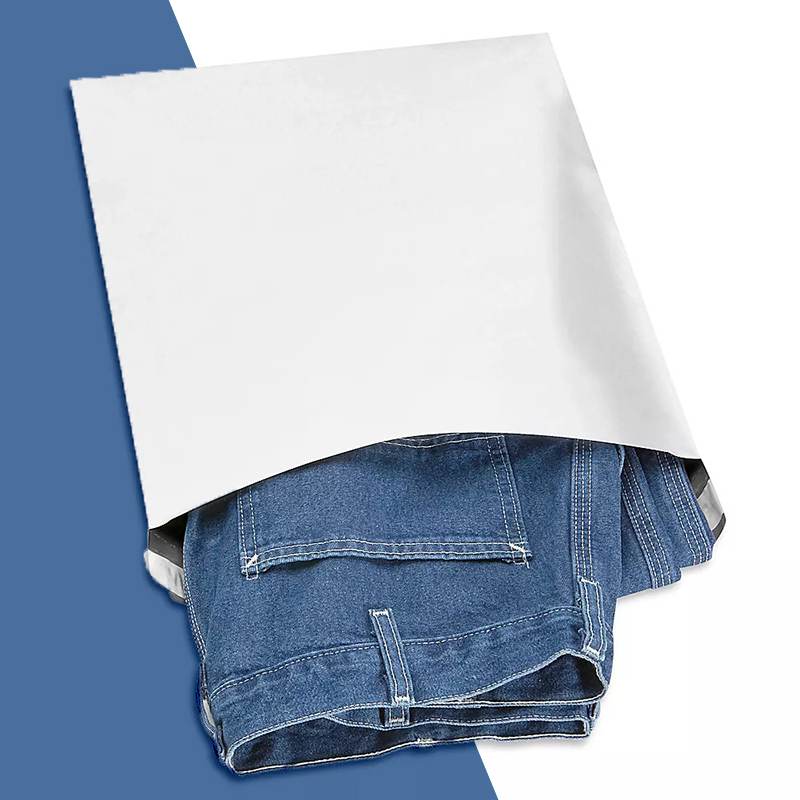
Self-Seal Poly Mailers
Humidity affects adhesive, so the closure specification deserves attention here.
Read the detailWhat humidity actually does
Two separate problems, often confused, with different answers.
To stored packaging
Humidity affects the tack of closure adhesive. Cartons stored in an uncontrolled space through a wet season seal less reliably than fresh stock.
To parcels in transit
A film outer resists rain and condensation; a paper-faced mailer absorbs both and passes them to the contents.
To paper contents
Anything printed, boxed or labelled inside a parcel is the part that shows moisture damage first, and it does not recover.
To adhesive labels
A label applied to a damp film surface lifts at the edges, which is a scanning problem as well as a cosmetic one.
The first is solved by storage discipline. The rest are solved by choosing a film outer rather than a paper one, which for this state is not really an optional decision.
Ordering against a season rather than a month
Where demand is seasonal, a flat monthly reorder either runs out or overstocks. This is the pattern that works.
Map your actual demand curve
Parcels shipped by month across a full year, not revenue. Packaging is consumed per parcel.
Identify the ramp, not the peak
Stock must be in place before volume climbs, which is earlier than the peak itself.
Order to the season plus a working buffer
Not to the year. Humidity and heat both argue against holding a long buffer here.
Keep a plain fallback size
So a shortfall in the branded line never stops orders leaving.
Review at the end of each season
What ran out, what did not move, what arrived damaged. Then reweight.
When contents genuinely must stay dry
A film mailer resists rain and splashing, which covers a parcel on a doorstep in a storm. It is not sealed, and water can enter at the closure, so it should not be treated as a barrier for anything that would be ruined by moisture. Where that is the requirement, the contents need their own protection inside the mailer rather than relying on the bag. The limits of what each construction actually does are set out in the protective construction reference.
Questions from Florida buyers
Are poly mailers waterproof enough for Florida weather?
The film resists rain and splashing well, which is what a parcel on a doorstep in a storm needs. It is not a sealed barrier and water can enter at the closure, so anything that would be ruined by moisture needs its own protection inside the bag.
Does humidity affect stored packaging?
It affects the closure adhesive rather than the film. Stock held through a humid season in an uncontrolled space seals less reliably, so store sealed and rotate, and test a bag from any carton that has been sitting.
How far ahead should seasonal stock be ordered?
Before your volume starts climbing rather than before your season starts, and to the season rather than the year. Holding a long buffer in this climate risks the very stock you were trying to protect against running out.
Specify for a humid climate
Tell us what you ship, how you store stock and when your season peaks. We will build a specification and an ordering rhythm around all three.