Serving customers in the United States
Poly Mailers for Seattle Businesses
Packaging is usually tested against a downpour, which a film mailer handles well. Seattle poses a different question: what happens over six hours of persistent light rain on an unsheltered doorstep, which is a much more common experience here.
The answer is different from the downpour answer, and it mostly concerns the label and the closure rather than the film.
Quote an order for Seattle
Tell us what you ship and where it goes. We confirm the specification, the schedule and the price in writing.
Who buys mailers here
Sectors where poly mailers are genuinely the right packaging, with the reason each one appears rather than a generic list.
Outdoor and technical apparel
A concentration of brands whose customers expect packaging to cope with the weather they design for.
Technology and accessories
Own-channel hardware brands where moisture reaching contents is a total loss.
Speciality food and coffee
Direct-selling producers shipping goods that are ruined rather than marked by damp.
What we would suggest
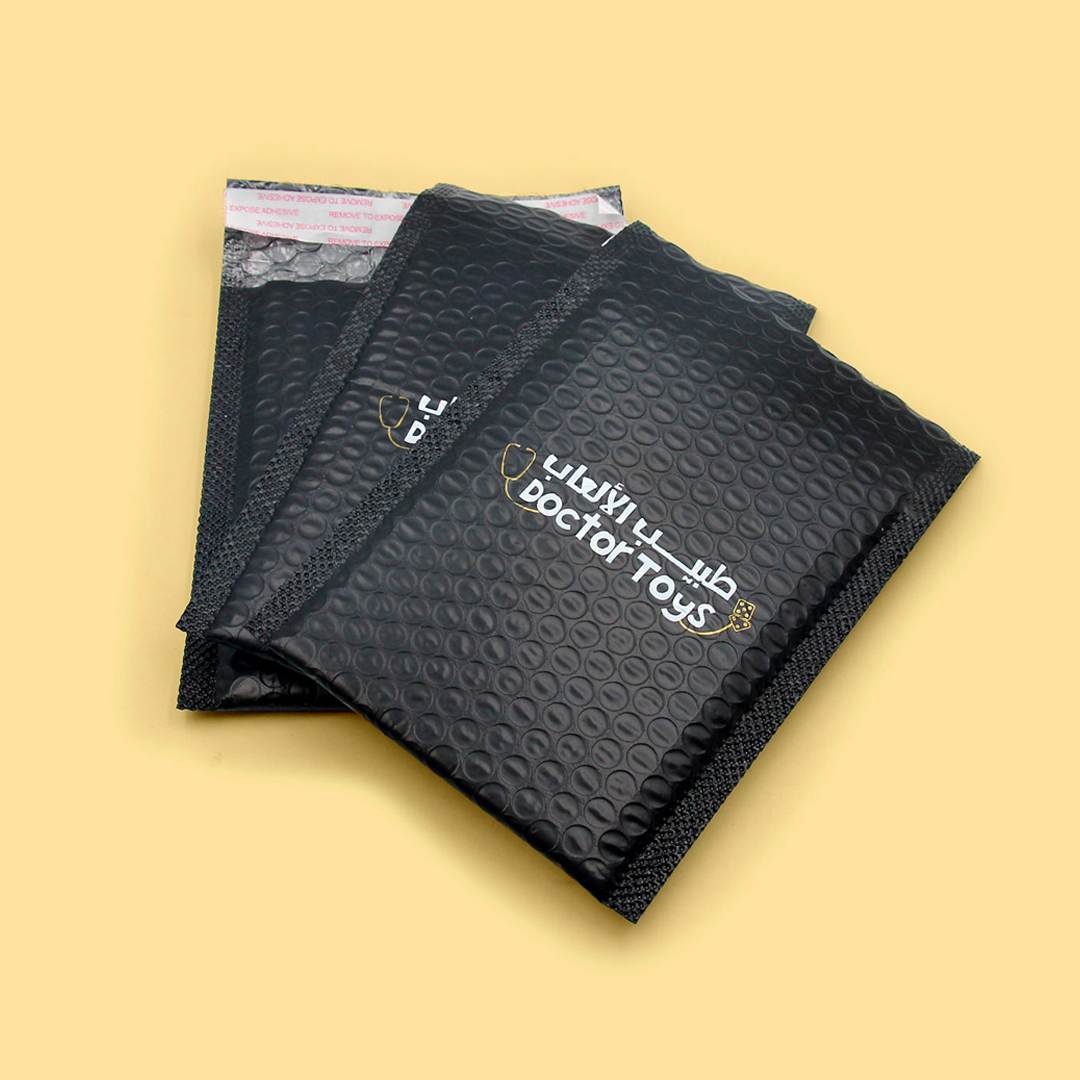
Poly Bubble Mailers
A film outer plus a lining that keeps contents away from the wettest surface.
Read the detail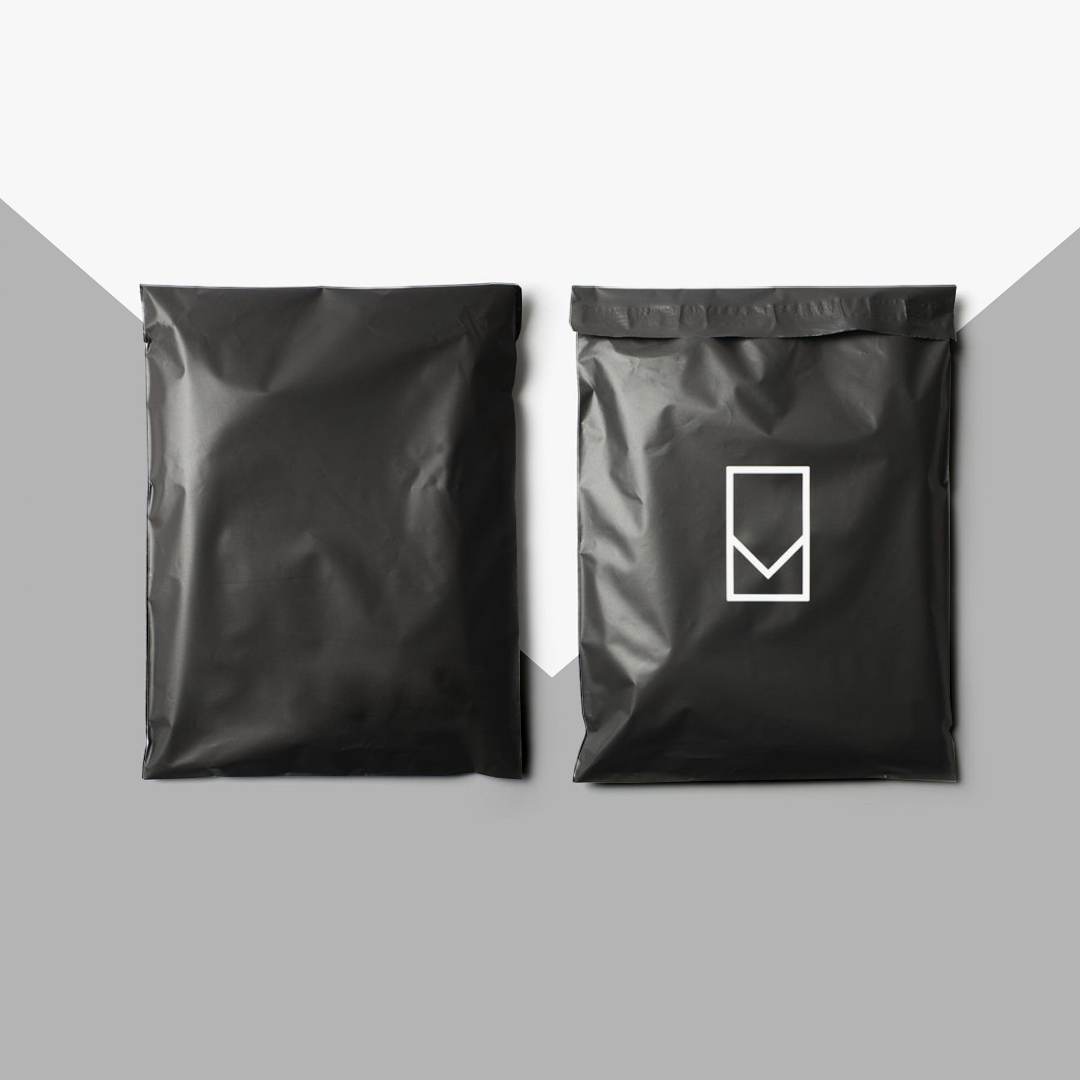
Black Poly Mailers
Water marks show less, and the film sheds rather than absorbs.
Read the detail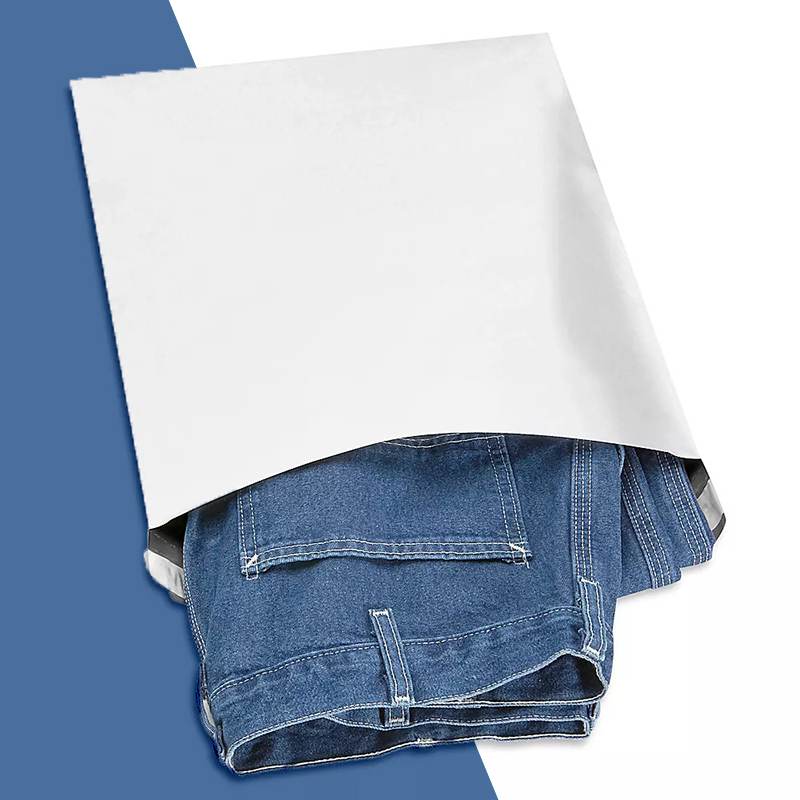
Self-Seal Poly Mailers
The closure is where prolonged exposure actually gets in.
Read the detail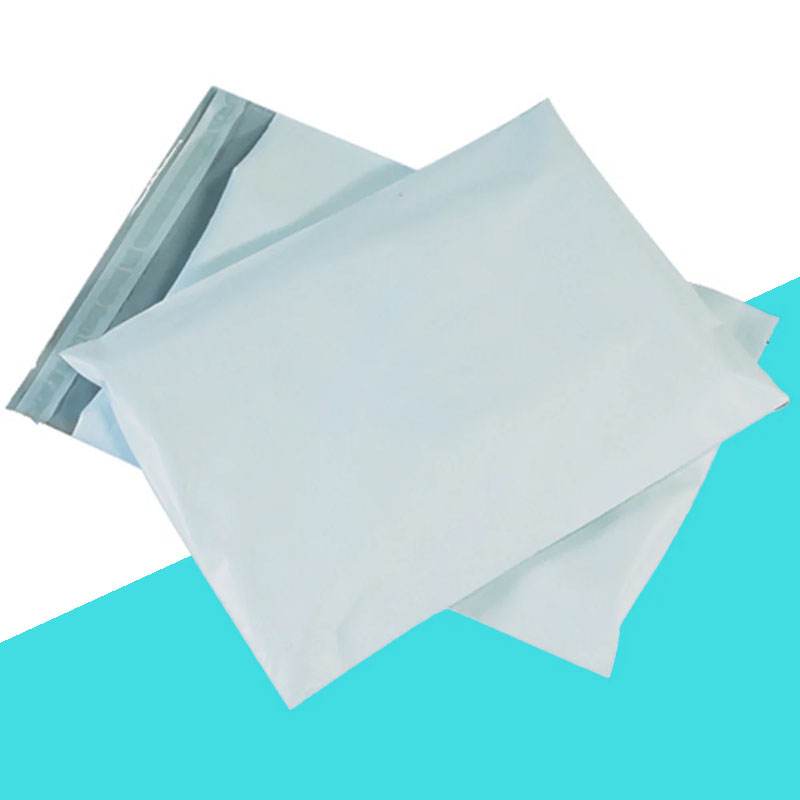
10x13 Poly Mailers
A close fit means less surface area for water to pool against.
Read the detailWhat "water resistant" means over six hours
The film is not the weak point. The closure is.
Polyethylene film does not absorb water at all, which is why a poly mailer handles a downpour better than any paper alternative. Sustained exposure does not change that.
What sustained exposure does change is everything around the film. Water pools in the fold at the closure and works along the seal. It gets under the edge of a label and lifts it. It sits in the slack of a loosely packed parcel and stays there.
So the answers are about the closure and the shape rather than the material: a fully pressed seal along its whole length, a parcel packed flat so there is nowhere for water to pool, and a label applied to a taut surface where the edges cannot lift.
Reducing prolonged exposure damage
Press the entire seal, especially the ends
Water works along a partial bond from the corners inward, given enough time.
Pack flat, with the slack squeezed out
A loose parcel has folds, and folds hold water against the closure.
Apply labels to a taut area
A lifted label edge is where water gets under, and a soaked label is a delivery exception as well as a mess.
Consider a lining for sensitive contents
A cushioned layer keeps the contents off the surface most likely to be damp.
What a film mailer cannot do
A poly mailer is water resistant, not waterproof. It is not sealed, and given long enough with water sitting against the closure, moisture can get in. For contents that would be ruined rather than marked — electronics, paper goods, anything absorbent — the contents need their own protection inside the bag rather than relying on it. The limits of each construction are set out honestly in the protective construction reference.
Questions from Seattle buyers
Are poly mailers waterproof in persistent rain?
The film is, entirely. The closure is not sealed, and over hours of exposure water can work along a partially bonded seal or under a lifted label. Pressing the full seal and packing flat address most of it.
How do I stop labels coming off in the rain?
Apply them to a flat, taut area of the parcel where the edges cannot lift. A label across a fold or over slack film lifts at the corner, and once water is under the edge it comes away quickly.
Do I need extra protection for moisture-sensitive contents?
For anything that would be ruined rather than marked, yes. A mailer is water resistant rather than waterproof, so contents that cannot tolerate any moisture need their own barrier inside the bag.
Specify for wet doorsteps
Tell us what you ship and how sensitive it is to moisture. We will specify for hours of exposure rather than for a passing shower.