Serving customers in the United States
Poly Mailers for Washington Businesses
Washington buyers ask harder questions about environmental claims than almost anywhere else we supply. Not vaguer questions — harder ones. What feedstock, what proportion, evidenced by what document, and does it hold on reorder.
That is a good conversation to be in, and it is the reason this page is not a list of green adjectives. It sets out what can genuinely be evidenced, what cannot, and where the real reductions are for a business that wants results rather than a symbol.
Quote an order for Washington
Tell us what you ship and where it goes. We confirm the specification, the schedule and the price by email.
Who buys mailers here
Sectors where poly mailers are genuinely the right packaging, with the reason each one appears rather than a generic list.
Outdoor and technical apparel
A category where customers examine environmental claims closely and brands are accustomed to substantiating them.
Technology and accessories
Own-channel hardware and accessory brands with corporate sustainability commitments.
Speciality food and beverage
Direct-selling producers with packaging that has to satisfy both protection and disposal expectations.
Independent retail
A strong small-business base where sustainability is often a stated brand position.
What we would suggest
Recycled Poly Mailers
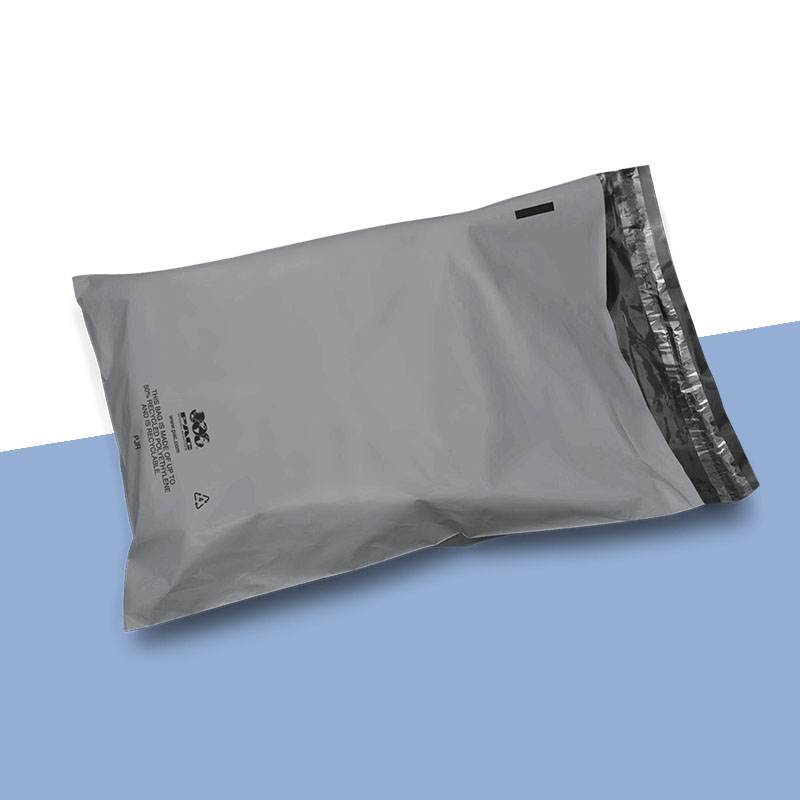
The route that can actually be evidenced with feedstock and proportion documentation.
Read the detail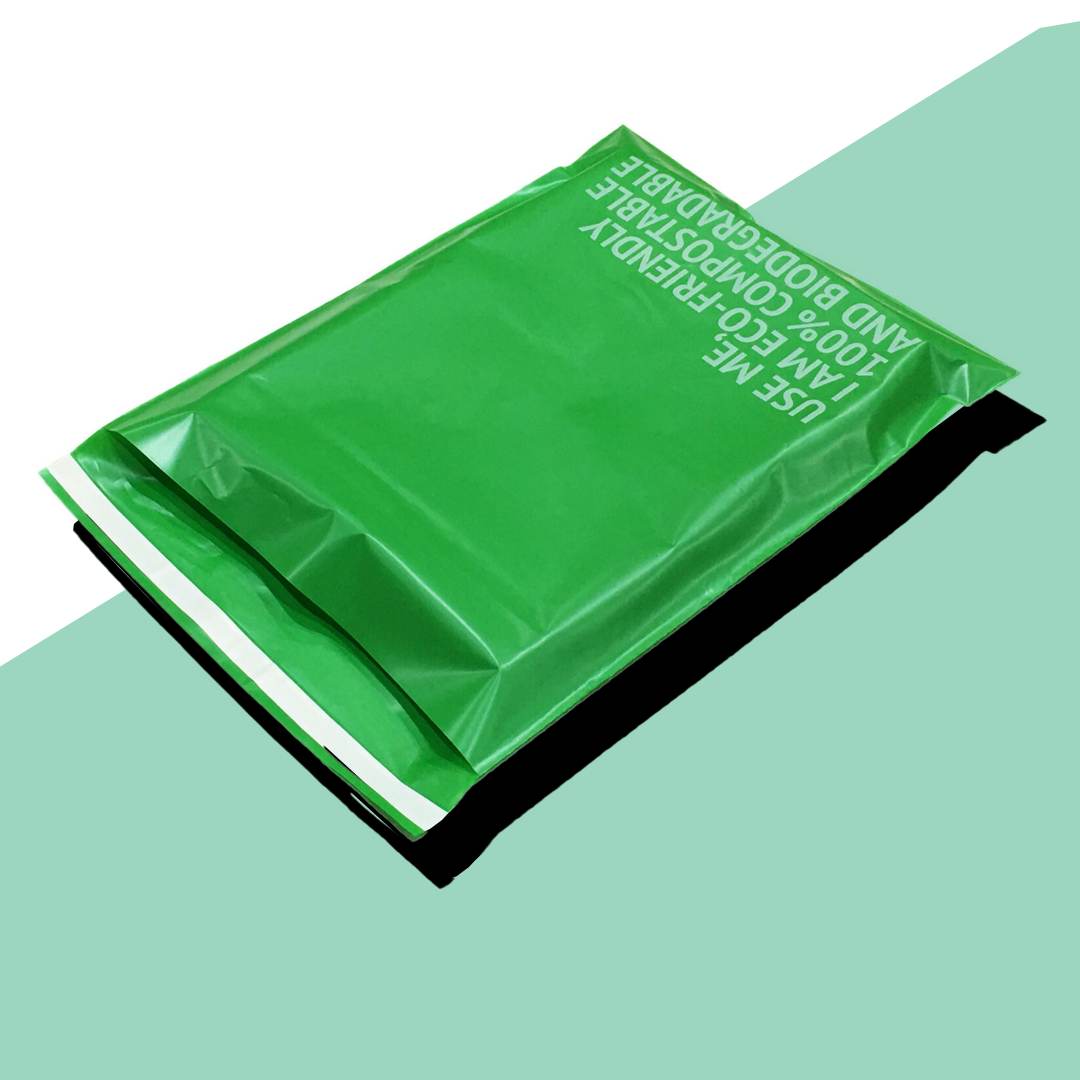
Compostable Poly Mailers
Where a disposal route genuinely exists for your customers.
Read the detail
10x13 Poly Mailers
Right-sizing is the largest measurable reduction available, and it starts with the size.
Read the detailThe conversation we will have with you
Five steps, and the fourth is the one most suppliers avoid.
You tell us what you need to be able to claim
To customers, to a retail partner, or in a corporate report. The claim determines the evidence needed.
We go to the supplier of the specific film
Not a general datasheet. The film that will be produced for your order.
We ask the four questions
Feedstock type, proportion, assessment method, and the document that supports it.
We tell you if the answer is nothing
Where no documentation exists, that is what you get told, before you order rather than after.
What is evidenced goes on the quotation
So what you were told and what you bought are the same thing.
Reductions you can evidence yourself
These need nobody else’s documentation, and they are measurable in your own data within a month.
Right-sizing
Less film per parcel and fewer parcels crossing into higher weight bands. The largest lever most operations have.
Removing components
Every insert, filler and second bag is material. Removing one from a parcel you ship thousands of times is a real reduction.
A resealable closure
A returns strip removes an entire second piece of packaging from every return.
Accurate disposal wording
An instruction that works where your customers live gets followed. A generic symbol usually does not.
On recyclability specifically
Flexible film is generally not accepted in household curbside collections in the markets we serve, and is instead collected at store drop-off points where those exist. Availability varies by area, and in some places it does not exist at all.
That makes a blanket recyclability claim on a mailer difficult to defend, however the film was made. The honest alternative is to say where it can be taken and to be specific about it, which is more useful to a customer than a symbol implying a collection they cannot reach.
It also means recycled content and recyclability are separate claims requiring separate evidence, and conflating them is the most common error we see in packaging copy.
What we will not publish
You will not find a recycled percentage, a certification mark or a decomposition timescale anywhere on this site. Not because the information is commercially sensitive, but because none was supplied to us with evidence behind it, and a figure we could not honor for your specific order would be worse than none. The full position, including what we do instead, is set out on the sustainability policy page.
Questions from Washington buyers
What recycled content can you actually evidence?
It depends on the film available for your order, which is why we do not publish a figure. We go to the supplier of that specific film, ask for the feedstock type, the proportion and the supporting document, and show you what comes back before you commit.
Are poly mailers recyclable in Washington?
Flexible film is generally not accepted curbside, and is instead collected at store drop-off points where those exist. Availability varies by area, so check what applies where your customers are before printing any disposal instruction.
What is the most defensible sustainability claim we can make?
One about your own operation — reduced material per parcel, fewer components, a resealable bag that removes a returns consumable. You can evidence those from your own data without depending on anyone else’s documentation.
What four questions do you ask film suppliers for Washington buyers?
We ask about feedstock type, proportion, assessment method and the document that supports it, for the specific film produced for your order rather than a general datasheet. Whatever is evidenced goes on the quotation, so what you were told matches what you bought.
Why are recycled content and recyclability separate claims for Washington brands?
Recycled content is about where the film came from, while recyclability depends on whether customers can actually return it. They need separate evidence, and conflating them is the most common error in packaging copy. Treat each claim on its own terms.
Which packaging reductions can Washington businesses measure themselves?
Right-sizing, removing inserts and second bags, adding a resealable closure that replaces a returns bag, and accurate disposal wording. None needs anyone else's documentation, and each can be measured in your own order data within a month.
How does right-sizing help Washington brands with sustainability reporting?
It uses less film per parcel and keeps more parcels out of higher weight bands, and it is the largest measurable lever most operations have. Start with the size, such as a well-fitted 10x13 for apparel, and track film used per order.
Where can Washington customers take poly mailers after use?
Flexible film is generally not accepted in household curbside collection and is instead collected at store drop-off points where those exist, with availability varying by area. Wording that tells customers where to take it is more useful than a generic symbol.
Can Washington buyers rely on the same evidence when reordering mailers?
Ask that the evidence holds on reorder, because film can change between runs. We go back to the supplier for the film produced for each order and put what is documented on the quotation, so each reorder is checked rather than assumed.
What should Washington brands tell you before ordering recycled mailers?
Tell us what you need to claim and to whom, whether customers, a retail partner or a corporate report, since the claim determines the evidence needed. Read the full position in the full sustainability policy and position.
Ask what can be evidenced
Tell us what you need to be able to say and we will find out what the available film supports — including when the answer is nothing.